
Reviewed · KUTNá HORA & BONE CHURCH TRIPS
From Prague: Kutna Hora UNESCO Site Tour with Bone Chapel
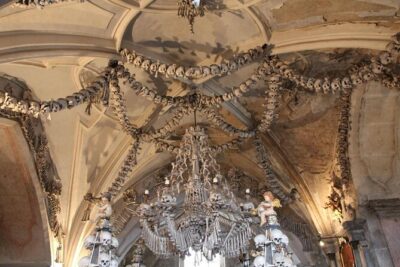
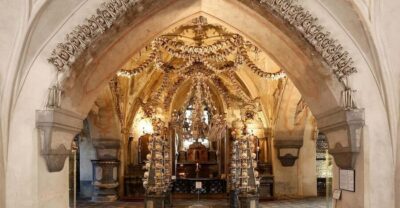
Kutná Hora’s Sedlec Ossuary is the attention grabber: a small chapel decorated with human bones, including skulls, bones, and a famous chandelier-like arrangement. But the real reward is the town beyond it, where Gothic churches, royal courts, medieval lanes, and silver-mining wealth tell a much bigger story. St. Barbara’s Church and the Ossuary are included, along with train tickets and an English-speaking guide.
I like the easy use of public transport, since the guide handles the Prague train, local connections, and timing between sites. I also like the historical range, from the Italian Court and Prague Groschen to the Hussite Wars and Kutná Hora’s former rivalry with Prague. The drawback is pace: six hours must cover several sights, train travel, and lunch, so you will not have long stretches for independent wandering.
In This Review
- Key points before you book
- Why Kutná Hora makes a good break from Prague
- Meeting at Prague Main Station
- The train ride from Prague to Kutná Hora
- Sedlec Ossuary and the Bone Chapel
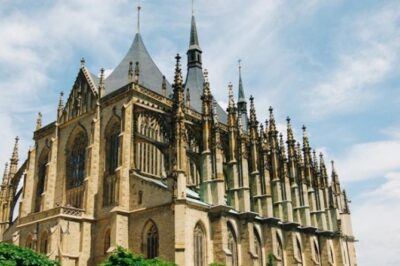
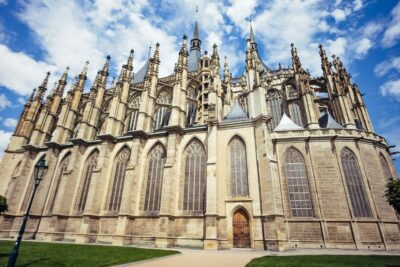
- St. Barbara’s Church and its Gothic details
- Sankturin House, the Italian Court, and the medieval center
- The guide makes or breaks this six-hour schedule
- Lunch, local food, and the cost of a timed stop
- Is $81 a fair price?
- Who should book this Kutná Hora day trip?
- Practical details to know before you go
- Should you book it?
- FAQ
- How long does the Kutná Hora tour last?
- Where does the tour meet in Prague?
- Is transport included?
- Are entrance tickets included?
- Can I take photographs inside the Bone Chapel?
- Is lunch included?
- Is the tour suitable for people with mobility impairments?
Key points before you book
- The Bone Chapel is only one part of the day: Sedlec Ossuary is striking, but Kutná Hora’s churches and medieval center give the excursion its depth.
- Train travel is part of the experience: You meet at Prague’s main station and travel by regional train, with local buses or trains used around Kutná Hora.
- Two major admissions are included: Entry covers Sedlec Ossuary and St. Barbara’s Church.
- The guide makes the transport practical: Guides including Brandon, Karel, Pavel, Oliver, Jan, and Gaby have been praised for clear organization and lively storytelling.
- Lunch is separate and time is limited: A group restaurant may be arranged, but food and drinks cost extra, and several people wished for a slower meal.
- This is an active sightseeing day: Expect walking, public transport, stairs or uneven surfaces, and a fairly full schedule.
Why Kutná Hora makes a good break from Prague
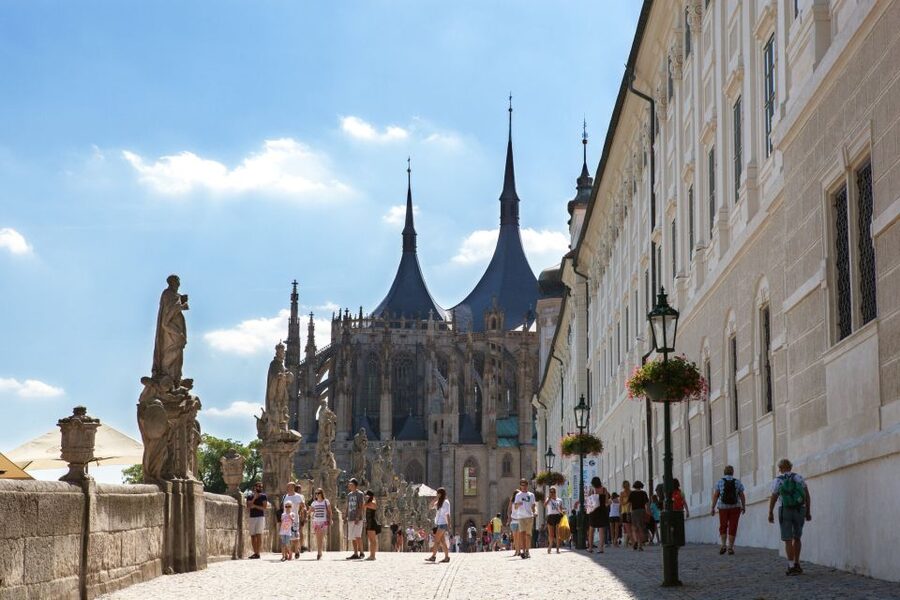
Prague can fill several days on its own, but Kutná Hora offers a useful change of scale. This was not always a quiet provincial town. Silver mining made it one of the economic centers of the Kingdom of Bohemia, and its wealth helped attract Bohemian kings who favored it as a residence.
The silver story gives the town a practical thread. You learn how local mines produced silver for the Prague Groschen, a coin that served as hard currency across Central Europe. That background helps explain why Kutná Hora could support grand churches, royal buildings, and ambitious Gothic design.
The town also played an important role in the Hussite Wars of the 15th century. Your guide connects the buildings to that conflict and to Kutná Hora’s period of political and cultural competition with Prague. That is much more satisfying than simply collecting church photographs.
More Kutna Hora and Bone Church trips:
- From Prague: Kutná Hora, St.Barbara’s Church, Sedlec Ossuary
★ 4.3 · 673 reviews - Day Trip to Kutná Hora by train from Prague
★ 4.5 · 587 reviews - Kutna Hora Day Trip from Prague
★ 4.0 · 570 reviews
Meeting at Prague Main Station
The meeting point is the Czech Railway Main Ticket Office on level minus 3 of Prague’s main train station. This is one detail to take seriously. The station is large, and you do not want to arrive at the last minute while searching underground levels.
Look for the guide near the railway ticket office, often identified by a red umbrella. That simple marker has helped people find the group quickly. Arrive with enough time to locate the correct level, especially if you are unfamiliar with Prague’s station layout.
The tour uses public transportation rather than a private coach. That means the day feels more like a guided Czech outing than a sealed sightseeing transfer. You also need to stay with the group and follow instructions closely when changing between trains and local buses.
The train ride from Prague to Kutná Hora
The train is a comfortable way to leave Prague behind. You get views along the route and a short look at ordinary Czech rail travel, rather than spending the whole transfer on a highway.
The guide takes care of the train tickets and helps the group keep its seats and timing organized. Recent winter conditions, snow, and railway works have occasionally made the transport plan more complicated, but the day has still been handled with care. Schedule changes are possible, so keep your attention on the guide at stations.
Once you reach Kutná Hora, additional local transport may be used to connect the separated parts of town. This matters because Sedlec Ossuary is not right beside every central sight. Without local transport, you could lose a good part of the day walking through less interesting stretches.
One useful feature is the guide’s willingness to use a local bus instead of making the group walk a dull section. Pavel received specific praise for saving time this way. The exact route can vary with conditions, but the general lesson is clear: the tour is designed to show you the important places, not test your stamina on unnecessary pavement.
Sedlec Ossuary and the Bone Chapel
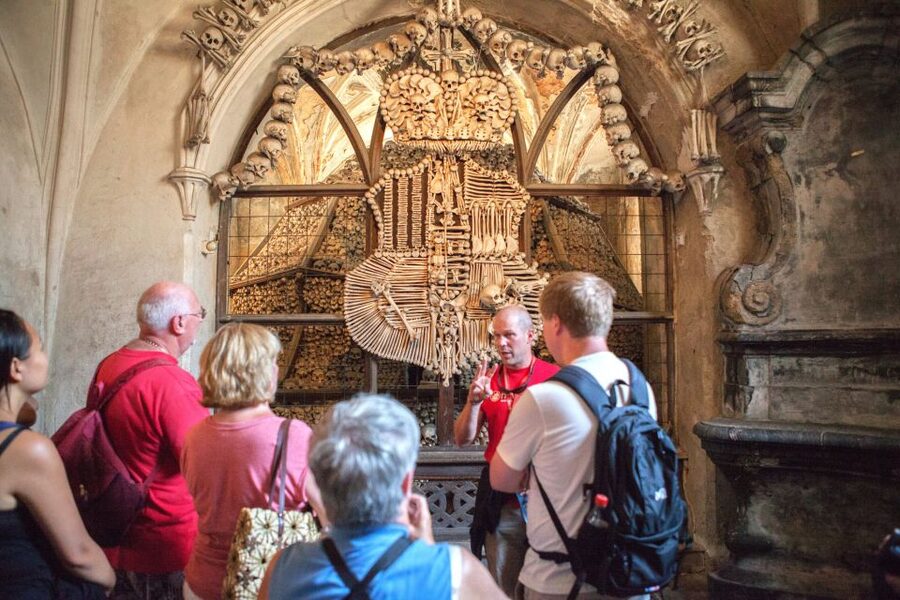
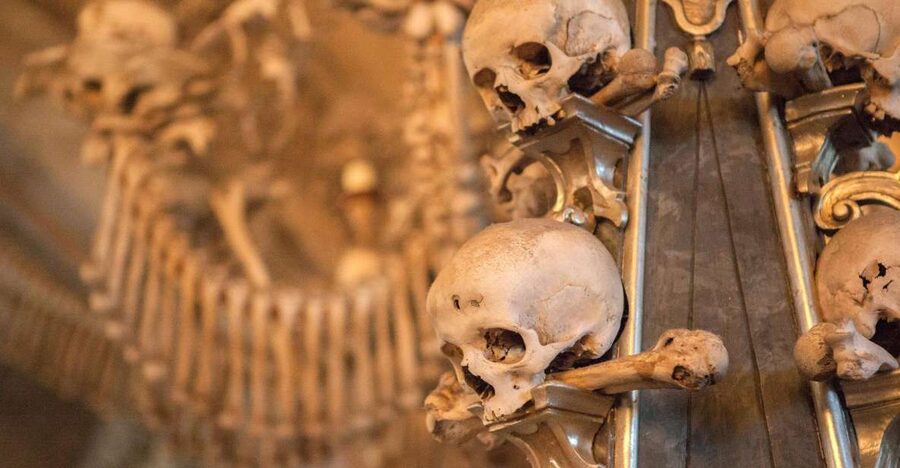
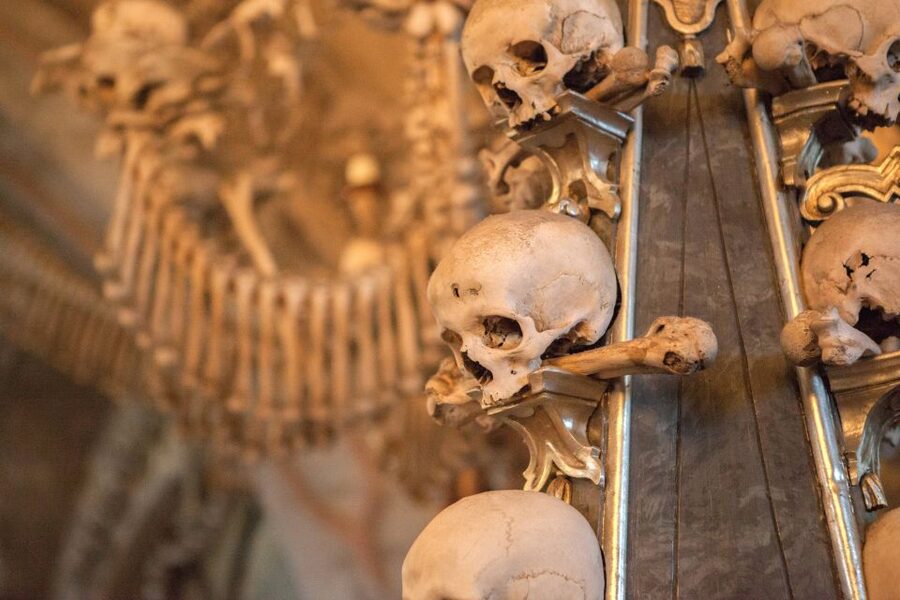
The Sedlec Ossuary is the day’s most unusual stop. Human bones form decorative arrangements inside the chapel, giving the room a solemn and macabre character. It is not a quick novelty stop if you pay attention to the context.
Your guide explains why the site exists and how the bones came to be arranged as decoration. That explanation matters, since the first impression can easily become a simple pile-of-skulls reaction. The chapel is small, and the visit is often fairly brief, but the visual impact is strong.
Photography is forbidden inside the Bone Church. Do not plan on taking a discreet phone picture. The restriction is clearly important, and the experience is better if you accept the chapel as a place to look carefully rather than a photo stop.
One fair criticism is that the time here can feel short. Ronie specifically wanted more time around the Bone Chapel, and that is understandable. The itinerary has to fit the train, local connections, central Kutná Hora, St. Barbara’s Church, and lunch into six hours.
If the Ossuary is your main reason for booking, you may wish the visit lasted longer. If you see it as the opening chapter of a wider town tour, the limited time makes more sense.
Same city, a completely different afternoon:
- Prague: 50-Minute Sightseeing Evening Cruise
★ 4.2 · 33,780 reviews - Prague: Medieval Dinner with Unlimited Drinks
★ 4.4 · 19,847 reviews - Prague: Skip-the-line Castle Ticket and Optional AudioGuide
★ 4.3 · 11,121 reviews - Prague: Castle Tour with Local Guide and Entry Ticket
★ 4.6 · 10,422 reviews
St. Barbara’s Church and its Gothic details
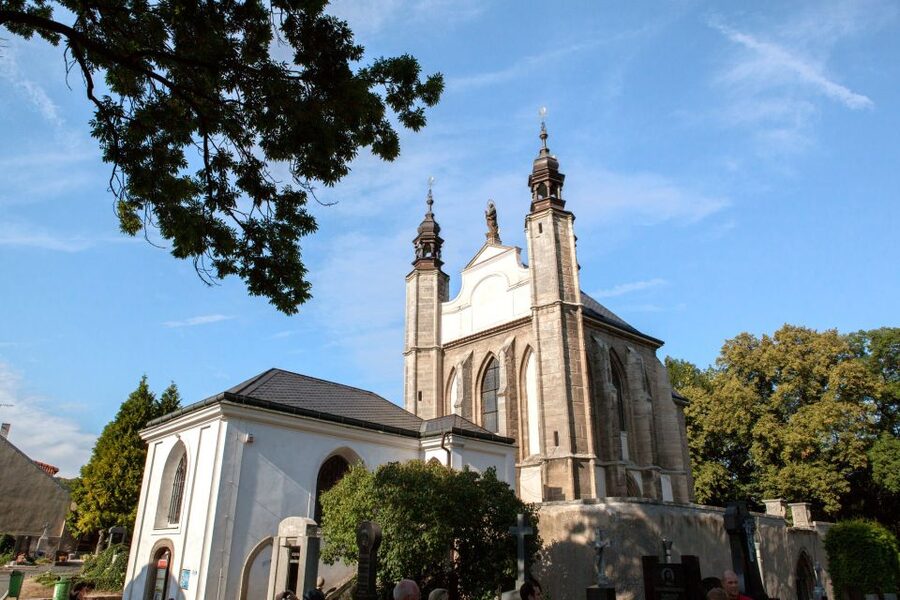
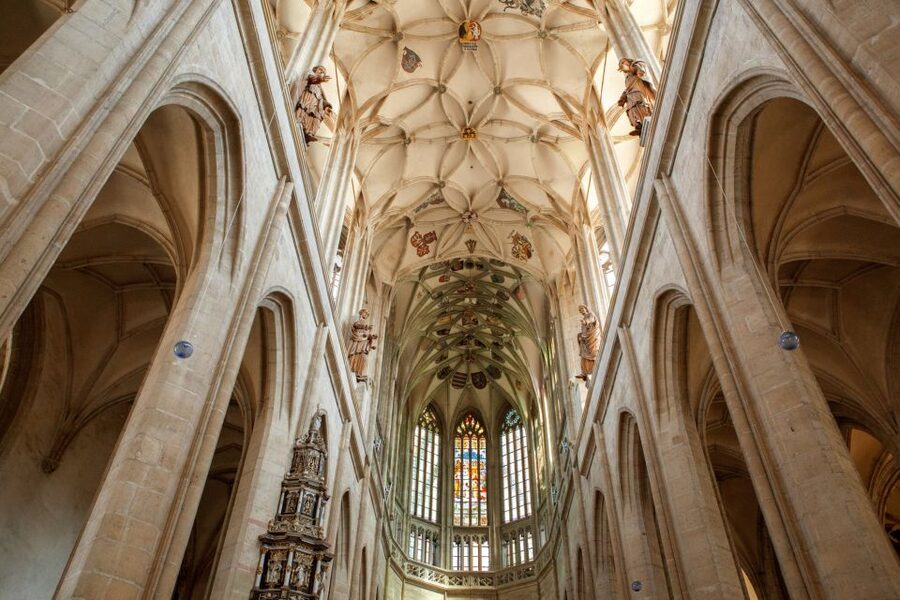
St. Barbara’s Church is the architectural counterweight to the Ossuary. Where Sedlec is intimate and unsettling, St. Barbara’s is grand, vertical, and full of the visual confidence that silver wealth could buy.
Inside, look for the Gothic structure and stained-glass windows. One useful detail from the day is that the church is not treated as a quick exterior photo. Entry is included, and the guide explains why it mattered to a town whose miners and rulers had money, power, and a strong desire to display both.
The church is also a good place to understand Kutná Hora’s rivalry with Prague. A town does not build on this scale by accident. The architecture shows how important Kutná Hora once was, even though its modern size may surprise you.
You get some independent time at the main sights, but do not expect an hour to study every chapel or window. The guide’s commentary helps you focus on the details that tell the larger story. After that, you can use your free moments for photographs and a closer look.
Sankturin House, the Italian Court, and the medieval center
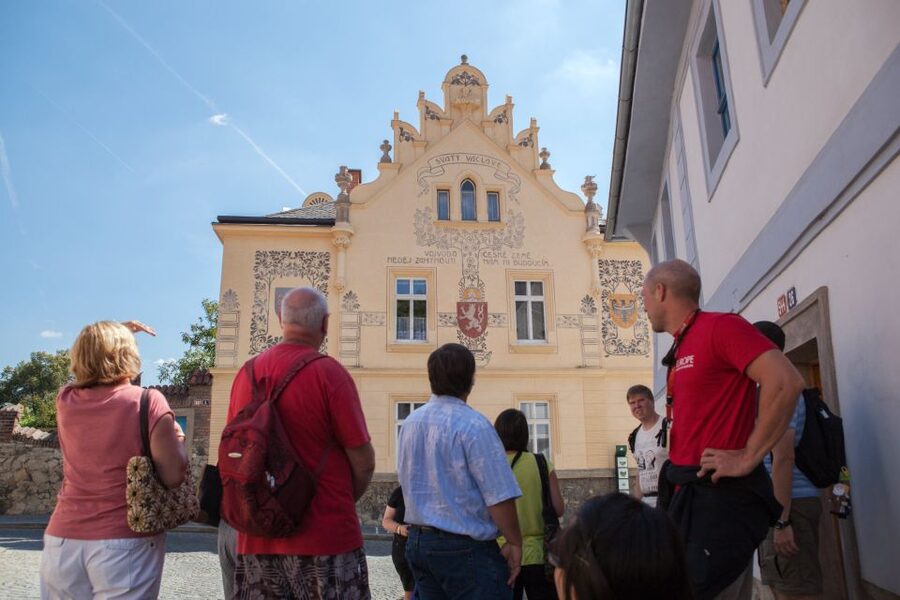
The walking portion brings together several buildings that can seem disconnected without a guide. Sankturin House, described here as Bohemia’s oldest Cistercian Monastery, adds an early religious chapter to the town’s story.
The Italian Court shows the royal and financial side of Kutná Hora. Its name points to the international nature of the town’s coin production and administration. This is where the silver-mining story becomes concrete: mines generated wealth, and the Italian Court helped turn that wealth into royal finance.
Medieval Ruthardka Street gives you a smaller-scale view. Rather than another vast monument, it offers an atmospheric lane through the old town. Take a moment to notice the street pattern and the relationship between the buildings. Kutná Hora is most enjoyable when you alternate between major sights and these quieter links.
The Stone House and Sankturin House help fill in the town’s civic story. The Plague Column adds a later reminder of disease and public memory. Together, these stops keep the tour from becoming a two-church excursion.
This part of the itinerary is also where walking can be tiring. The tour is not suitable for people with mobility impairments, and the schedule involves moving between transport stops and historic buildings. Wear comfortable shoes and expect the group to keep moving.
The guide makes or breaks this six-hour schedule
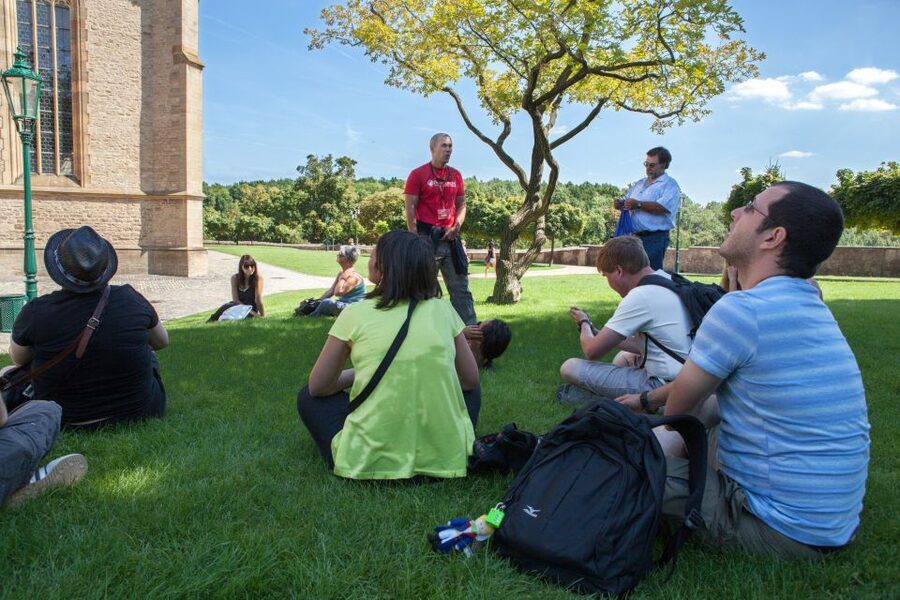
The strongest part of the experience is the guide’s ability to keep history and logistics moving at the same time. Names that appear repeatedly in the tour’s recent feedback include Brandon, Karel, Pavel, Oliver, Jan, Gaby, Gabriella, Libor, Charles, and Andrea.
Brandon is described as funny, attentive, and good at giving people one-on-one time. Karel is praised for clear historical explanations and a personable manner. Oliver is noted for enthusiasm, humor, and smooth organization, while Pavel is singled out for fluent English and smart use of local buses.
Those details matter because this is not a simple walk from one landmark to the next. The guide must manage the main train, local transport, entry times, group pace, and meal arrangements. Jan has been particularly appreciated for keeping groups together and answering questions without losing the schedule.
Group size can vary. One off-season group had only five people, which made the Ossuary and cathedral feel especially calm. Larger groups are also possible, and Gabriella was praised for handling a big one. If you prefer a private, slow-moving visit, this is not that type of tour. If you want someone else to manage the complicated parts, it is a strong format.
Lunch, local food, and the cost of a timed stop
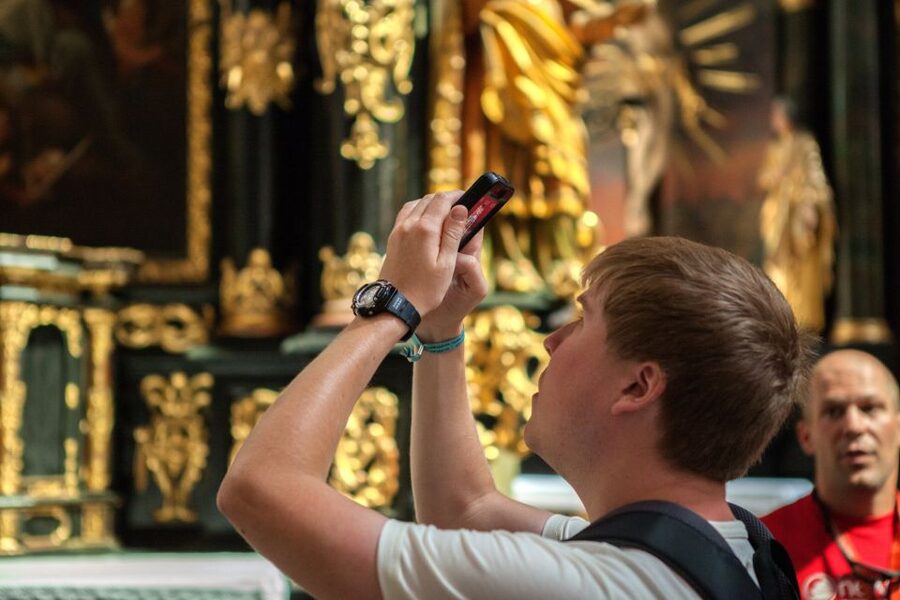
Food and drinks are not included in the $81 price, so budget for lunch separately. The guide may recommend or arrange a traditional Czech restaurant, and several guides have pre-ordered meals so the food is ready when the group arrives.
That arrangement saves time. You can eat a proper meal instead of searching for a restaurant during a tight break. Several people found the food excellent, reasonably priced, and authentically Czech. Dačický was mentioned as a good-value option, with generous portions and local beer.
The tradeoff is time. Multiple people wanted another 20 minutes to eat more slowly and enjoy the restaurant. You may also find fewer open restaurants in winter or on public holidays. If you have dietary needs or strong preferences, ask the guide about the plan early, or choose to arrange your own lunch when possible.
The optional meal is useful, but it should not be confused with an included part of the tour. Bring a little flexibility for food and drinks, and do not assume you will have a long, leisurely restaurant break.
Is $81 a fair price?
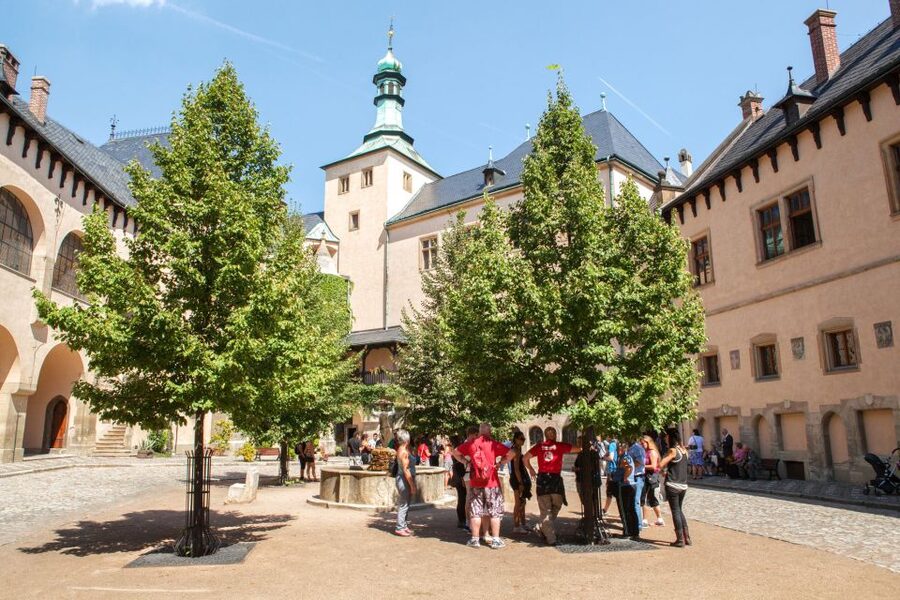
At $81 per person, the value depends on how much help you want. The cost includes an English-speaking guide, train tickets from Prague, local transport support, and admission to both St. Barbara’s Church and Sedlec Ossuary.
You could visit Kutná Hora independently for less, especially if you are comfortable working out train times, local connections, entrance tickets, and the route between Sedlec and the historic center. But independent planning takes time, and the sights are spread out enough that transport choices matter.
I see the price as reasonable for a first visit, especially if your Prague stay is short. You are paying for coordination as much as admission. The guide also supplies the historical connections that make the buildings worth seeing, rather than leaving you to decode the town one facade at a time.
The value is weaker if you want long periods alone, a private guide, or a flexible lunch. Six hours is efficient, not leisurely. The high overall rating of 4.6 from 1,917 ratings reflects a strong package, but you should still match the pace to your own style.
Who should book this Kutná Hora day trip?
I would choose this tour if you have already seen Prague’s main center and want a substantial half-day outside the city. It suits first-time visitors who want the Bone Chapel but also care about Gothic architecture, royal history, silver mining, and the Hussite Wars.
Families can manage it too. One guide-led group included children aged five and seven who enjoyed the day. Still, young children must handle trains, local transport, walking, and a chapel decorated with human remains.
This is a good choice for visitors who dislike transport puzzles. It is also helpful in winter, when snow, railway works, or closed restaurants can make independent plans less predictable. Guides have adjusted routes and kept groups moving during difficult conditions.
I would hesitate if you have mobility limitations, strongly dislike group schedules, or want to photograph the Ossuary interior. The Bone Chapel does not permit photography, and the full itinerary leaves limited time to linger.
Practical details to know before you go
The activity lasts six hours and runs in English. Starting times vary, so check availability when booking. You meet at the Czech Railway Main Ticket Office on level minus 3 of Prague’s main train station.
The package includes the guide, train tickets, and admission to St. Barbara’s Church and Sedlec Ossuary. Food and drinks are extra.
The tour allows cancellation up to 24 hours before departure for a full refund, and you can reserve now and pay later. The experience is not suitable for people with mobility impairments.
Bring comfortable shoes, a phone for communication if the group uses a messaging chat, and enough money for lunch. In winter, warm clothing is essential, since the day includes outdoor walking and waiting around transport connections.
Should you book it?
Book this tour if you want Kutná Hora explained, not merely photographed. The Bone Chapel is memorable, but the silver mines, Italian Court, St. Barbara’s Church, medieval lanes, and Hussite-era stories are what turn the visit into a worthwhile day.
The best reason to book is practical: a good guide removes the stress of trains, buses, tickets, and timing. Guides such as Brandon, Karel, Pavel, Oliver, and Jan have made that complicated chain feel manageable while keeping the history lively.
Skip it if you want a slow, private day or if the Ossuary alone is your goal. For most people with one spare day in Prague, though, this is a well-priced way to see a very different side of Bohemia.
FAQ
How long does the Kutná Hora tour last?
The tour lasts six hours, including transport from Prague, local connections, sightseeing, and the return journey.
Where does the tour meet in Prague?
You meet at the Czech Railway Main Ticket Office, located on level minus 3 of Prague’s main train station. Look for the guide near the ticket office, often marked by a red umbrella.
Is transport included?
Yes. Train tickets are included, and the guide assists with local buses or trains used around Kutná Hora.
Are entrance tickets included?
Yes. Admission to Sedlec Ossuary and St. Barbara’s Church is included in the price.
Can I take photographs inside the Bone Chapel?
No. Photography is forbidden inside the Bone Church at Sedlec Ossuary.
Is lunch included?
No. Food and drinks are not included. A guide may recommend or arrange a Czech restaurant, but you pay for your own meal.
Is the tour suitable for people with mobility impairments?
No. The tour is not suitable for people with mobility impairments.
Just added around Prague
- Prague Highlights 4 Hour Private Walking Tour★ 5.0 · 3 reviews
- VIP Prague Segway Tour Around Monastic Breweries★ 4.0 · 3 reviews
- Private Guided Tour from Prague to UNESCO Kutna Hora★ 5.0 · 3 reviews
- From Prague Day Unique Tour To Cesky Krumlov★ 4.5 · 3 reviews
- Cesky Krumlov: Insta-Perfect Walk with a Local★ 5.0 · 3 reviews
- Prague: WWII Tour with Local Historian SMALL GROUP★ 5.0 · 3 reviews
- Learn Traditional Czech Cooking from Authentic Family Recipes★ 5.0 · 3 reviews
- Prague Tour in Spanish★ 5.0 · 3 reviews
Kutná Hora & Bone Church Trips, compared.
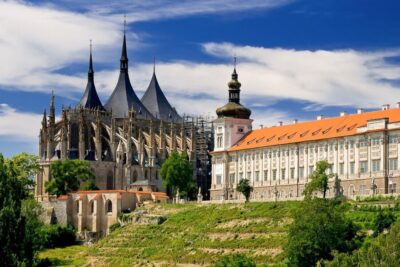
Kutná Hora, St.Barbara’s Church, Sedlec Ossuary
Read our review →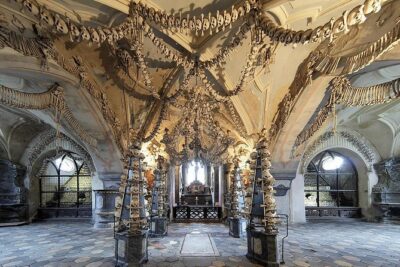
Kutna Hora Day Tour Including Sedlec Ossuary from Prague
Read our review →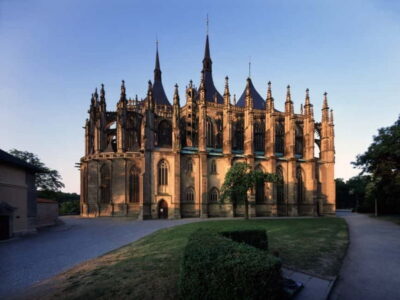
Sedlec Ossuary Skip-the-Line Ticket & Audioguide
Read our review →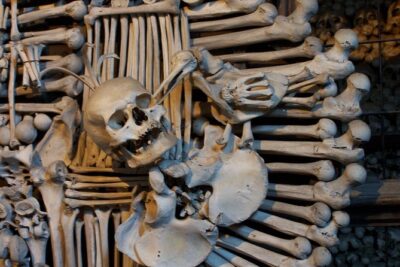
Half Day Trip to Kutna Hora and Bone Church from Prague
Read our review →Browse the lists this tour appears in