
Reviewed · MUSEUMS
Museum Story of Prague
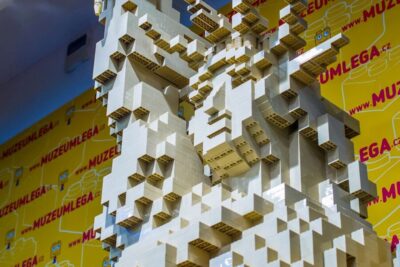
Prague’s story comes alive through film, audio, and mixed reality at the Story of Prague Museum. Instead of moving through a long line of dusty cases, you follow the city from medieval kings and Hussite fighters to the Velvet Revolution, with the Golem watching over the dimly lit halls.
I like the clear timeline and the mix of real history with theatrical displays. I also like that the museum covers difficult subjects, including Nazi occupation, the bombing of Prague, and Soviet rule, rather than stopping with castles and clocks.
The main drawback is the heavy use of QR codes. They add extra material, but scanning them again and again can interrupt your progress. At $19.27 per person, the museum offers fair value if you enjoy interactive history and have about 90 minutes to spare.
In This Review
- Key points to know before you go
- Entering Prague’s story through sights and sound
- The medieval floors, from kings to the Astronomical Clock
- Meeting the Golem in the dim halls
- The second floor faces Prague’s hardest decades
- The third floor reaches the Velvet Revolution
- Film, audio, mixed reality, and QR codes
- The hidden room and exhibits you cannot preview
- Is $19.27 a fair price for 90 minutes?
- Who will enjoy this museum most?
- Should you book the Story of Prague Museum?
- FAQ
- Where is the Story of Prague Museum?
- How long does the museum experience take?
- What time does the experience start?
- Is admission included?
- What periods of Prague’s history are covered?
- Does the museum use interactive technology?
- Can I cancel for a full refund?
Key points to know before you go
- A three-floor timeline: Move from medieval Prague through Nazi and Soviet rule to the Velvet Revolution and Czech achievements.
- The Golem is a visual highlight: A towering figure appears in the dim halls, tying Prague’s history to its old legends.
- Interactive displays replace dry cases: Film installations, audio elements, mixed reality, and QR codes keep the visit active.
- Serious 20th-century history is included: The museum covers occupation, wartime bombing, and Soviet control.
- A hidden room adds a small surprise: Some exhibits are not shown in advance, so part of the visit rewards curiosity.
- Plan about 90 minutes: The start time is 10:00 am, and admission is included with the mobile ticket.
Entering Prague’s story through sights and sound
The Story of Prague Museum is built around a simple idea: explain the city’s past by putting you near its key moments. The route moves through several eras, so you get a broad account of Prague rather than a narrow look at one building, ruler, or art collection.
That approach works well if you are new to Czech history. You do not need a detailed timeline in your head before arriving. The displays guide you from one period to the next, and the use of sound and moving images gives the visit a stronger sense of place than labels alone.
The museum aims to make you feel involved without turning the experience into a practical show. The section on medieval torture, for example, does not include demonstrations. You get the subject as part of the historical story, but the museum keeps the focus on interpretation rather than spectacle.
The atmosphere also matters. The halls are dimly lit, which suits the legends and darker chapters of Prague’s past. It may not be the best setting if you want a bright, quiet museum with long written panels, but it helps the Golem and the medieval material make an impression.
More museums and galleries in Prague:
- Prague: Museum of Fantastic Illusions Entry Ticket
★ 4.3 · 4,337 reviews - IAM Illusion Art Museum Entry Ticket
★ 4.2 · 1,664 reviews - Prague: Museum of Senses Admission Ticket
★ 4.0 · 1,445 reviews
The medieval floors, from kings to the Astronomical Clock
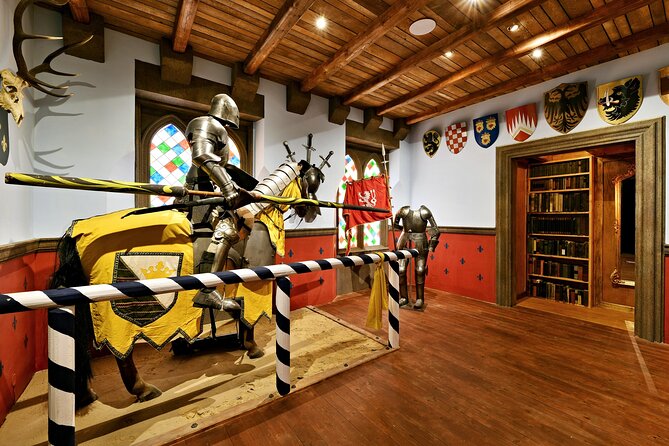
The early part of the route looks at the era of knights and kings, then turns to Jan Žižka and the Hussites. These subjects introduce Prague as a city shaped by religious conflict, military struggle, and powerful rulers.
Jan Žižka is an especially important figure in the Czech story. The museum places him within its wider account of the Hussites, giving you a starting point for understanding why medieval Prague was not simply a pretty city of churches and stone lanes.
You also learn about the construction of the Old Town Hall and the Astronomical Clock. This is a useful connection because many people see the clock in the Old Town Square without knowing how it fits into Prague’s development. Here, the building and clock become part of a larger account of the city rather than isolated sights.
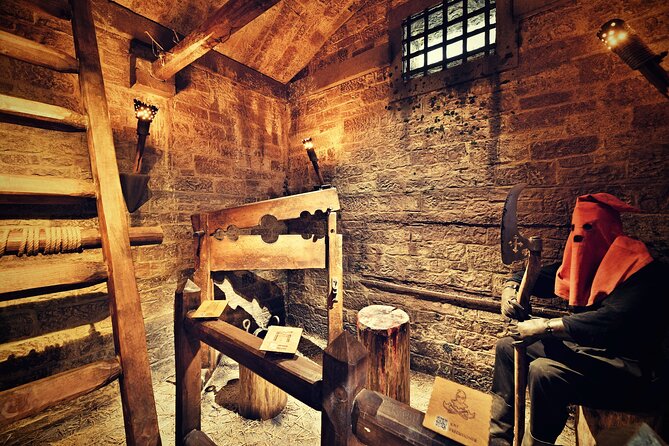
The medieval section includes torture as a historical topic. The lack of practical demonstrations is worth noting. You can expect a serious presentation of a harsh period, not a staged torture attraction.
At this point, the museum’s interactive format may appeal most to families and to anyone who prefers visual storytelling. You are not only reading about the past. Film and audio elements help provide mood and context, while the displays give you reasons to pause and look closer.
Meeting the Golem in the dim halls
The towering Golem is one of the museum’s most memorable images. In Prague folklore, the Golem belongs to the city’s world of old mysticism and legend. Placing such a large figure in the darkened museum gives the story a physical presence.
The Golem is useful even if you already know the tale. It reminds you that Prague’s identity is built from more than political events and architectural milestones. Folklore, fear, faith, and imagination all form part of the city’s story.
This is also where the museum’s theatrical style makes sense. A conventional display case might explain the legend, but a large figure in a dark hall creates a stronger emotional response. You might find the presentation atmospheric, or you might prefer more distance between legend and historical fact.
That distinction is important. The museum blends authentic stories with mixed reality, so this is not a purely academic history collection. It is designed to help you feel the atmosphere around major events and tales. If you like a traditional museum with quiet galleries and a strict line between documented fact and folklore, some sections may feel too dramatic.
The second floor faces Prague’s hardest decades
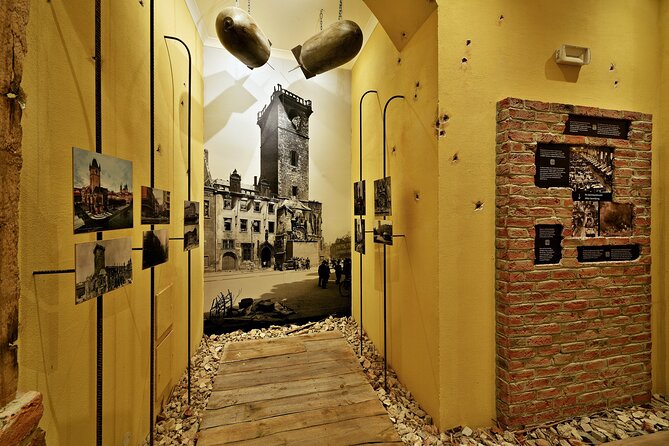
The second floor changes tone. It covers the Nazi occupation, the bombing of Prague, and the Soviet occupation. These subjects give the museum weight and prevent the visit from becoming a simple parade of medieval legends and famous buildings.
The Nazi occupation and wartime bombing show how quickly a city’s daily life can be altered by forces beyond its control. The Soviet occupation then adds another layer, helping you see that Prague’s modern story did not end with the Second World War.
I appreciate this balance because Prague’s beauty can sometimes hide the pressures that shaped its recent past. A visit built only around the Old Town Hall, the Astronomical Clock, and folklore would leave out too much. Here, the timeline asks you to consider fear, political control, and damage as part of the city’s experience.
The subject matter may be heavy for younger children, even though the museum is designed for broad participation. The available information does not describe graphic content, so you should expect historical treatment rather than assume a shock attraction. Still, parents may want to decide in advance how much explanation their children need.
This floor is also where the museum’s audio and film installations can help. Difficult history often needs more than a date and a label. Sound and moving images can make the human effect clearer, though the experience may be less suitable if you want to read every item slowly in silence.
Same city, a completely different afternoon:
- Prague: 50-Minute Sightseeing Evening Cruise
★ 4.2 · 33,780 reviews - Prague: Medieval Dinner with Unlimited Drinks
★ 4.4 · 19,847 reviews - Prague: Skip-the-line Castle Ticket and Optional AudioGuide
★ 4.3 · 11,121 reviews - Prague: Castle Tour with Local Guide and Entry Ticket
★ 4.6 · 10,422 reviews
The third floor reaches the Velvet Revolution
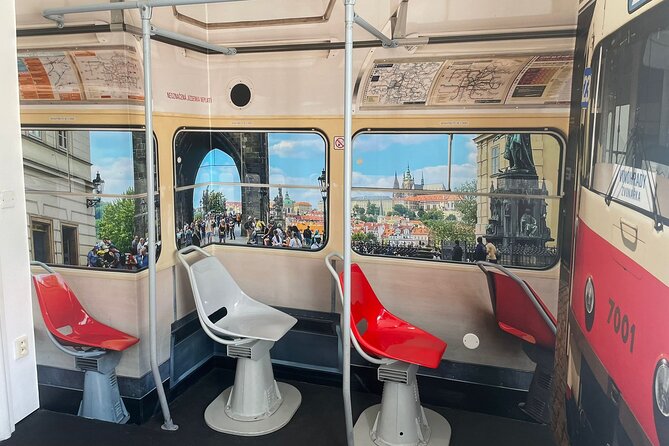
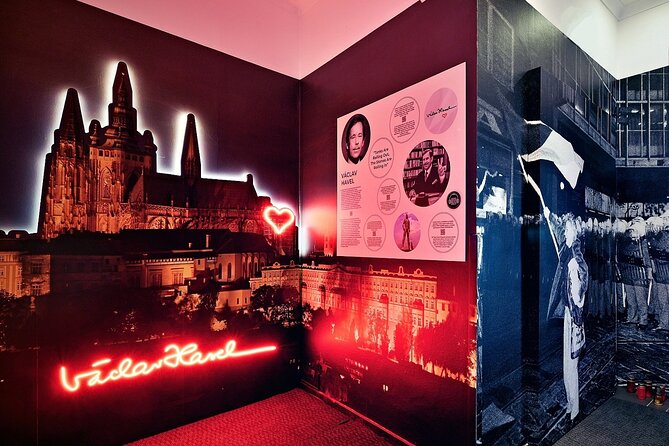
The third floor brings the story into the period of the Velvet Revolution and Czech achievements around the world. This gives the route a clear ending and shows Prague as a living capital, not a city frozen in medieval history.
The Velvet Revolution is central to understanding modern Czech identity. Including it means the museum connects old Prague with the political changes that shaped the country in the late 20th century. The final section also turns outward, celebrating Czech contributions beyond the city itself.
This part should appeal if you want a visit that reaches the present rather than ending with occupation or Soviet rule. The museum’s timeline gives you a sense of movement: power changes, public life changes, and the city keeps rebuilding its identity.
Because the visit lasts about 90 minutes, the museum can introduce these subjects without asking you to spend half a day on one period. You will not receive a full university course on the Velvet Revolution or Czech global achievements, but you will get a readable final chapter in the museum’s larger story.
Film, audio, mixed reality, and QR codes
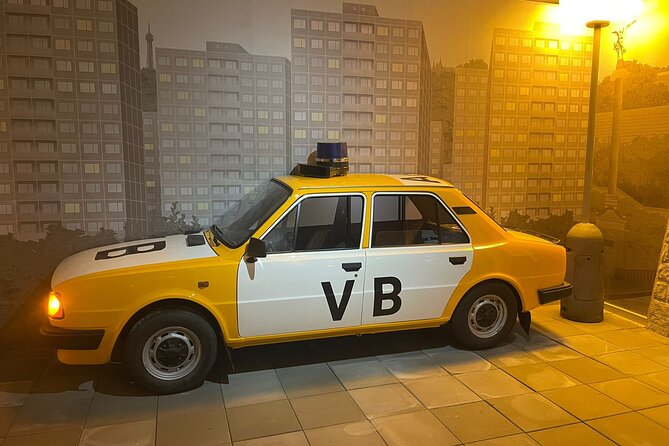
The Story of Prague Museum’s biggest strength is its active presentation style. Film installations and audio elements make the route feel less like a row of cases. Mixed reality adds another layer, placing digital material alongside the physical exhibits.
That can make a difference when you are tired of museums that ask you to read wall text from start to finish. You can watch, listen, and respond to the displays at your own pace. The format may also help children and adults who learn more easily through images and sound.
The QR codes bring both value and hassle. They can provide extra information and give curious visitors more control over how much they want to read. But scanning every code takes time, and the repeated phone use can pull your attention away from the rooms themselves.
My practical advice is simple: do not feel obliged to scan everything. Use the codes selectively, perhaps when an exhibit catches your interest or when you want more context about a particular period. If you try to collect every digital extra, the 90-minute visit may feel more crowded and less natural.
The mobile ticket fits this modern format. You can keep admission on your phone, and the museum is near public transportation. A start time of 10:00 am makes it an easy first cultural stop before spending the afternoon around Prague’s central sights.
The hidden room and exhibits you cannot preview
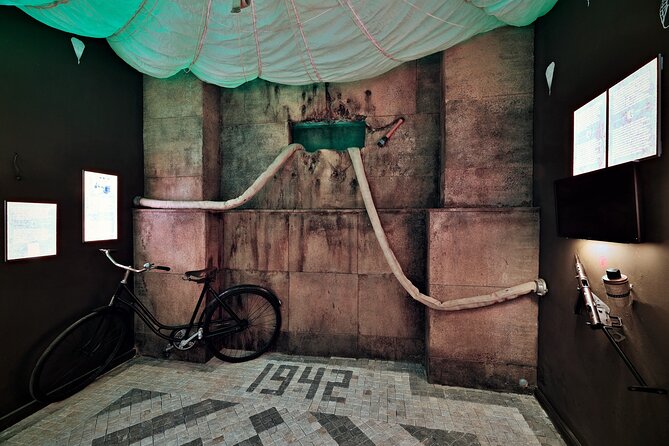
The museum includes a hidden room and displays that are not shown in photographs. That matters because the visit is not fully revealed before you arrive. You have at least a small reason to look around carefully instead of treating the museum as a sequence of predictable images.
Do not expect the hidden room to transform the entire experience into a puzzle or escape game. The available details describe it as an extra feature within the museum, not as a separate activity. Still, it adds curiosity and gives the route a moment of discovery.
The unseen exhibits also support the museum’s aim of keeping the experience active. You may find that some of the best moments come from the way the displays are arranged, lit, or paired with audio rather than from an item you recognized in advance.
Is $19.27 a fair price for 90 minutes?
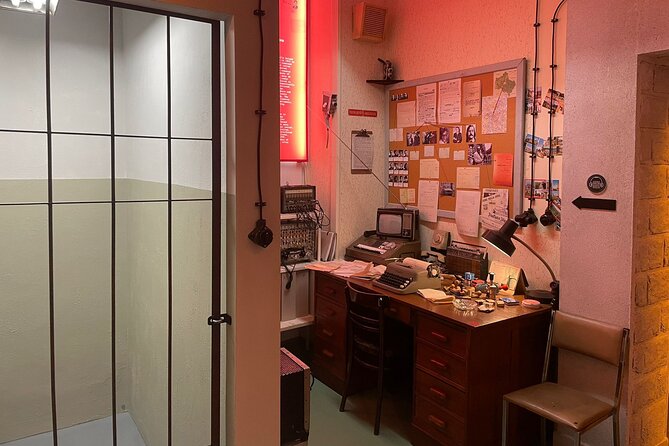
At $19.27 per person, this is not the cheapest quick stop in Prague. The price makes more sense if you value an organized overview, admission included, and interactive technology that turns a short visit into a guided walk through the city’s past.
You are paying for more than a room of static objects. The museum combines film, audio, mixed reality, visual installations, and a timeline that spans medieval Prague to the Velvet Revolution. If you use only the basic displays and ignore the digital material, the value may feel less convincing.
The visit is also short enough to fit between larger Prague plans. A 90-minute museum can work well on a morning when you want context before seeing the Old Town Hall and Astronomical Clock in person. It can also serve as a weather-proof activity, though the provided information does not promise any special indoor facilities beyond the museum itself.
The price is less appealing if you prefer a slow, traditional museum visit. You may want more time with original objects, more detailed scholarship, or fewer screens. In that case, this experience is better seen as an engaging introduction to Prague than as the only history museum you need.
Who will enjoy this museum most?
I would recommend the Story of Prague Museum to you if you want a clear city timeline without committing to a long guided tour. The broad coverage makes it useful early in a Prague visit, especially if you want some background before exploring the streets and monuments.
It suits families and mixed-age groups because the displays are not built only around dense text. Film, sound, and large visual pieces offer different ways to follow the story. Most people can participate, according to the activity information, and the location is near public transportation.
It also suits history-minded visitors who want the difficult chapters included. The Nazi occupation, bombing, Soviet occupation, and Velvet Revolution receive space alongside kings, Hussites, folklore, and architecture.
I would be more cautious if you dislike technology in museums. The QR codes can become repetitive, and the mixed-reality style may feel less personal than a live guide. No guide names are provided, so you should expect a museum-based visit rather than a tour led by a named historian.
Booking can be done with a mobile ticket, and confirmation arrives at the time of booking. Free cancellation is available if you cancel at least 24 hours before the 10:00 am start. Changes or cancellations made inside that window are not accepted for a refund.
Should you book the Story of Prague Museum?
Book it if you want a lively 90-minute introduction to Prague, with the Golem, medieval rulers, the Astronomical Clock, wartime history, Soviet rule, and the Velvet Revolution all in one place. The mixed presentation gives you more variety than a standard display-only museum, and the price is reasonable when you use the full range of exhibits.
Skip it if you want a quiet collection of original objects or dislike using your phone during a museum visit. The QR codes are easy to ignore, but their presence is part of the experience. For most people planning a first visit to Prague, this is a useful orientation stop, not a replacement for seeing the city itself.
FAQ
Where is the Story of Prague Museum?
The museum is in Prague, Czech Republic, and it is near public transportation.
How long does the museum experience take?
The visit lasts approximately 1 hour and 30 minutes.
What time does the experience start?
The listed start time is 10:00 am.
Is admission included?
Yes. Admission to the Story of Prague Museum is included.
What periods of Prague’s history are covered?
The museum covers medieval knights and kings, Jan Žižka and the Hussites, the Old Town Hall and Astronomical Clock, Nazi occupation, the bombing of Prague, Soviet occupation, the Velvet Revolution, and Czech global achievements.
Does the museum use interactive technology?
Yes. The experience includes mixed reality, film installations, audio elements, and QR codes.
Can I cancel for a full refund?
Yes, if you cancel at least 24 hours before the experience starts. Cancellations or changes made less than 24 hours before the start time are not refunded or accepted.
Just added around Prague
- Prague Highlights 4 Hour Private Walking Tour★ 5.0 · 3 reviews
- VIP Prague Segway Tour Around Monastic Breweries★ 4.0 · 3 reviews
- Private Guided Tour from Prague to UNESCO Kutna Hora★ 5.0 · 3 reviews
- From Prague Day Unique Tour To Cesky Krumlov★ 4.5 · 3 reviews
- Cesky Krumlov: Insta-Perfect Walk with a Local★ 5.0 · 3 reviews
- Prague: WWII Tour with Local Historian SMALL GROUP★ 5.0 · 3 reviews
- Learn Traditional Czech Cooking from Authentic Family Recipes★ 5.0 · 3 reviews
- Prague Tour in Spanish★ 5.0 · 3 reviews
Museums, compared.

IAM Illusion Art Museum Prague Fast Pass Ticket
Read our review →

Ticket to Audiovisual Light Art at Lumia Gallery
Read our review →
Browse the lists this tour appears in