
Reviewed · PRAGUE
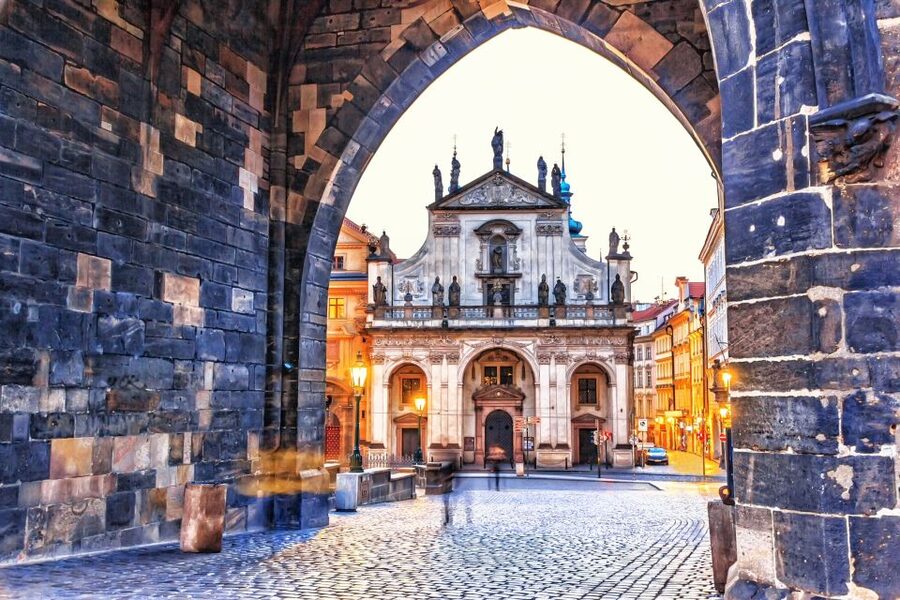
Prague: A. Vivaldi Four Seasons at St. Salvator Church
St. Salvator Church gives this one-hour classical concert something a concert hall cannot: soaring organ music, echoing strings, and ornate Baroque surroundings in the heart of Prague. The Royal Czech Orchestra performs with soloists Eva Müllerová, Robert Hugo, and Viktor Mazáček, in a program built around Vivaldi, Bach, Beethoven, Smetana, and familiar seasonal songs.
I like the easy length, which fits neatly before dinner, and I like the broad program. You hear orchestral pieces, organ showpieces, a soprano, and Christmas music rather than a full evening devoted to one composer. The main drawback is practical: the church can be cold, and the wooden pews grow hard after about 30 minutes.
- St. Salvator Church: Hear music inside the main church of Prague’s Klementinum complex, one of the city’s major historic sites.
- Royal Czech Orchestra: Listen to a professional ensemble joined by Prague soloists and an organist.
- Familiar classical works: The program includes Vivaldi’s Four Seasons, Bach’s Toccata and Fugue, Beethoven’s Fifth Symphony, and Smetana’s The Moldau.
- A varied one-hour format: The concert moves between strings, organ, vocals, solo pieces, and Czech and European carols.
- Arrive 30 minutes early: Exchange your ticket at the box office just to the right of the entrance, then receive your assigned seats.
- Prepare for church conditions: There is no official dress code, but warm clothing and a pre-concert bathroom stop are sensible.
In This Review
- Why St. Salvator Church Changes the Concert
- A Program Built for First-Time Classical Listeners
- Vivaldi’s Four Seasons, Spring and Winter
- Bach’s Organ and the Power of the Building
- Soprano, Soloists, and the Royal Czech Orchestra
- The Klementinum Setting Before and After the Music
- Seats, Ticket Exchange, and Arrival Time
- Is the $34 Price Fair?
- Who Will Enjoy This Concert Most?
- Practical Verdict: Book It If You Want Music With a Sense of Place
- FAQ
- How long does the St. Salvator Church concert last?
- Where does the concert take place?
- Which musicians perform at the concert?
- Do I need to exchange my online ticket?
- How early should I arrive?
- Is there a dress code?
Why St. Salvator Church Changes the Concert
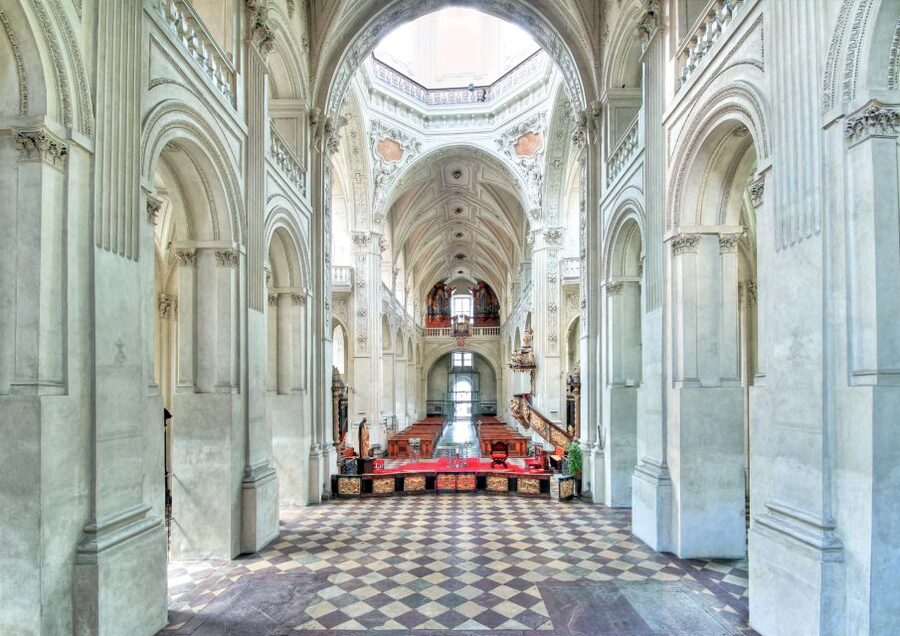
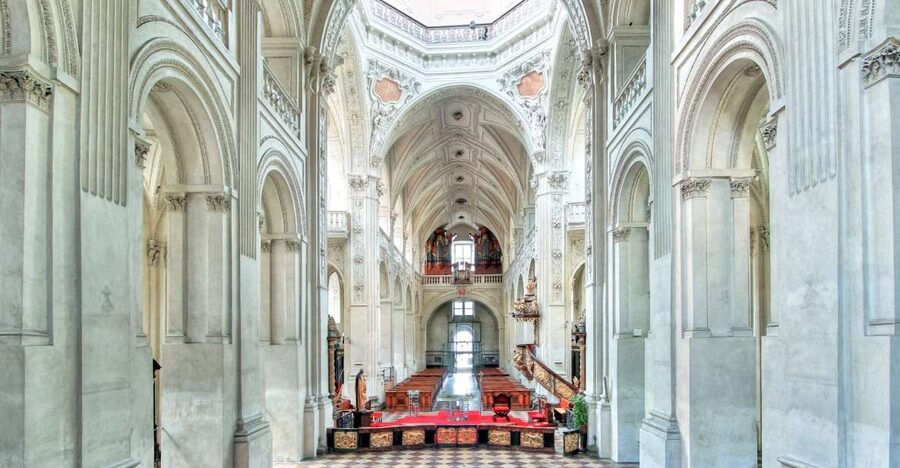
The real attraction here is the combination of music and place. St. Salvator Church is the main church of the Klementinum complex, a grand Prague landmark with a highly decorated interior and the acoustics you expect from a large historic church.
Strings behave differently in this setting. A violin line can hang in the air for a moment, while the organ fills the room with a force that makes Bach’s Toccata and Fugue in D minor feel almost physical. The echo adds drama, though it also softens some detail. If you want a close, sharply defined chamber sound, a modern hall may suit you better.
I like that the building is not treated as a quick backdrop. You have time before the concert to look up at the architecture, settle into the church, and let the setting become part of the evening. Even from the back, the sound carries well. Several people seated there still found the concert powerful, though your view of the performers will be less direct.
The church has one clear weakness. Heating is limited, and cold weather can make the hour uncomfortable. Some performances provide warming bench pads, which help, but you should still wear a coat or a warm layer. This is not the place for a light evening outfit chosen only for appearance.
A Program Built for First-Time Classical Listeners
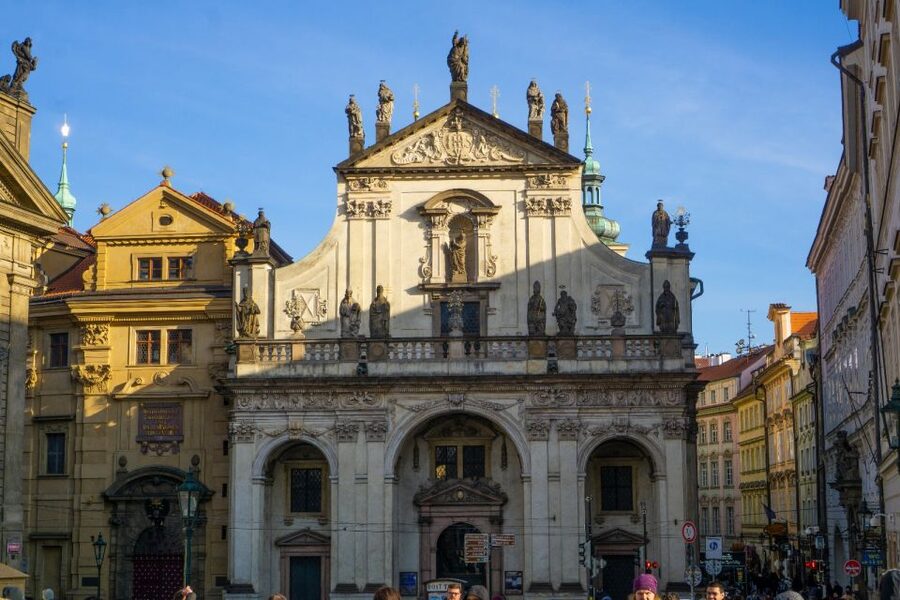
This is not a single-composer recital. It is a greatest-hits style program that gives you many ways into classical music. The listed works include:
- J. F. Wade, Adeste Fideles
- Antonio Vivaldi, The Four Seasons, Spring and Winter
- Antonín Dvořák, Fuga in G minor
- George Frideric Handel, a famous aria from Messiah
- Johann Sebastian Bach, Toccata and Fugue in D minor
- Franz Schubert, Ave Maria
- Bedřich Smetana, The Moldau, also known as Vltava
- Ludwig van Beethoven, Symphony No. 5, Allegro
- Czech and European Christmas carols
- Franz Xaver Gruber, Silent Night
The advertised highlights also include Mozart’s Requiem, Lacrimosa. Since concert programs can be presented in different seasonal formats, check the exact program for your chosen date if that particular piece matters to you.
The broad selection is useful if you are new to classical music. You will probably recognize several melodies, even if you do not know their titles. The concert does not ask you to sit through an unfamiliar symphony from beginning to end. Instead, it gives you short, memorable sections with different moods and instruments.
That variety also keeps the hour moving. Vivaldi brings energetic strings and clear seasonal images. Bach’s organ work supplies the biggest jolt of sound. Schubert and Handel give the soprano room to shape longer vocal lines. Smetana’s The Moldau connects the music directly to Czech culture, while Beethoven’s Fifth supplies the familiar dramatic finish.
Other Prague outings people book alongside this one:
- Prague: 50-Minute Sightseeing Evening Cruise
★ 4.2 · 33,780 reviews - Prague: Medieval Dinner with Unlimited Drinks
★ 4.4 · 19,847 reviews - Prague: Skip-the-line Castle Ticket and Optional AudioGuide
★ 4.3 · 11,121 reviews
Vivaldi’s Four Seasons, Spring and Winter
Vivaldi’s Four Seasons is the advertised centerpiece, but you hear Spring and Winter, not all four concertos. That distinction matters if you are expecting the complete cycle.
Spring is bright and quick, with the strings suggesting birds, movement, and the return of warm weather. Winter has a sharper edge, with brisk rhythms and colder moods. In a church, the reverberation can make those pieces feel larger than their modest ensemble size suggests.
The arrangement also allows the musicians to show contrast. You move from lively ensemble playing to slower, more lyrical passages, then into works that use the church’s organ and voice. The first violin receives particular attention in the Vivaldi sections, and sitting closer to the front gives you a better view of the lead player’s work.
If you love Vivaldi and want all four seasons, this may feel incomplete. If you want a compact introduction to his most famous music, Spring and Winter give you the best-known contrasts without taking over the entire concert.
Bach’s Organ and the Power of the Building
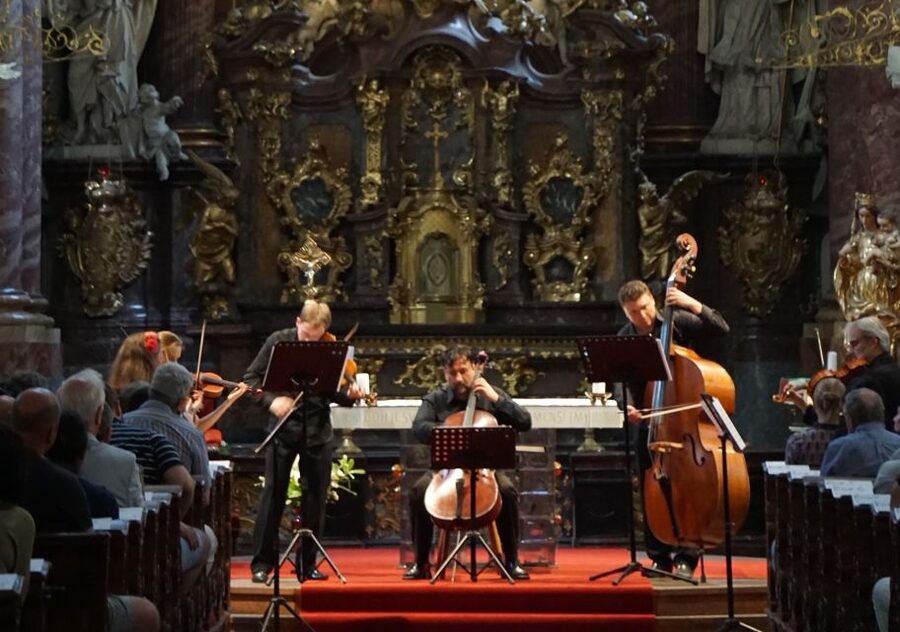
The organ is one of the evening’s strongest features. Bach’s Toccata and Fugue in D minor is a familiar work, but hearing it on the church organ changes the experience. The sound spreads above you and through the nave, turning a piece many people know from films and popular culture into a full architectural event.
The organist receives some of the most enthusiastic praise in the supplied feedback. That makes sense: the instrument offers the biggest difference between this event and a standard string concert. A quartet or small orchestra can play beautifully in many rooms. A historic church organ needs this kind of space.
You may feel the organ more than you hear every detail. The acoustics are generous, but they can blur fast passages. That is part of the appeal here. The concert is less about analytical listening and more about the sensation of sound filling the church.
For many first-time concertgoers, this is the moment that makes the ticket worthwhile. It also gives the hour a good shape. The string pieces draw you in, the vocalist changes the color of the program, and the organ provides a powerful midpoint or finale.
Soprano, Soloists, and the Royal Czech Orchestra
The Royal Czech Orchestra performs with three named Prague soloists: Eva Müllerová, Robert Hugo, and Viktor Mazáček. The supplied information does not assign a specific role to each artist, so check the printed program for the evening’s exact lineup.
The vocal numbers add welcome contrast. Handel’s Messiah aria and Schubert’s Ave Maria give the soprano space to sing above the strings and church resonance. The singer has been singled out repeatedly for a strong, clear performance, and this is likely to be one of the evening’s most memorable elements if you enjoy vocal music.
The orchestra itself is not a large symphonic force in the way a major concert hall orchestra would be. That is useful to know. The appeal comes from a focused ensemble sound, solo passages, the organ, and the church’s acoustics rather than from a huge stage packed with musicians.
You can get a more personal view from the front section. Several people were glad they paid extra for seats near the front, especially for seeing the first violin and singer. But the first row is not automatically perfect. A front-row seat at the far side can leave you looking across the performers, and one person found the concert leader’s back partly blocked the view.
Same city, a completely different afternoon:
- Prague: Castle Tour with Local Guide and Entry Ticket
★ 4.6 · 10,422 reviews - Prague Castle 2.5-Hour Tour Including Admission Ticket
★ 4.7 · 8,927 reviews - Prague: Oldtown, Medieval Underground & Dungeon History Tour
★ 4.2 · 8,244 reviews - Prague: Vltava River Night Cruise with Buffet
★ 4.3 · 7,338 reviews
The Klementinum Setting Before and After the Music
The Klementinum is an important part of Prague’s central historic core, so this concert works well as an evening stop after sightseeing. You do not need to build a full day around it. Plan your route so you can reach the church without rushing, then continue into central Prague after the performance.
The timing is especially convenient. One hour is long enough to feel like a proper cultural event but short enough to fit between dinner and other plans. If you are unsure about classical music, the compact format lowers the risk. You are not committing to a three-hour opera or a full symphony program.
The church interior is simple in one sense: the focus is on the architecture and the performers, not on a large theatrical production. That simplicity works well. You can look at the decorative details while the music creates the mood.
Afterward, you step back into central Prague rather than leaving a remote performance venue. That makes this a practical choice for an evening when you want something cultured but do not want complicated transport.
Seats, Ticket Exchange, and Arrival Time
Your online ticket is not the final step. You need to exchange it at the box office, located a few steps to the right of the church entrance, and receive your assigned seat. The doors open 15 minutes before the concert, but arriving 30 minutes early is the safer plan.
This early arrival matters for two reasons. First, you avoid a last-minute queue and the risk of missing the opening. One person reported missing the first part after spending too long in the ticket exchange line. Second, assigned seating within a purchased section can work in your favor if you arrive early.
If front, middle, or back sections are available when you book, choose according to your priorities. The front gives you a stronger view of the soloists and first violin. The middle is likely the best compromise between sightlines and sound. The back still offers good acoustics, but you will be farther from the musicians.
The pews are traditional church seating, not padded theater chairs. Some people found them uncomfortable after the first half hour. An hour is manageable for most people, but if you have back problems, choose a position that lets you shift comfortably and avoid arriving so late that you are stuck with the least convenient seat in your section.
There is no official dress code. Wear what you like, but practical clothing wins. In warm months, ordinary smart-casual clothing is fine. In autumn and winter, keep your coat with you. The church may feel cold even when Prague’s streets seem comfortable.
There are no toilets in the church, so use facilities before you enter. This is a small point, but it matters during a timed concert when leaving your pew means disturbing the people around you.
Is the $34 Price Fair?
At $34 per person, this is a fair buy for a central Prague evening activity. The ticket includes entry and a printed concert program. You are paying not only for the music but also for the setting, the organ, the soloists, and the convenience of a one-hour performance.
The value is strongest if you already plan to be in the center. There is no separate sightseeing admission bundled into the ticket, so do not think of it as a full Klementinum tour. You are attending a concert in one of its major churches.
The price also compares well with longer formal concerts if you mainly want familiar works and a taste of Prague’s musical life. You get Vivaldi, Bach, Beethoven, Smetana, vocal music, and seasonal pieces in one sitting. The tradeoff is that the program gives you excerpts and selected works rather than full-length performances of every major composition.
Front seating may cost more, based on the available booking choices. I would consider that upgrade if seeing the musicians closely matters to you. Otherwise, a middle or rear section still makes sense because the church carries sound well.
Free cancellation up to 24 hours before the start gives you useful flexibility, and the reserve now, pay later option can help if your Prague schedule is still moving around.
Who Will Enjoy This Concert Most?
I would recommend it to first-time classical listeners, couples looking for a calm evening activity, and anyone who wants music in a historic setting without giving up an entire night. The familiar works make it approachable, while the organ and acoustics give it a sense of occasion.
It also suits families with older children, provided minors are accompanied. Unaccompanied minors are not allowed. The one-hour length is helpful for children who may not manage a longer concert.
This is less ideal for serious classical listeners seeking a complete Four Seasons cycle, a large symphony orchestra, or a concert hall’s precise acoustics. It is also not the best choice if you dislike firm seating or are sensitive to cold indoor spaces.
If you care most about the atmosphere, organ, and recognizable melodies, the drawbacks are easy to accept. If you care most about a perfect view and polished theater comfort, book early and choose your section carefully.
Practical Verdict: Book It If You Want Music With a Sense of Place
I would book this concert when I wanted an easy cultural evening in Prague, especially before dinner or after a day of sightseeing. The church, organ, and talented vocalist give the program more character than a routine tourist concert, while the one-hour length keeps the commitment sensible.
Arrive 30 minutes early for the ticket exchange and seat assignment. Wear something warm in cooler months, use a bathroom before entering, and do not assume the first row guarantees the best view.
Book it if you want a polished introduction to classical music in a memorable Prague setting. Skip it only if you need the complete Four Seasons, modern seating, or a full-scale symphonic performance.
FAQ
How long does the St. Salvator Church concert last?
The concert lasts one hour. This makes it easy to fit into an evening itinerary before or after dinner.
Where does the concert take place?
It takes place at St. Salvator Church, the main church of the Klementinum complex in Prague.
Which musicians perform at the concert?
The Royal Czech Orchestra performs with Prague soloists Eva Müllerová, Robert Hugo, and Viktor Mazáček. The program also includes a vocalist and organist.
Do I need to exchange my online ticket?
Yes. Go to the box office a few steps to the right of the church entrance to exchange your ticket and receive your assigned seat.
How early should I arrive?
Arrive 30 minutes before the concert. The doors open 15 minutes before the performance, and early arrival helps you avoid the ticket exchange queue.
Is there a dress code?
No official dress code applies. The church can be cold, particularly in cooler months, so bring a warm layer. There are no toilets inside the church.
Just added around Prague
- Prague Highlights 4 Hour Private Walking Tour★ 5.0 · 3 reviews
- VIP Prague Segway Tour Around Monastic Breweries★ 4.0 · 3 reviews
- Private Guided Tour from Prague to UNESCO Kutna Hora★ 5.0 · 3 reviews
- From Prague Day Unique Tour To Cesky Krumlov★ 4.5 · 3 reviews
- Cesky Krumlov: Insta-Perfect Walk with a Local★ 5.0 · 3 reviews
- Prague: WWII Tour with Local Historian SMALL GROUP★ 5.0 · 3 reviews
- Learn Traditional Czech Cooking from Authentic Family Recipes★ 5.0 · 3 reviews
- Ebike tour in Prague – Express Tour★ 5.0 · 3 reviews