
Reviewed · JEWISH QUARTER TOURS
Prague: Classical Concert in the Spanish Synagogue
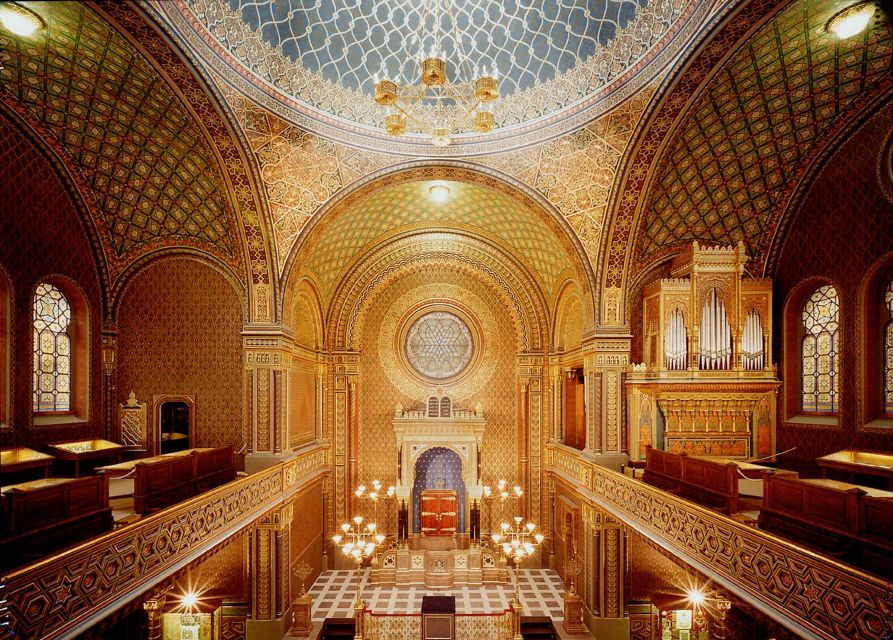
The Spanish Synagogue gives this short concert something most Prague music halls cannot: a remarkable Moorish Revival interior. Stylized Islamic patterns cover the walls, doors, and gallery railings, so you are looking at an architectural work of art while listening to music by Mozart, Bach, Verdi, Rossini, Dvořák, and Smetana.
I like the excellent acoustics and the compact one-hour format. The setting feels intimate, and the program can include a string ensemble, trumpet, and soprano, not just an anonymous background orchestra. The main consideration is value: at $50 per person, this is not Prague’s cheapest concert, and the music selection can be eclectic rather than strictly classical.
In This Review
- Key points to know before you book
- Why the Spanish Synagogue changes the concert
- What happens during the one-hour program
- The music: strong playing, changing styles
- Bolero, Hallelujah, or Czech music?
- Seating, timing, and comfort
- Is $50 a fair price?
- A meaningful setting, with a need for respect
- Who will enjoy this most?
- Should you book the Spanish Synagogue concert?
- FAQ
- How long does the concert last?
- Where does the performance take place?
- What music will be performed?
- Does the program change by day?
- Who performs the concert?
- Is there a singer?
- When does the synagogue open?
- Is there a dress code?
- Is the venue wheelchair accessible?
- Can children attend alone?
Key points to know before you book
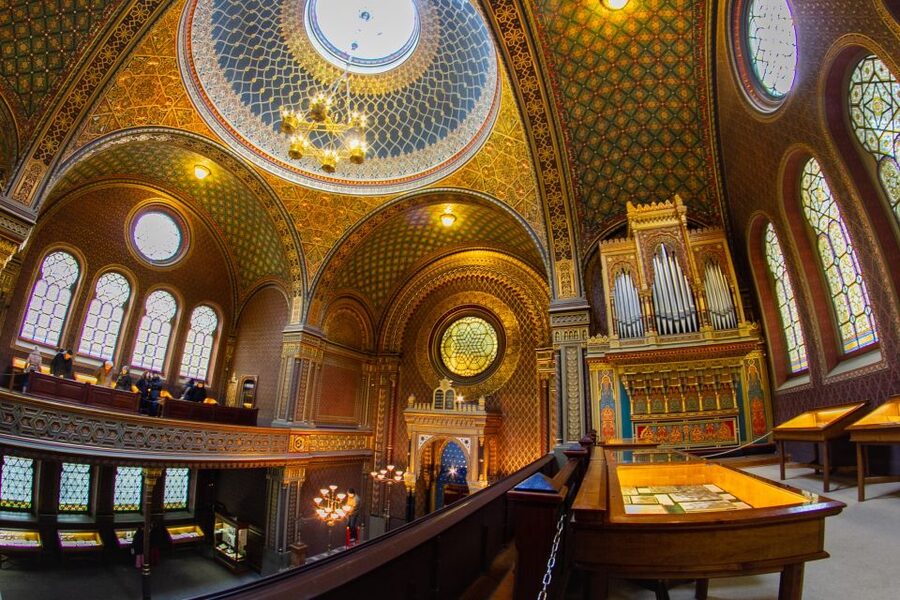
- The Spanish Synagogue is part of the experience: Its Moorish Revival decoration is as important as the music.
- Professional Prague musicians perform: The ensemble includes leading players from the Prague FOK Symphony Orchestra.
- Programs change by day: Sundays and Tuesdays feature Bolero, Wednesdays focus on world and Czech music, and Mondays and Thursdays feature Hallelujah.
- Expect more than instrumental music: Depending on the program, you may hear opera arias, Jewish songs, modern favorites, soprano, and trumpet.
- The concert lasts one hour: It fits neatly before or after dinner and starts at scheduled times listed for your chosen date.
- Arrive early for better seating: The synagogue opens 15 minutes before the performance, and seating can matter in a small venue.
Why the Spanish Synagogue changes the concert
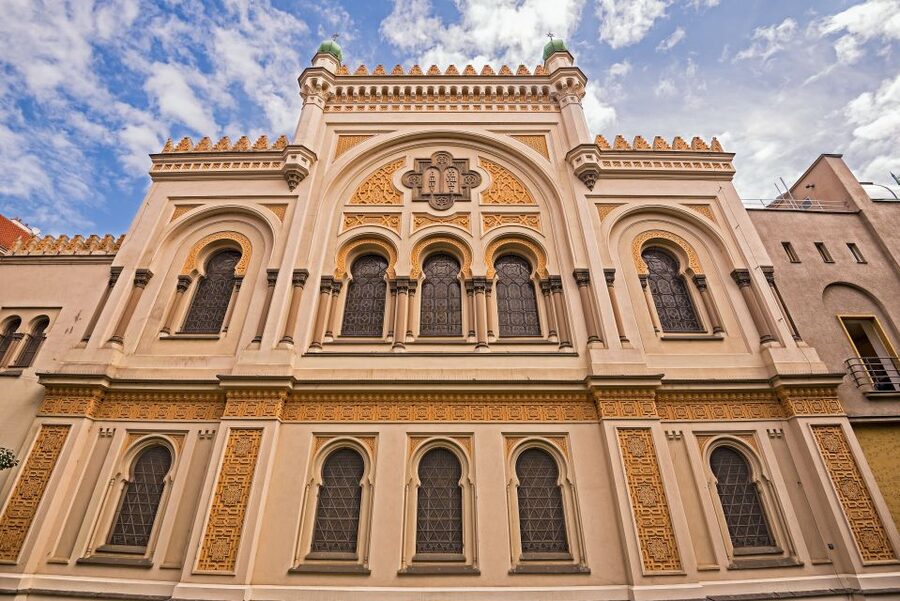
Prague has no shortage of classical music, but many performances take place in churches or formal concert rooms. Here, the building itself shapes the evening. The Spanish Synagogue is decorated with repeating patterns, strong color, and graceful arches inspired by Islamic design. The effect is ornate without needing extra stage decoration.
You sit surrounded by historic artwork and architectural detail rather than facing a bare platform. That makes the concert feel like two experiences joined together: a visit to one of Prague’s notable religious buildings and a live music performance.
The acoustics are a major strength. In a space of this type, string instruments and a soprano can carry clearly without sounding harsh. A trumpet can also fill the room with little effort. The result is especially effective during quieter passages, when the building lets the notes linger.
The venue is intimate. One attendee described a performance with roughly 80 people, though the audience size may vary. A smaller room helps you feel close to the musicians, but it also means small noises travel. Programs rustling, phones, or people taking photographs can distract more than they would in a large hall. Follow the no-photography signs and silence your phone before the music begins.
More Jewish Quarter walks:
- Prague: Jewish Quarter Walking Tour with Admission Tickets
★ 4.7 · 3,729 reviews - Prague: Old Town and Jewish Quarter Guided Tour in German
★ 4.8 · 3,143 reviews - Prague: Old Town and Jewish Quarter Guided Walking Tour
★ 4.6 · 2,847 reviews
What happens during the one-hour program
The performance opens with a selection of songs, arias, or instrumental compositions. The exact order and pieces depend on the date, so you should check the program title before booking. The advertised schedule groups the concerts into three themes:
- Sundays and Tuesdays: Bolero
- Wednesdays: The Best of World and Czech Music
- Mondays and Thursdays: Hallelujah
The program names are useful guides, but you should not assume they describe a strict single-composer recital. The actual music can range from famous classical works to Czech favorites, Jewish traditional songs, opera, show tunes, and modern arrangements.
A typical performance may combine a string quintet or small string orchestra with solo trumpet and soprano. You may hear familiar pieces by Verdi, Rossini, Mozart, Bach, Dvořák, and Smetana. Czech selections can include Smetana’s Vltava and Dvořák’s New World Symphony, while vocal sections may bring in music from opera or popular concert repertoire.
The music is designed for broad appeal. You do not need a background in classical music to follow it. Well-known melodies give you an easy way in, while the different instruments keep the hour moving. If you want a focused recital devoted entirely to Bach, Dvořák, or chamber music, this may feel too mixed.
That variety is also part of the charm. One program can move from a familiar orchestral passage to an aria, then to a Jewish song or a modern favorite. Some people will find this engaging and accessible. Others may prefer a more consistent style. Check the chosen day carefully, especially if you are arranging your evening around a particular work such as Ravel’s Bolero or a Czech composition.
The music: strong playing, changing styles
The strongest musical feature is the quality of the performers. The musicians come from the Prague FOK Symphony Orchestra, one of the city’s established professional ensembles. The small format gives the players room to be heard individually, particularly the violinists and other string players.
The soprano can be the evening’s surprise. Several programs have featured an opera singer, and the vocal performances have been singled out as a major highlight. The voice changes the character of the concert, adding drama and emotional force to a room that might otherwise be filled only with strings.
The trumpet provides another welcome contrast. A solo trumpet can sound bright and direct in the synagogue, while the strings supply warmth underneath. The combination gives the program more color than a simple string recital.
You may hear music from Carmen, Summertime, Carmina Burana, or other familiar works, depending on the date. Some programs have also included modern songs and musical theater selections. That makes this a good choice if you want a relaxed introduction to classical and crossover music rather than a formal concert built around one period.
The printed program is in English, which helps you follow the evening. Still, the exact list of pieces may not always be as detailed as you would like. If you care about identifying every selection, check the date-specific program information before you commit. A few pieces may be less familiar, and the printed information may not name every work clearly.
Bolero, Hallelujah, or Czech music?
The day of the week matters more than it might at first appear.
Bolero on Sundays and Tuesdays suggests a program built around Ravel’s famous gradual orchestral work, but the full evening may include other music as well. This choice suits you if you want a recognizable centerpiece and a concert with a clear promotional theme.
The Best of World and Czech Music on Wednesdays is likely the broadest option. Expect a mixture of international classical pieces and music connected to the Czech tradition. This is the sensible pick if you want to hear Dvořák and Smetana alongside familiar world classics.
Hallelujah on Mondays and Thursdays points toward a program with strong vocal or sacred associations. It may suit you if you prefer singing and a more emotional program, though the exact selection can vary.
The title Jewish music deserves a little care. The synagogue setting makes Jewish songs especially meaningful, and some performances include Hebrew or Jewish traditional pieces. However, the program is not necessarily devoted mainly to Jewish music. If that is your main reason for attending, confirm the date and expected repertoire before booking.
More classical concerts and black light theatre:
- Prague: Entry Ticket Classical Concert at the Mirror Chapel
★ 4.7 · 4,636 reviews - Prague: WOW Show Black Light Theater
★ 4.0 · 3,990 reviews - Prague: Concert at Reduta Jazz Club
★ 4.5 · 2,170 reviews - Prague: Jazz Boat Cruise with Live Concert and Optional Meal
★ 4.6 · 1,682 reviews
Seating, timing, and comfort
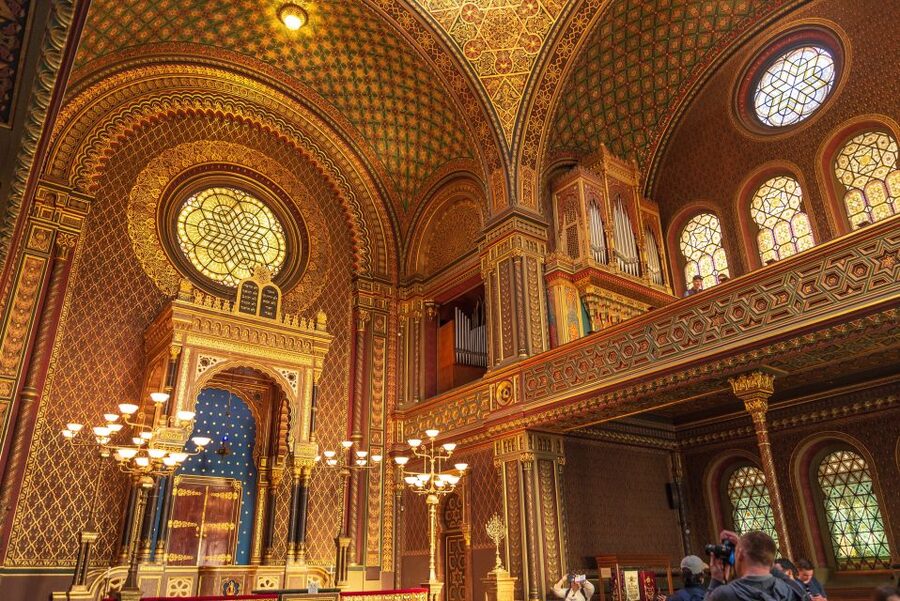
The synagogue opens 15 minutes before the scheduled start. Use that small window wisely. Arriving early gives you time to enter calmly, take in the interior before the music begins, and choose a favorable seat if seating is not assigned.
Early arrival matters because sightlines can differ in a compact venue. One practical tip is to avoid arriving at the last moment if you care about seeing both the singers and instrumentalists clearly. You may also want a few quiet minutes to look at the decorative details without trying to do so between musical pieces.
The concert lasts one hour, which is one of its best practical features. You can schedule an early dinner before an evening performance, or reserve a table afterward without turning the concert into an all-night commitment. A performance beginning around 8 p.m. can fit neatly into a normal Prague evening.
The pew-style seating is not luxurious. One attendee found the benches uncomfortable, which is hardly surprising in a historic synagogue. For most people, an hour is manageable, but you should not expect padded concert-hall chairs.
Winter should be comfortable because the interior is heated. Summer conditions are less predictable. During a heatwave, the synagogue can become very hot, although the short running time makes it easier to manage. Choose light clothing in warm weather, while keeping your outfit respectful.
There is no official dress code. Smart casual clothing is appropriate. You do not need formal evening wear, but beachwear or very casual clothing may feel out of place in this setting.
Is $50 a fair price?
At $50 per person, this concert sits in the mid-to-upper range for a one-hour Prague music experience. The ticket covers entrance to the performance and an English printed program. It does not offer a meal, a guided tour, or a long recital.
The value depends on what you are paying for. If you judge the ticket only by minutes of music, an hour for $50 can feel expensive. Other concerts in Prague may run longer or cost less. One attendee specifically felt that comparable performances offered more time for less money.
If you value the setting, the calculation changes. You are paying for professional musicians, a soprano and possible trumpet soloist, the acoustics of a historic synagogue, and a convenient evening slot. The Spanish Synagogue is not a plain rented room. Its decoration gives the performance a sense of place that a generic concert venue cannot match.
I would call it a good-value splurge for a special evening, especially if you already plan to visit the Jewish Quarter. I would be more cautious if your main goal is simply to hear the maximum amount of classical music for your budget.
A meaningful setting, with a need for respect
The Spanish Synagogue is a religious building as well as a performance venue. That matters. Its Jewish identity should not be treated as mere decoration, particularly when the program includes Jewish or Hebrew music.
The setting can make the music more moving, especially during Hebrew songs or pieces with a spiritual character. It can also prompt you to think about the building beyond its appearance. Take a few moments before the concert to notice the interior, and treat the space with the same quiet respect you would bring to a place of worship.
Photography is not allowed during the concert. This is sensible in a small room, where a glowing phone screen or repeated camera clicks can break the mood. Put your phone away and let the performance happen without trying to record it.
Who will enjoy this most?
I would recommend this experience to:
- Couples wanting a calm, romantic evening before or after dinner
- First-time concertgoers who prefer familiar melodies and a short program
- Classical music fans who enjoy mixed programs and small ensembles
- Visitors interested in Prague’s Jewish Quarter and synagogue architecture
- Anyone who wants a cultural activity that does not consume an entire evening
- People who appreciate live soprano and chamber-style performances
I would think twice if you want a full symphony orchestra, a long formal recital, or a guaranteed list of specific compositions. The musicians are professional, but the program can change in style and may include arrangements from popular music, opera, and musical theater.
The experience also suits families, with one important rule: minors must be accompanied by an adult aged 18 or older. Unaccompanied minors are not allowed. The synagogue is wheelchair accessible, and the venue is heated during winter.
Free cancellation up to 24 hours in advance and the reserve-now, pay-later option make it easier to fit the concert into a changing Prague schedule. Those policies do not change the musical content, but they are useful when you are balancing several evening plans.
Should you book the Spanish Synagogue concert?
Book it if you want a beautiful setting, polished musicians, excellent sound, and a manageable one-hour program. The architecture is the main reason this concert feels different from the many church performances around Prague. The soprano, trumpet, and string players add variety, and the music is generally accessible even if you are not a classical specialist.
Before paying $50, check the date-specific theme and your expectations. If you want Bolero, choose a Sunday or Tuesday, but confirm the current program. If Czech music matters most, Wednesday is the logical choice. If Hebrew and Jewish music are your priority, verify that the selected performance includes enough of it.
My advice is to arrive 15 minutes early, dress smart casual, choose your seat with care, and treat the hour as both a concert and an architectural visit. For many people, that combination makes the price worthwhile.
FAQ
How long does the concert last?
The concert lasts one hour.
Where does the performance take place?
It takes place inside Prague’s Spanish Synagogue in the Central Bohemian Region of the Czech Republic.
What music will be performed?
The program can include classical, modern, Jewish, Czech, and world music, along with songs and opera arias. Works by Verdi, Rossini, Mozart, Bach, Dvořák, and Smetana may be included.
Does the program change by day?
Yes. Sundays and Tuesdays feature Bolero, Wednesdays feature the Best of World and Czech Music, and Mondays and Thursdays feature Hallelujah.
Who performs the concert?
The performers are professional Prague musicians, including leading players from the Prague FOK Symphony Orchestra.
Is there a singer?
Some performances include a soprano or opera singer. The exact performers and program can vary by date.
When does the synagogue open?
The synagogue opens 15 minutes before the scheduled performance start time.
Is there a dress code?
There is no official dress code. Smart casual attire is suitable.
Is the venue wheelchair accessible?
Yes, the Spanish Synagogue is wheelchair accessible.
Can children attend alone?
No. Children must be accompanied by an adult aged 18 or older, and unaccompanied minors are not allowed.
More Concerts in Prague
- Prague: Mozart Ballroom Concert Ticket with 3-Course Dinner
★ 4.8 · 1,200 reviews - Prague Castle: Midday Classical Concert at Lobkowicz Palace
★ 4.6 · 1,106 reviews - Prague: Classical Concert in St. Nicholas Church
★ 4.3 · 513 reviews - Mozart Concert and Dinner in Prague
★ 4.5 · 492 reviews
Just added around Prague
- Prague Highlights 4 Hour Private Walking Tour★ 5.0 · 3 reviews
- VIP Prague Segway Tour Around Monastic Breweries★ 4.0 · 3 reviews
- Private Guided Tour from Prague to UNESCO Kutna Hora★ 5.0 · 3 reviews
- From Prague Day Unique Tour To Cesky Krumlov★ 4.5 · 3 reviews
- Cesky Krumlov: Insta-Perfect Walk with a Local★ 5.0 · 3 reviews
- Prague: WWII Tour with Local Historian SMALL GROUP★ 5.0 · 3 reviews
- Learn Traditional Czech Cooking from Authentic Family Recipes★ 5.0 · 3 reviews
- Prague Tour in Spanish★ 5.0 · 3 reviews
Jewish Quarter Tours, compared.
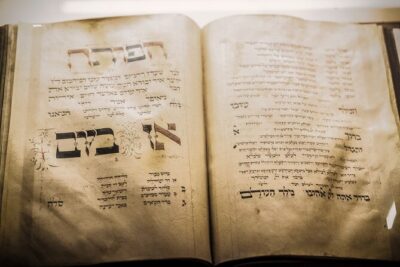
Jewish Quarter Walking Tour with Admission Tickets
Read our review →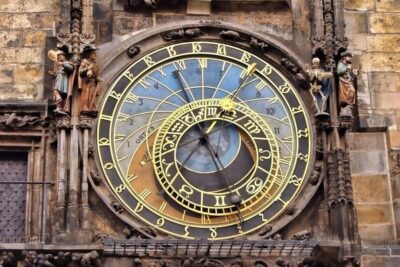
Old Town and Jewish Quarter Guided Tour in German
Read our review →
Old Town and Jewish Quarter Guided Walking Tour
Read our review →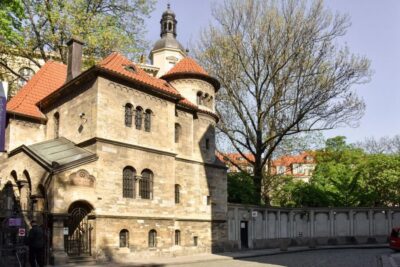
Jewish Quarter Ticket with optional Audio Guide
Read our review →
Prague’s TOP Sights – Old Town, Jewish Quarter, Charles Bridge (Tip-based tour)
Read our review →
Prague Old Town New Town and Jewish Quarter Morning Tour
Read our review →Iconic Prague Tour Old Town, Jewish Quarter and Charles Bridge
Read our review →
Old Town, Jewish Quarter & Astro Clock Walking Tour
Read our review →Browse the lists this tour appears in