Reviewed · TOURS
Prague Through the Eyes of Franz Kafka 2.5-Hour Tour
Prague makes more sense when you see it through Franz Kafka’s uneasy eyes. This 2.5-hour walk follows his family homes, schools, favorite places, and literary connections through Old Town and Josefov, the former Jewish Ghetto. The city’s streets become part biography, part social history, and part literary puzzle.
I like the strong local guides, including Peter, Martina, and Argel, who bring more than dates and addresses. I also like the included café stop, a welcome chance to sit down, ask questions, and discuss Kafka’s work instead of simply marching past another plaque.
The main consideration is that this is an information-led walking tour. You will see streets, buildings, and neighborhood settings rather than a long list of interior sights, and admission tickets are not included. If you want a fast visual tour of Prague, this may feel too literary.
In This Review
- Key points to know before booking
- Why Kafka is a useful guide to Prague
- Meeting at Maiselova 5 near Old Town Square
- Walking through Old Town and Kafka’s family world
- Josefov, synagogues, and the city’s Jewish past
- The café stop and a chance to slow down
- What the guides do especially well
- Is $40 good value for 150 minutes?
- Who will enjoy this walk most
- Practical advice for a better experience
- Should you book the Kafka Prague tour?
- FAQ
- How long is the Franz Kafka Prague tour?
- Where does the tour meet?
- What languages are available?
- Is coffee or tea included?
- Are admission tickets included?
- Can I cancel the tour for a full refund?
Key points to know before booking
- Kafka’s Prague is mostly found in Old Town and Josefov: Follow the places tied to his family, education, friendships, and writing.
- The tour adds Prague history beyond Kafka: Expect discussion of the city’s Jewish community, politics, art, architecture, and mixed cultural identity.
- The guide makes or breaks the experience: Peter, Martina, Argel, and other guides have been praised for clear storytelling and strong subject knowledge.
- Coffee or tea is included: The café stop gives you a rest after two hours of walking and a natural setting for questions.
- No major admission fees are built in: You explore the streets and exterior locations, so bring comfortable shoes and plan separate museum visits.
- It suits beginners as well as Kafka fans: You do not need to have read his novels to follow the story.
Why Kafka is a useful guide to Prague
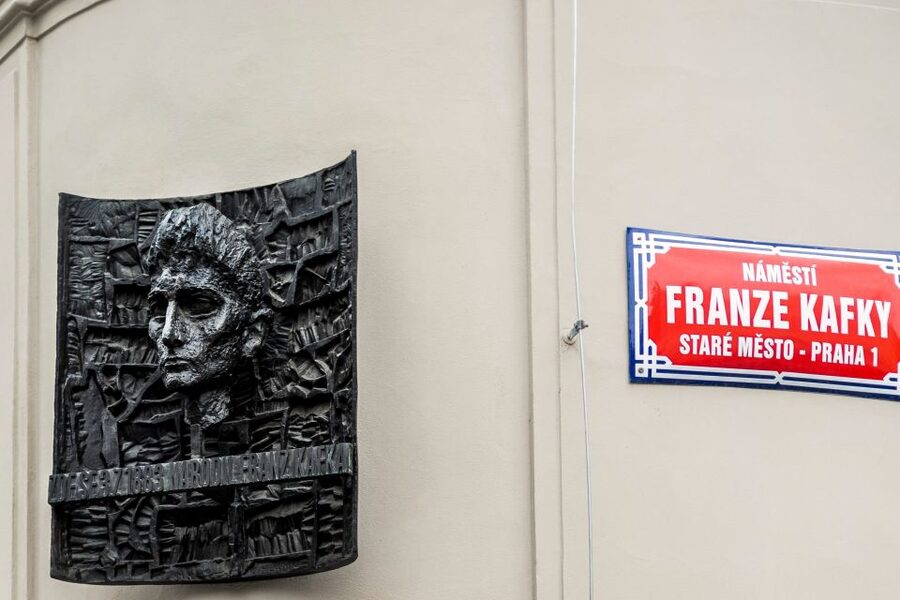
Kafka was born in Prague and spent much of his life there, writing works such as The Metamorphosis, The Trial, and The Castle. His connection to the city was not simple. He lived within a German-speaking Jewish family in a city shaped by Czech, German, and Jewish communities, and that mixture affected how he saw society and belonging.
That is what makes this walk more than a literary biography. You are not just hearing where Kafka lived. You are learning how language, religion, class, family pressure, and politics shaped daily life in Prague during the late 19th and early 20th centuries.
I find this approach especially useful because Kafka can seem remote on the page. His stories are strange, anxious, and often hard to place. Seeing the streets connected to his family and education gives those works a human setting without pretending that every Prague building directly inspired a particular scene.
The tour also helps you understand the Jewish Quarter as a living part of the city, not only as a collection of synagogues and cemeteries. You hear about the fate of Prague’s Jewish community and the wider social forces that surrounded Kafka as he grew up.
Other Prague outings people book alongside this one:
- Prague: 50-Minute Sightseeing Evening Cruise
★ 4.2 · 33,780 reviews - Prague: Medieval Dinner with Unlimited Drinks
★ 4.4 · 19,847 reviews - Prague: Skip-the-line Castle Ticket and Optional AudioGuide
★ 4.3 · 11,121 reviews
Meeting at Maiselova 5 near Old Town Square
The tour begins at the Get Prague Guide office at Maiselova 5, Prague 1. This is a practical starting point near Old Town Square and Josefov, so you begin close to the area that supplies much of the tour’s subject matter.
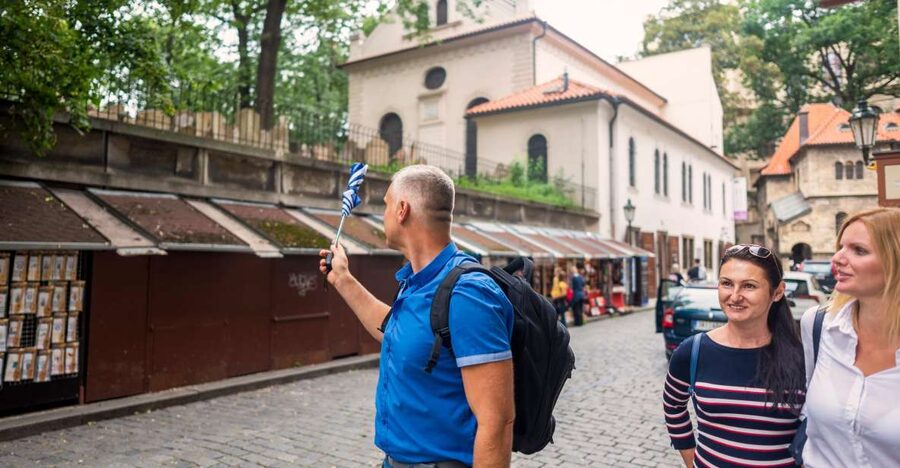
Arrive ready to walk. The route moves through public streets and neighborhood settings, with no promise of a museum-style indoor program. Because the tour operates in all weather, you should bring suitable clothing, especially in winter or during rain. Comfortable shoes matter more than stylish ones here.
The meeting point also works well if you book this early in your Prague visit. One past participant chose it for the first day and found that the walk provided useful orientation to the city. That makes sense: you cover Old Town, the Jewish Quarter, cafés, schools, homes, and streets while hearing how they fit together.
The group returns to the same Get Prague Guide office at the end. You do not need to arrange transport between stops, though you should leave some time afterward if you want to visit the Jewish Museum or other nearby sights independently.
Walking through Old Town and Kafka’s family world
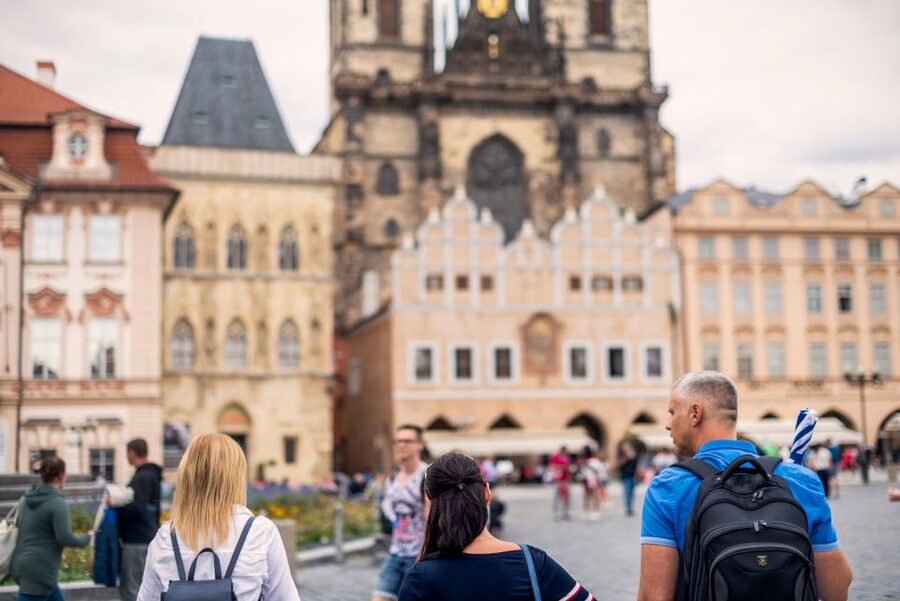
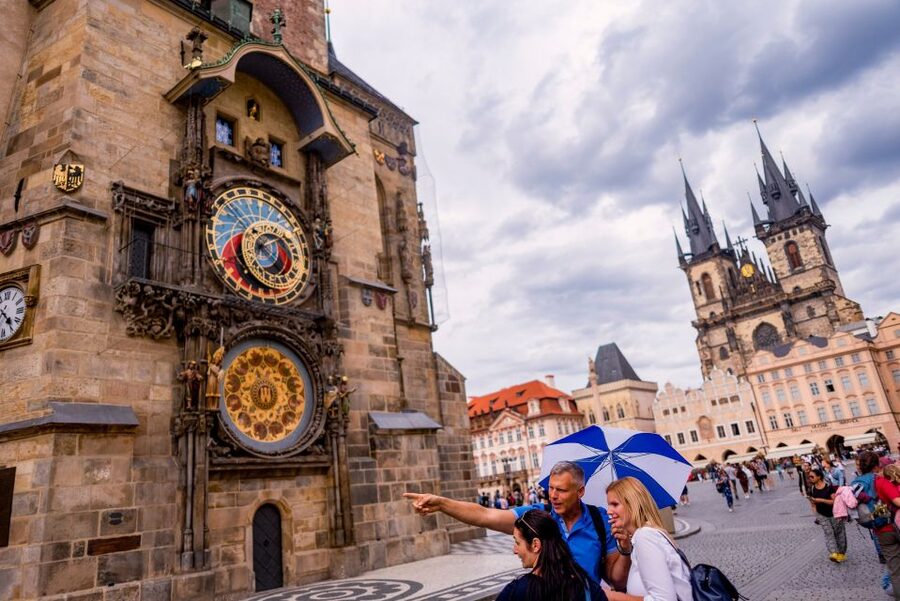
The first guided portion lasts about an hour in Old Town. Here, the focus is on the places that shaped Kafka before he became an internationally read author.
You walk near apartments where the Kafka family lived and learn how his home life affected him. Family relationships, work, social expectations, and Kafka’s difficulties are treated as part of the story, not as gossip added for color. This is helpful because Kafka is often reduced to an image of a gloomy writer. The walk presents him as a son, student, office worker, friend, and fiancé as well as an author.
The route also passes near the school and university he attended. These stops connect his writing to the education and professional world of Prague. You hear about his intellectual formation and the city’s literary life, rather than simply being told that he was famous.
One particularly personal stop concerns the house near which Kafka met his fiancée, Felice Bauer. His relationship with Bauer is important for understanding his letters, uncertainty, and private life. The location gives that story a physical anchor, even if you are viewing it from the street.
Do not expect a grand Kafka museum at each stop. The value is in the explanation. A building may look ordinary, but the guide’s account can show how it fitted into Kafka’s life and into the changing city around him.
The best guides use anecdotes and short stories to keep this section moving. Martina has been praised for explaining Kafka in a clear storytelling style without overloading the walk with facts. Peter has also been singled out for placing Kafka within Prague’s broader political and social past.
Josefov, synagogues, and the city’s Jewish past
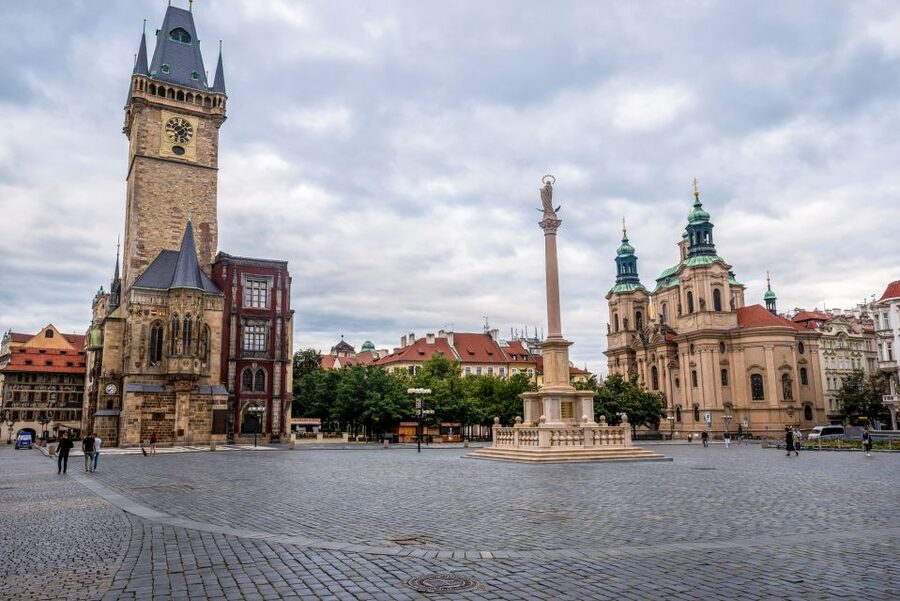
The second main section moves into Josefov and lasts about an hour. This is the part where Kafka’s personal story meets Prague’s Jewish history most directly.
Josefov was Prague’s former Jewish Ghetto, and the tour uses the area to explain the community in which Kafka grew up. You pass near synagogues and salons linked to the cultural world around him, while the guide describes how Jewish identity, German language, and Czech national feeling overlapped and sometimes conflicted.
That context matters. Kafka was not simply a German author living in a Czech city, nor can his Jewish background be treated as a separate footnote. The city’s competing languages and communities formed the setting for his family life and writing.
The walk also looks at Prague’s relationship to art and literature. You hear how the city’s cultural life influenced Kafka and how his work fits into a wider Central European setting. This is useful if you know his books but have never studied the place where he wrote them.
There is a practical limit here. The tour does not include admission tickets, so you should not expect a full visit inside the synagogues or other paid attractions. You may walk near important sites and receive their historical context, then return later for a separate museum visit if you want a more detailed look indoors.
That limitation can actually help the tour keep its focus. You spend the time connecting people, places, and ideas instead of waiting in lines or stopping for long formal exhibits. Still, if your main goal is the Jewish Museum, purchase a separate ticket and allow extra time after the walk.
Same city, a completely different afternoon:
- Prague: Castle Tour with Local Guide and Entry Ticket
★ 4.6 · 10,422 reviews - Prague Castle 2.5-Hour Tour Including Admission Ticket
★ 4.7 · 8,927 reviews - Prague: Oldtown, Medieval Underground & Dungeon History Tour
★ 4.2 · 8,244 reviews - Prague: Vltava River Night Cruise with Buffet
★ 4.3 · 7,338 reviews
The café stop and a chance to slow down
The final 30 minutes take place at a local café, where tea or coffee is included. This is not just a refreshment break. It gives the guide a quieter setting for questions and allows the group to discuss Kafka’s writing and life after seeing the streets tied to them.
The café has been described as a traditional and famous coffee house, and one past guide used a Cubist café for the stop. The exact café may vary, so do not book this expecting one guaranteed named venue. The important point is that you sit down in a place connected to Prague’s café culture.
A café is a fitting finish for this subject. It lets you consider Kafka as part of a city where writers, artists, students, and political thinkers met and argued. One guide even read a short Kafka text with the group over coffee, showing how the setting can turn the final half-hour into a small literary discussion.
This section also helps families and younger visitors. A group of two teenagers reportedly stayed engaged from start to finish, and the café offers a change of pace after the walking sections. If you are traveling with children who have little interest in Kafka, the promise of a warm drink and stories about his personal life may help keep the afternoon balanced.
What the guides do especially well
The strongest feature here is the guide’s ability to explain Kafka without making the tour feel like a university lecture. Peter has been described as an excellent historian who answered difficult questions and added useful material about Prague beyond Kafka. Martina is praised for friendly, well-paced storytelling.
Argel receives especially strong praise for his command of Kafka’s family, loves, problems, letters, novels, fragments, and biographies. That level of preparation matters if you have already read Kafka and want more than the standard facts.
At the same time, you do not need a degree in literature to enjoy the walk. Several guides have been described as welcoming to people with limited Kafka knowledge. The best experience comes when the guide connects complex ideas to places you can see: a home, a school, a meeting place, a synagogue, or a café.
Guide quality can vary from one departure to another, as it does on any guided walk. The available information identifies English and German as the tour languages but does not promise a particular guide. If you have a strong preference for a named guide, ask the operator before booking, but do not assume a specific person will lead your departure.
Is $40 good value for 150 minutes?
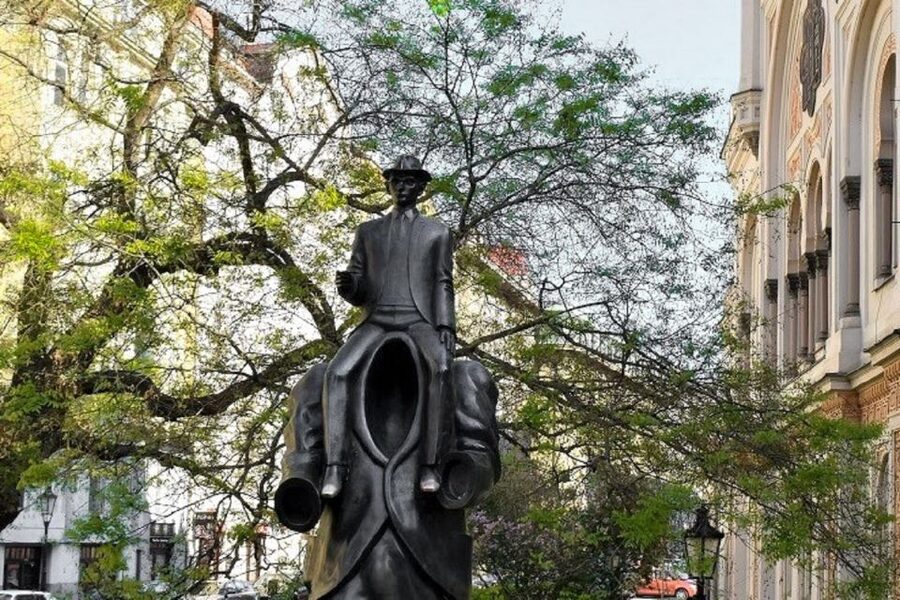
At $40 per person, the tour costs more than a basic free walking tour, but it offers a narrower subject and a live licensed guide. You are paying for interpretation, not simply transport or entry to an attraction.
The price includes the 150-minute guided experience and tea or coffee. It does not include admission tickets, so the value is strongest if you want a focused introduction to Kafka and Prague’s Jewish and literary setting rather than a package of museum visits.
I think the price is fair for readers who already enjoy Kafka, literature, or social history. The guides have the chance to answer questions, explain connections, and adjust the conversation. That is something a guidebook cannot easily provide while you are standing in the exact neighborhood.
For casual sightseers, the calculation is different. If you have no interest in Kafka and want only Prague’s headline sights, a general Old Town tour may offer more visual variety for your money. This walk earns its cost through detail and interpretation.
The reserve-now, pay-later option also gives you flexibility, and cancellation is free up to 24 hours before the start time. Those terms are useful if your Prague schedule is still moving, but the main value decision remains simple: choose this for stories and context, not for a long list of paid sights.
Who will enjoy this walk most
You are a strong match if you fall into one of these groups:
- You have read The Metamorphosis, The Trial, or The Castle and want to connect the author to real places.
- You enjoy literary biography and prefer a city walk to a formal lecture.
- You want to understand Prague’s German, Czech, and Jewish connections.
- You are visiting the Old Town and Josefov and want a more focused route through them.
- You are new to Kafka but like thoughtful stories about writers and cities.
- You want a guided introduction before visiting Prague’s Jewish Museum independently.
The tour may be less suitable if you dislike walking in all weather or prefer indoor attractions. It also may not satisfy you if you want to enter every building connected to Kafka. Much of the experience comes from listening to the guide explain what happened in places that may look plain today.
Practical advice for a better experience
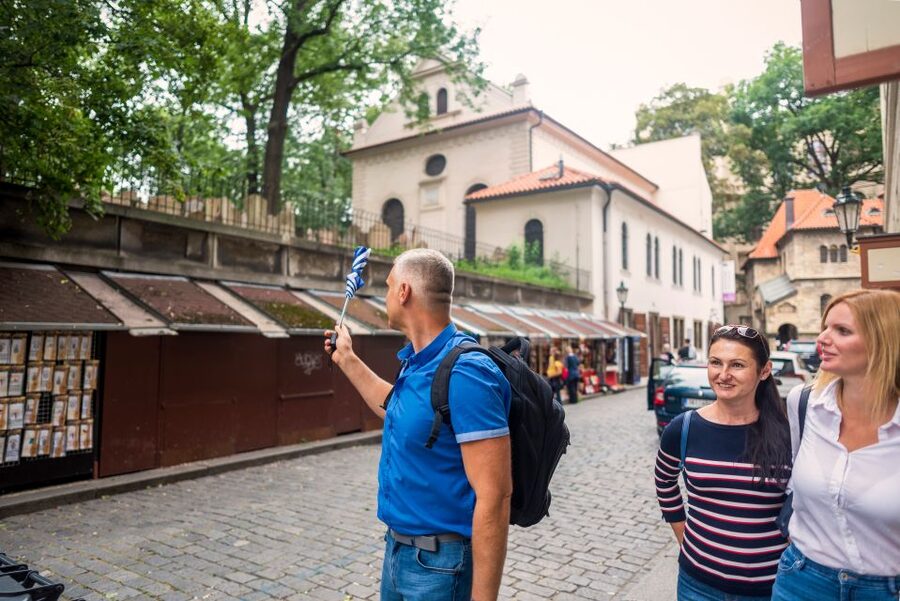
Read at least one short Kafka story before you go, but do not treat that as homework. The Metamorphosis is enough to give you a feel for his work, and the guide can then explain how his personal world and Prague setting add context.
Wear shoes suitable for city walking and dress for the forecast. The tour runs in all weather, and the route includes two hours of guided walking before the café stop.
Book it near the start of your stay if you want help getting oriented. The route covers a compact but important part of central Prague, and the guide’s comments about the city’s past can improve later visits to Old Town, Josefov, and nearby cultural sights.
If you have already visited the Jewish Museum, the tour can still work. It shifts attention from objects and interiors to Kafka’s daily life, family, education, romances, and literary setting. If you have not visited the museum, use the walk as a foundation, then plan a separate visit.
The tour is offered in English and German. Confirm your preferred language when checking availability, since starting times and language departures can vary.
Should you book the Kafka Prague tour?
Book it if you want Prague to feel like more than a collection of handsome squares and historic buildings. The walk gives Kafka a human setting and uses his life to explain the city’s Jewish past, cultural mix, politics, and literary character.
I would especially recommend it to Kafka readers, literature lovers, first-time visitors seeking orientation, and anyone who appreciates a guide who can answer difficult questions. The café stop, included drink, and return to the central meeting point make the 2.5-hour format easy to fit into a sightseeing day.
Skip it if your priority is interior access, grand monuments, or a broad survey of Prague’s top attractions. For everyone else, $40 buys a focused and thoughtful walk, with the quality resting mainly on the guide. Choose it for the stories, arrive ready for the weather, and give yourself time afterward to see Josefov from a new angle.
FAQ
How long is the Franz Kafka Prague tour?
The tour lasts 150 minutes, or 2.5 hours. The Old Town section takes about one hour, Josefov takes about one hour, and the local café stop takes about 30 minutes.
Where does the tour meet?
Meet your guide at the Get Prague Guide office at Maiselova 5, 110 00, Prague 1. The tour also returns to this location.
What languages are available?
The tour is offered in English and German. It includes a live licensed guide.
Is coffee or tea included?
Yes. Tea or coffee is included during the local café stop.
Are admission tickets included?
No. Admission tickets are not included. The tour focuses on guided walks near Kafka-related homes, schools, synagogues, salons, and other locations.
Can I cancel the tour for a full refund?
Yes. You can cancel up to 24 hours in advance for a full refund. You can also reserve now and pay later, subject to the booking terms.
Just added around Prague
- Prague Highlights 4 Hour Private Walking Tour★ 5.0 · 3 reviews
- VIP Prague Segway Tour Around Monastic Breweries★ 4.0 · 3 reviews
- Private Guided Tour from Prague to UNESCO Kutna Hora★ 5.0 · 3 reviews
- From Prague Day Unique Tour To Cesky Krumlov★ 4.5 · 3 reviews
- Cesky Krumlov: Insta-Perfect Walk with a Local★ 5.0 · 3 reviews
- Prague: WWII Tour with Local Historian SMALL GROUP★ 5.0 · 3 reviews
- Learn Traditional Czech Cooking from Authentic Family Recipes★ 5.0 · 3 reviews
- Prague Tour in Spanish★ 5.0 · 3 reviews
Tours, compared.
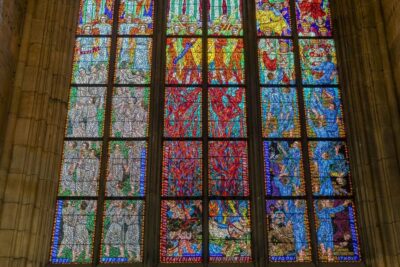
Castle Tour with Local Guide and Entry Ticket
Read our review →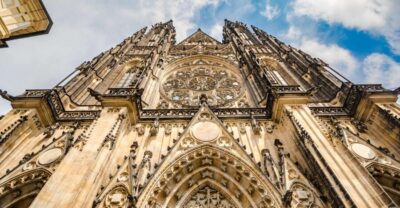
Prague Castle 2.5-Hour Tour Including Admission Ticket
Read our review →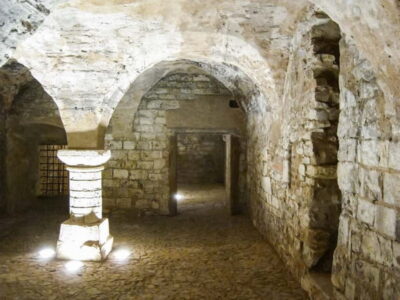
Oldtown, Medieval Underground & Dungeon History Tour
Read our review →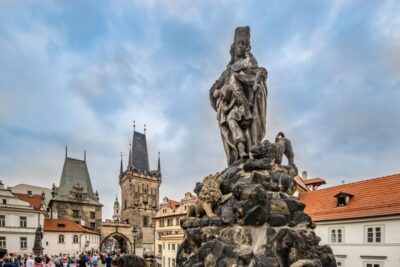
3-Hour Walking Tour of Old Town & Prague Castle
Read our review →
3-Hour Old Town and Prague Castle Tour in German
Read our review →
Ghost Walking Tour Where Legends Come To Life
Read our review →
Ghosts, Legends, Medieval Underground & Dungeon Tour
Read our review →