
Reviewed · TEREZíN MEMORIAL DAY TRIPS
Prague: Communists and World War II Tour
Prague’s modern story is written on ordinary streets, not only in grand palaces. This two-hour walk connects the creation of Czechoslovakia, Nazi occupation, Communist rule, the Soviet-led occupation, and the Velvet Revolution as you move from Charles Bridge toward Wenceslas Square. The 30-meter Stalin statue site gives the tour a striking Cold War focus.
I like the way the guides turn scattered places into one clear political story, and I like the chance to discuss what life under Communism meant for real people. Guides such as Barbara, Martin, Otakar, and Inna have been praised for answering questions and making difficult subjects understandable. The main drawback is that this is a talking-and-walking tour, not a parade of major monuments. One person also found the orange umbrellas confusing among several groups at Charles Bridge.
In This Review
- Key points to know before you book
- Prague’s 20th-century story starts at Charles Bridge
- Národní and the streets shaped by occupation
- New Town and the first years under Communism
- Wenceslas Square and the story of Jan Palach
- The Stalin statue site and the visual language of power
- Republic Square and the end of the route
- How the Museum of Communism fits in
- Price, pace, and what you get for $29
- Who should take this Prague history walk
- Should you book it?
- FAQ
- How long does the Prague Communists and World War II Tour last?
- How much does the tour cost?
- Where does the tour begin?
- How do I find the guide?
- What languages are available?
- Where does the route go?
- Is Museum of Communism entry included?
- What should I bring?
- Can I cancel the booking?
Key points to know before you book
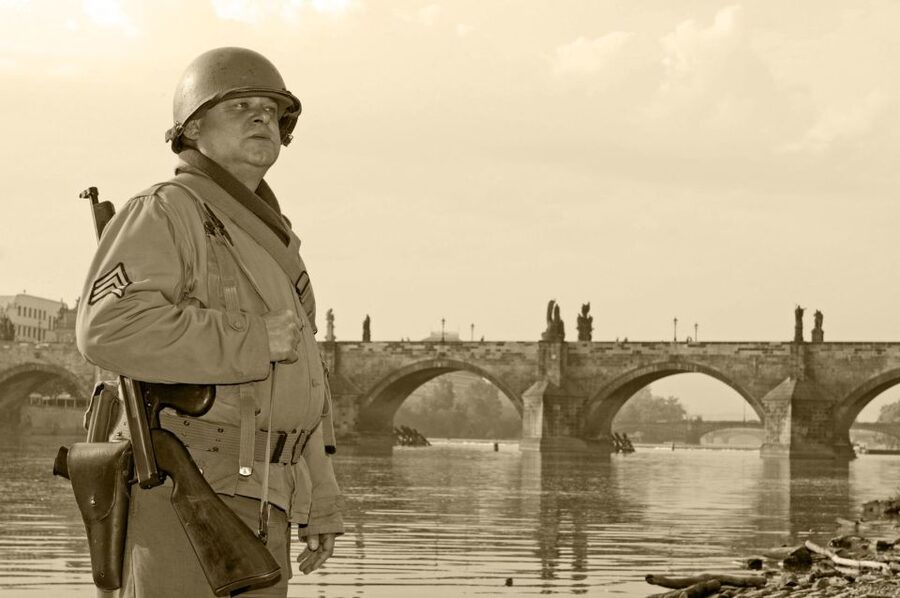
- The story runs from World War I to the Velvet Revolution: You get a connected account rather than a single-period war walk.
- The route crosses central Prague: Meet by the Charles Bridge and finish near Republic Square after stops around Národní and Wenceslas Square.
- The Stalin statue site adds a powerful visual: You see where a 30-meter monument once represented Communist power.
- The guides drive the experience: Barbara, Martin, Otakar, Inna, and others have been praised for clear explanations and lively discussion.
- Museum of Communism entry is optional: Choose the package with entry, or use the included 10% discount coupon separately.
- Bring comfortable shoes: The tour lasts two hours and is taken on foot.
Prague’s 20th-century story starts at Charles Bridge
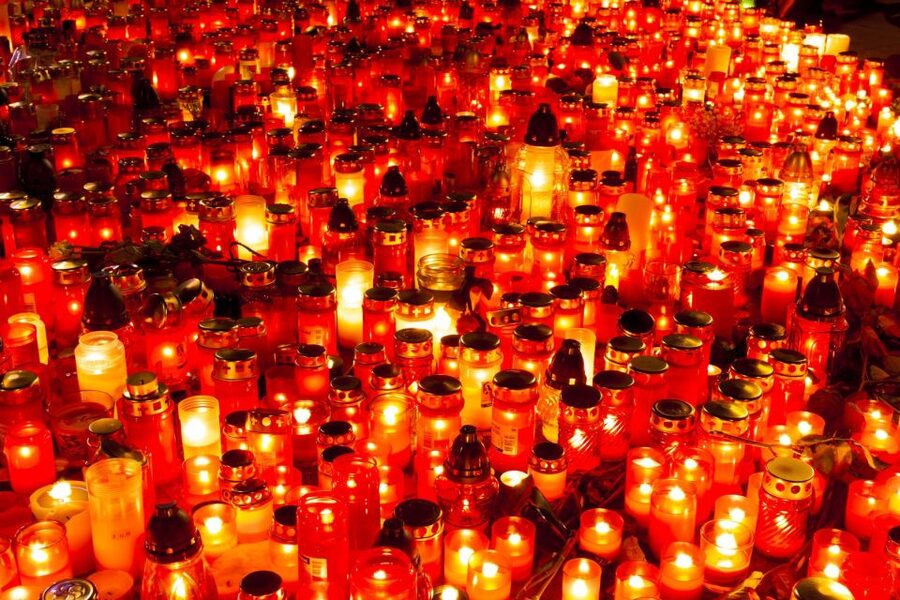
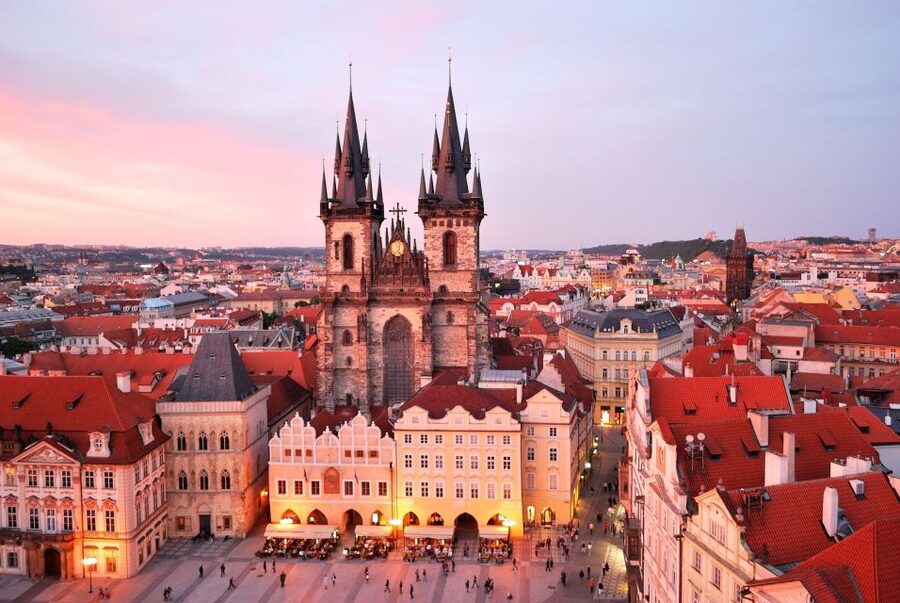
You meet in front of the Charles Bridge at Křižovnické Square, beside the statue of Charles IV. Look for the guide holding an orange umbrella. Staroměstská is the nearest tram or subway station, which makes this a handy starting point if you are already exploring Prague’s Old Town.
The opening location is more than a meeting spot. From here, your guide begins explaining how the collapse of the Austro-Hungarian Empire after World War I helped create Czechoslovakia. That early political change matters because the tour treats World War II and Communism as connected chapters, not isolated disasters.
I like this approach. If you only hear about the Nazi occupation, the later Communist takeover can seem like a separate story. Here, you follow the political pressures, broken hopes, and outside powers that shaped the country across the century.
The guide-led format also gives you room to ask questions. Several guides, including Martin, Otakar, Barbara, and Inna, have been praised for handling detailed questions about Czech political life and the changes that came after Communism. That matters on a subject where a short textbook summary can leave out the human side.
More Terezin memorial day trips:
- From Prague: Terezin Concentration Camp Guided Tour w/ Audio
★ 4.5 · 1,959 reviews - From Prague: Tour of Terezin Concentration Camp
★ 4.4 · 1,269 reviews - Prague: WWII Guided Tour & The Crypt of Operation Anthropoid
★ 4.7 · 1,030 reviews
Národní and the streets shaped by occupation
From Křižovnické Square, the walk heads toward Národní, or National Street. Along the way, the focus turns to the forces that led from World War I to World War II and the Nazi occupation of Prague.
You hear about streets where the Gestapo once operated and about the political upheaval that followed the German takeover. The tour also brings in Reinhard Heydrich, remembered as the butcher of Prague. His name helps put the occupation into sharper focus, since the Nazi system was not an abstract presence. It controlled institutions, punished resistance, and changed daily life.
Do not expect preserved wartime buildings at every stop. This is one of the tour’s limitations. Much of the value comes from the guide explaining what happened in places that may look ordinary today. If you want a long list of intact wartime structures, this may feel light on visible remains.
For me, that is also part of the point. Prague’s 20th-century history is easy to miss if you only look at Gothic towers and Baroque churches. A street corner can carry a political story even when no dramatic marker announces it.
The tour’s strongest guides appear to make this work by linking the locations to specific people and decisions. You might hear about acts of resistance, the cost of obedience, and the choices made by Czechs living under occupation. The exact balance depends on the guide and the questions in your group.
New Town and the first years under Communism
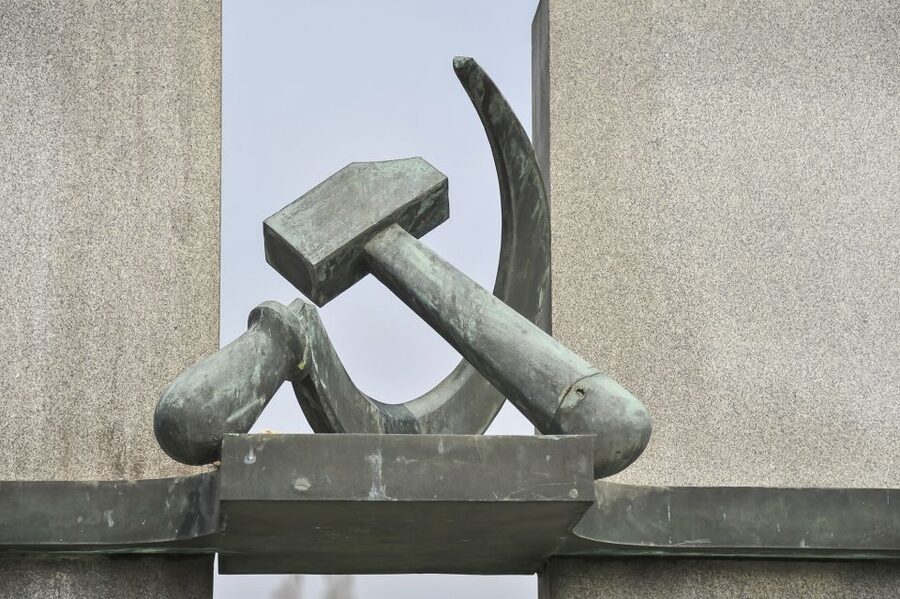
The route continues through Prague’s New Town, where the story moves from Nazi rule to the postwar political shift. The end of World War II did not bring a simple return to normal life. Czechoslovakia entered a new period in which Soviet influence grew and Communist power took hold.
This is where the tour explains life under Communism after World War II. The subject includes censorship, restricted political choice, and the effect of the Iron Curtain on everyday life. One particularly useful feature is the chance to ask what still remains in people’s memories of that period and how the country changed after 1989.
The guides do not treat Communism only as a list of dates. They discuss its impact on Czechoslovakia and the Czech Republic, including the treatment of black-listed books and the pressure placed on people who challenged the system. The story of Milada Horáková is especially important here. Her opposition to Communism and her extraordinary stand against the regime show the personal cost of political repression.
I would give this section your full attention. Many first-time visitors know Prague as a medieval city, but fewer understand why modern Czech politics can feel so closely tied to questions of memory, courage, and foreign control. This walk helps bridge that gap.
The tour is also a useful choice if you are already familiar with World War II but know less about Central Europe after 1945. The Communist period receives serious attention rather than being treated as a quick final chapter.
Wenceslas Square and the story of Jan Palach
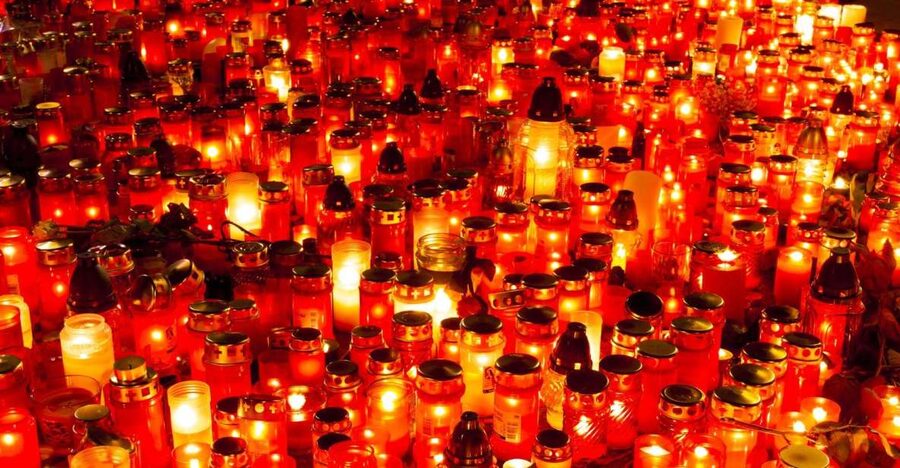
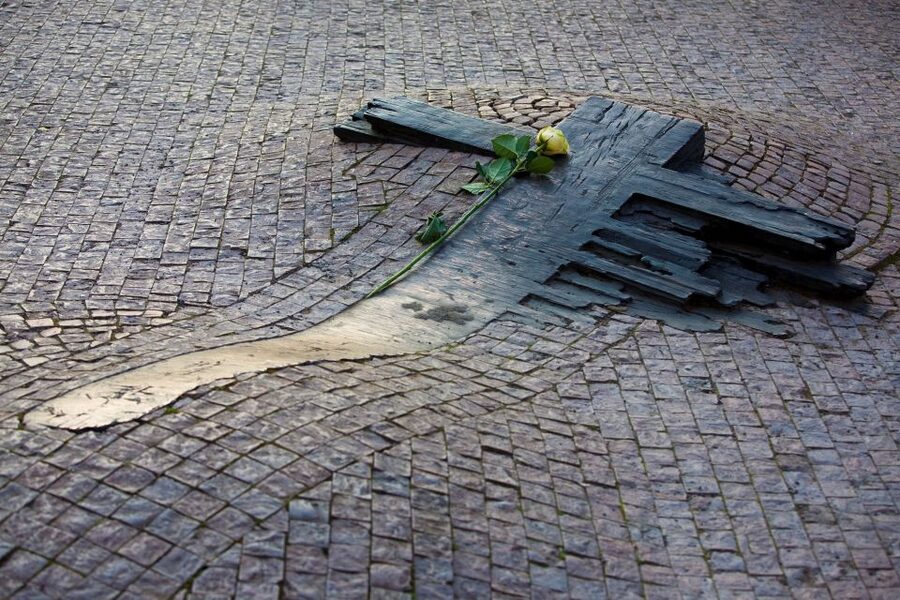
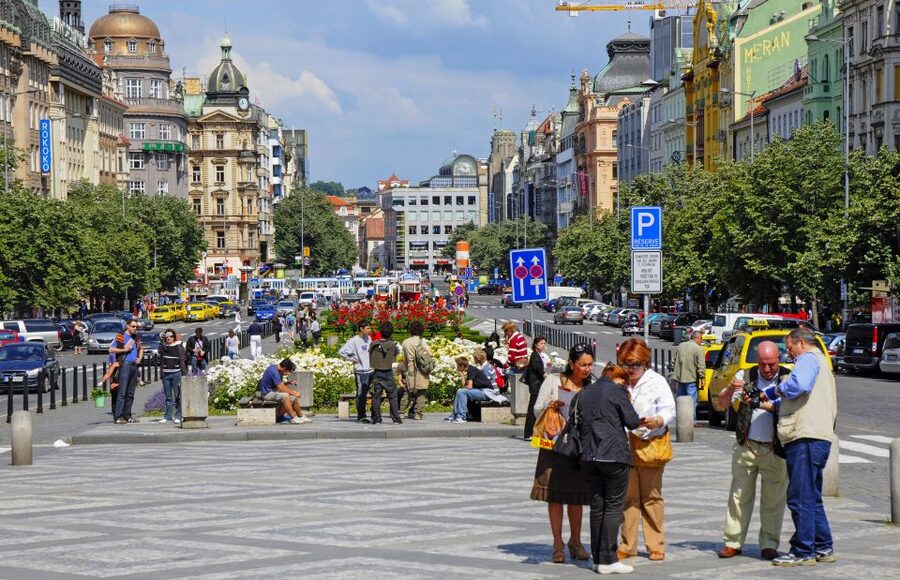
Wenceslas Square is one of the key stops, and it gives the tour its clearest sense of public protest. The square has been tied to major moments in Czech political life, making it an ideal place to discuss the Russian occupation, resistance, and the eventual collapse of Communist rule.
Here, your guide explains why student Jan Palach set himself on fire. His act became one of the most painful symbols of opposition to the occupation and the loss of political freedom. You also hear how black-listed books were burned and how censorship shaped public life.
This section can be emotionally heavy, but the guide’s job is to explain the events without turning them into a dramatic show. The best experience will come from listening closely and asking questions. A number of guides have been praised for keeping the discussion open and for explaining both the official story and the effect these events had on ordinary people.
Wenceslas Square also helps you understand the Velvet Revolution. The tour shows how earlier acts of protest, public frustration, and the memory of political repression fed into the peaceful movement that brought Communist rule to an end.
You may find the square visually busy with modern shops and traffic, so do not expect a perfectly preserved historical setting. Its importance lies in what happened there and in how the guide connects those events to the wider story of Prague.
Same city, a completely different afternoon:
- Prague: 50-Minute Sightseeing Evening Cruise
★ 4.2 · 33,780 reviews - Prague: Medieval Dinner with Unlimited Drinks
★ 4.4 · 19,847 reviews - Prague: Skip-the-line Castle Ticket and Optional AudioGuide
★ 4.3 · 11,121 reviews - Prague: Castle Tour with Local Guide and Entry Ticket
★ 4.6 · 10,422 reviews
The Stalin statue site and the visual language of power
The walk includes the site of a dramatic 30-meter-high statue of Stalin. The monument’s scale is the point. It showed how Communist governments used public space to project power and shape the way people saw their leaders.
Today, the value of the stop is less about admiring a surviving statue and more about understanding what it represented. Your guide explains the Communist Revolution and the place of Soviet influence in postwar Czechoslovakia. The statue site becomes a simple way to discuss propaganda, political authority, and the changing meaning of public monuments.
This is one of the tour’s most distinctive details. Prague has plenty of famous landmarks, but a vanished political monument tells you something different from a castle or church. It shows how quickly official symbols can be built, imposed, rejected, and removed.
The stop also helps break up the more abstract parts of the tour. Political systems can be hard to picture when they are explained only through speeches and dates. A 30-meter statue makes the scale of the message plain.
Still, this is not a full monument tour. The guide may spend more time explaining the symbolism than describing a large physical structure you can enter or inspect. If you prefer museum displays and preserved interiors, pair this walk with the Museum of Communism.
Republic Square and the end of the route
The walk finishes around Republic Square in central Prague. By this point, you have followed the country through the creation of Czechoslovakia, World War II, Nazi occupation, Communist rule, Soviet occupation, and the Velvet Revolution.
The ending is useful because it leaves you with a broad timeline. You can see how one political change led into another, and how decisions made outside Prague affected the streets under your feet. The tour does not simply stop at the end of the Cold War. It also considers how Prague and the Czech Republic carried the past into the present.
The route covers a lot in two hours, so expect a brisk introduction rather than a university seminar. Guides such as Otakar and Barbara have been praised for fitting a large amount into the time, while other participants appreciated the chance to pause for questions and discussion. Your experience will depend partly on the pace and size of your group.
The walk also gives you useful orientation for the rest of your visit. You pass through Národní, New Town, Wenceslas Square, and Republic Square, areas you are likely to revisit for restaurants, shopping, museums, or public transport.
How the Museum of Communism fits in
The Museum of Communism can be included when you book the appropriate option. If you do not select museum entry, you receive a 10% discount coupon instead. Check the option carefully so you know whether the admission ticket is part of your booking or whether you are using the discount later.
The museum works well after the walking tour because the walk gives you the political framework first. Displays and objects are easier to place when you already understand the sequence from postwar Communist rule to the Velvet Revolution.
One point worth knowing is that a film connected with the museum experience may feel repetitive after a very thorough guide explanation. That does not make the museum a poor addition, but you may prefer the museum for its visual material and the guide for its discussion and local context.
I would choose the museum option if you want more time with the Communist period. Choose the walk and discount if you prefer flexibility or already plan to visit other museums.
Price, pace, and what you get for $29
At $29 per person, this is a fair price for a two-hour guided walk, especially if you want help making sense of Prague’s modern political past. You are paying for a local guide who can connect locations, names, and events, not for a long list of admission tickets.
The value rises if you ask questions. Guides including Martin, Otakar, Barbara, Inna, and others have been praised for their ability to discuss life during Communism, the years after the regime, and current issues in Prague and the country. A quiet group may get more conversation than a large one.
The price is less compelling if you want a sightseeing route packed with famous buildings. There is plenty to see on the way, but the main product is explanation. I would book this after a general city orientation, or early in your stay if modern history is one of your main interests.
The tour lasts two hours, and comfortable shoes are essential. You will be walking through central Prague, with no suggestion that the route is designed for people who want to remain seated. Alcohol and drugs are not allowed.
Free cancellation is available up to 24 hours before the start for a full refund, and you can reserve now and pay later. Those policies make it easier to place the tour in a changing Prague schedule.
Who should take this Prague history walk

I recommend it most to adults, students, and curious first-time visitors who want more than Prague’s medieval center. It suits anyone asking why the Czech Republic’s 20th century still feels present in its public spaces and political conversations.
It is also a good fit if you know the broad outline of World War II but want to understand the transition into Communism. The tour gives particular attention to censorship, Soviet occupation, Jan Palach, Milada Horáková, and the Velvet Revolution.
Families can book it, but the subject is serious and the experience is built around listening. One parent chose to leave the children behind because it felt more like a knowledge-focused tour than a sightseeing outing. That is useful guidance: older teenagers may appreciate it, while younger children may lose interest.
The tour runs in English, German, or Russian. Since the guide shapes the experience, joining with an open mind and a few questions will help. The guide may be Barbara, Martin, Otakar, Inna, or another member of the local team.
Should you book it?
Book this tour if you want Prague’s modern history explained in a clear sequence, with real places attached to the story. The strongest reasons to go are the guides, the discussion of life under Communism, the Stalin statue site, and the way the walk links World War I to the Velvet Revolution.
Skip it if you want a purely visual tour, a war memorial route, or a relaxed stroll with little commentary. For everyone else, $29 is a sensible way to understand the Prague beyond its castles and church towers. Meet by Charles Bridge, find the correct orange umbrella, wear comfortable shoes, and come ready to ask questions.
FAQ
How long does the Prague Communists and World War II Tour last?
The walking tour lasts two hours.
How much does the tour cost?
The listed price is $29 per person.
Where does the tour begin?
It begins in front of Charles Bridge at Křižovnické Square, next to the statue of Charles IV.
How do I find the guide?
The guide will be holding an orange umbrella. Several groups may use orange umbrellas, so check carefully that you have found the correct guide.
What languages are available?
The tour is offered in English, German, and Russian.
Where does the route go?
The route includes Křižovnické Square, Národní, New Town, Wenceslas Square, and Republic Square.
Is Museum of Communism entry included?
Museum entry is included only if you select the option with the entry ticket. Otherwise, you receive a 10% discount coupon for the museum.
What should I bring?
Bring comfortable shoes for the two-hour walking route.
Can I cancel the booking?
You can cancel up to 24 hours in advance for a full refund. You can also reserve now and pay later.
Just added around Prague
- Prague Highlights 4 Hour Private Walking Tour★ 5.0 · 3 reviews
- VIP Prague Segway Tour Around Monastic Breweries★ 4.0 · 3 reviews
- Private Guided Tour from Prague to UNESCO Kutna Hora★ 5.0 · 3 reviews
- From Prague Day Unique Tour To Cesky Krumlov★ 4.5 · 3 reviews
- Cesky Krumlov: Insta-Perfect Walk with a Local★ 5.0 · 3 reviews
- Prague: WWII Tour with Local Historian SMALL GROUP★ 5.0 · 3 reviews
- Learn Traditional Czech Cooking from Authentic Family Recipes★ 5.0 · 3 reviews
- Prague Tour in Spanish★ 5.0 · 3 reviews
Terezín Memorial Day Trips, compared.
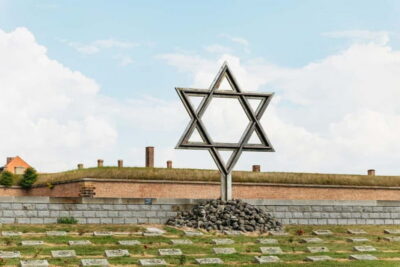
Terezin Concentration Camp Guided Tour w/ Audio
Read our review →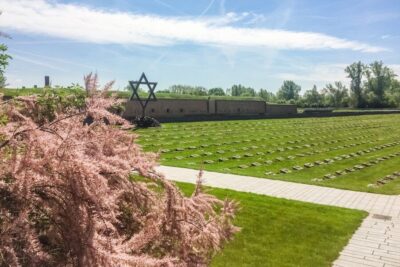
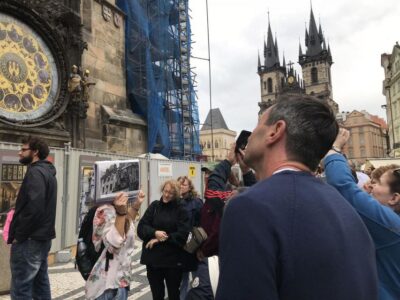
WWII Guided Tour & The Crypt of Operation Anthropoid
Read our review →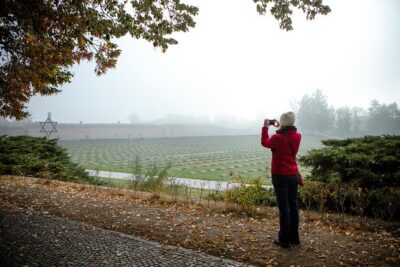
Terezin Concentration Camp Day Tour from Prague
Read our review →
WWII in Prague Tour & The Crypt of Operation Anthropoid
Read our review →
Terezin & Bohemian Switzerland from Prague: Bastei, Narnia & Café
Read our review →Browse the lists this tour appears in