
Reviewed · TEREZíN MEMORIAL DAY TRIPS
Prague: WWII Guided Tour & The Crypt of Operation Anthropoid
The most powerful part of this Prague WWII tour comes at the end: you enter the crypt where the men of Operation Anthropoid made their final stand. By then, the streets, photographs, artifacts, and stories have given you a clear picture of how the mission unfolded and what it meant to people living under Nazi rule.
I like two things right away. First, the tour connects ordinary Old Town streets with specific wartime events, rather than treating Prague’s past as a list of dates. Second, the guide uses old photographs and original objects, so you can compare occupied Prague with the city in front of you. The main drawback is the amount of walking, and the tour runs rain or shine.
In This Review
- Key points to know
- Starting at Prague’s Powder Tower
- Reading wartime Prague in the Old Town
- Beneath the 12th-century U Kunštátů palace
- Understanding Operation Anthropoid before the crypt
- Entering Saints Cyril and Methodius Cathedral
- The Prague Uprising and the wider city story
- Walking distance, tram travel, and timing
- Is $42 a fair price?
- Who will enjoy this tour most?
- Should you book the Prague WWII tour?
- FAQ
- Where does the tour meet?
- How will I recognize the guide?
- What language is the tour conducted in?
- How long does the tour last?
- Is transportation included?
- What places are included?
- Is the tour suitable for wheelchair users?
- Can I bring a stroller?
- What happens if it rains?
Key points to know
- The crypt is the emotional centerpiece: Visit the museum beneath Saints Cyril and Methodius Cathedral, where the story of Operation Anthropoid reaches its grim final chapter.
- Old Town becomes a history lesson: Look for wartime scars, resistance locations, Jewish Stumbling Stones, and places easy to miss on a standard city walk.
- Real objects add weight: The private WWII collection includes artifacts and memorabilia, with some items available to handle under the guide’s supervision.
- Guides make the difference: Pavel, Paul, Hannah, George, Anna, and Ottokar are among the guides praised for clear storytelling, humor, and strong command of the subject.
- A tram ride is included: Your guide provides the public transport ticket, giving the walking route a practical change of pace.
- Wear good shoes: The route lasts about 150 minutes, though some groups have taken closer to three hours, and winter streets can be slippery.
Starting at Prague’s Powder Tower
Meet your guide about 30 meters in front of the Powder Tower at Republic Square, near the green kiosk. The metro stop is Náměstí Republiky, and the guide carries a black umbrella with a white logo.
This is a useful starting point because the Powder Tower places you right at the edge of Prague’s historic center. You are not wasting time on a long transfer from a hotel or an outlying neighborhood. Hotel pickup is not included, so plan to reach Republic Square on your own.
The guide begins by setting the scene for Prague before, during, and after World War II. That context matters. Operation Anthropoid was not an isolated act of heroism, and the tour works best when you understand the political pressure, occupation, resistance networks, and civilian danger surrounding it.
The English-language presentation is live and conversational. Guides such as Pavel, Paul, Hannah, George, Anna, and Ottokar have been praised for explaining complicated events clearly, answering questions, and adding dry humor where appropriate. The tone is serious, but it is not a grim lecture from start to finish.
More Terezin memorial day trips:
- From Prague: Terezin Concentration Camp Guided Tour w/ Audio
★ 4.5 · 1,959 reviews - From Prague: Tour of Terezin Concentration Camp
★ 4.4 · 1,269 reviews - Terezin Concentration Camp Day Tour from Prague
★ 4.0 · 1,007 reviews
Reading wartime Prague in the Old Town
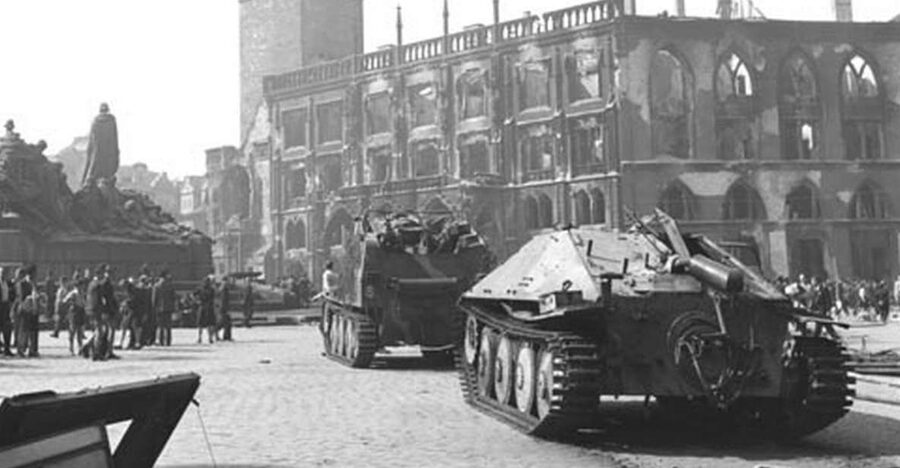
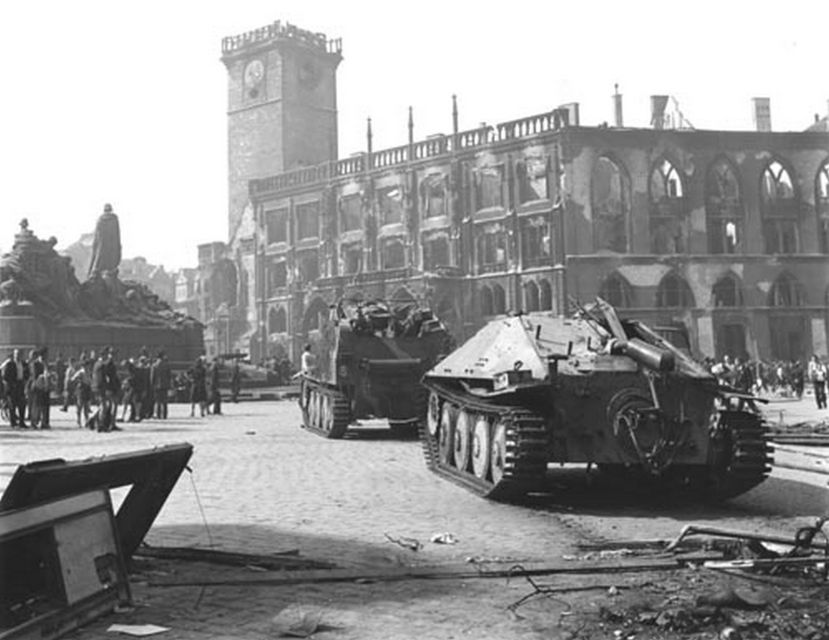
The first walking section takes you through central Prague, using streets and buildings as evidence. You will hear about the city during Nazi occupation and see places where the physical marks of the war remain.
That approach gives the tour a useful local scale. Instead of hearing only about military decisions made far away, you learn how those decisions affected Prague’s residents. The story includes resistance, repression, civilian courage, and the Prague Uprising.
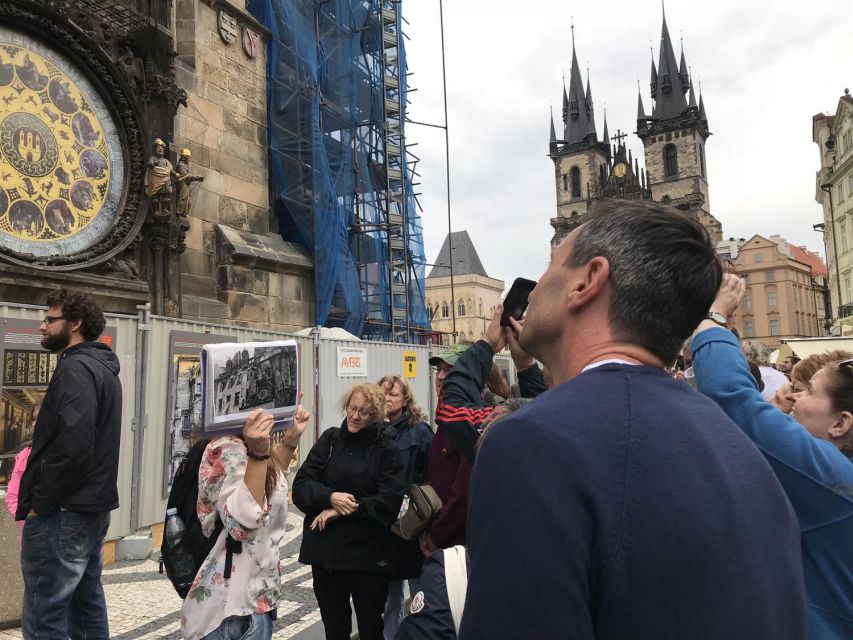
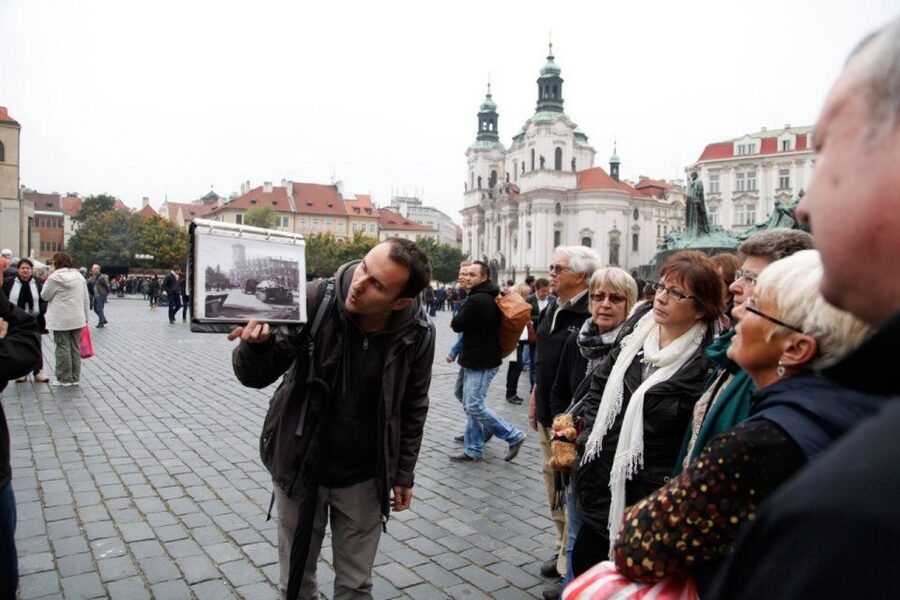
I especially like the use of old photographs. A guide may hold up an image of occupied Prague beside the modern street, helping you notice how much has changed and what has survived. A folder of printed pictures or a simple flip chart can be more effective here than a phone screen. Everyone can see it, and the comparison keeps the explanation tied to the actual place.
The route also includes Jewish Stumbling Stones, small memorial markers set into pavements for people murdered by the Nazis. They are easy to pass without noticing, so having them pointed out adds another layer to the walk. The tour does not treat wartime Prague as one single story. It brings together occupation, resistance, Jewish persecution, and the wider effect on the city.
Expect plenty of information. Guides often explain the background and consequences of events in detail, and history enthusiasts will appreciate that depth. If you prefer a very light introduction with little discussion, this may feel demanding.
Beneath the 12th-century U Kunštátů palace
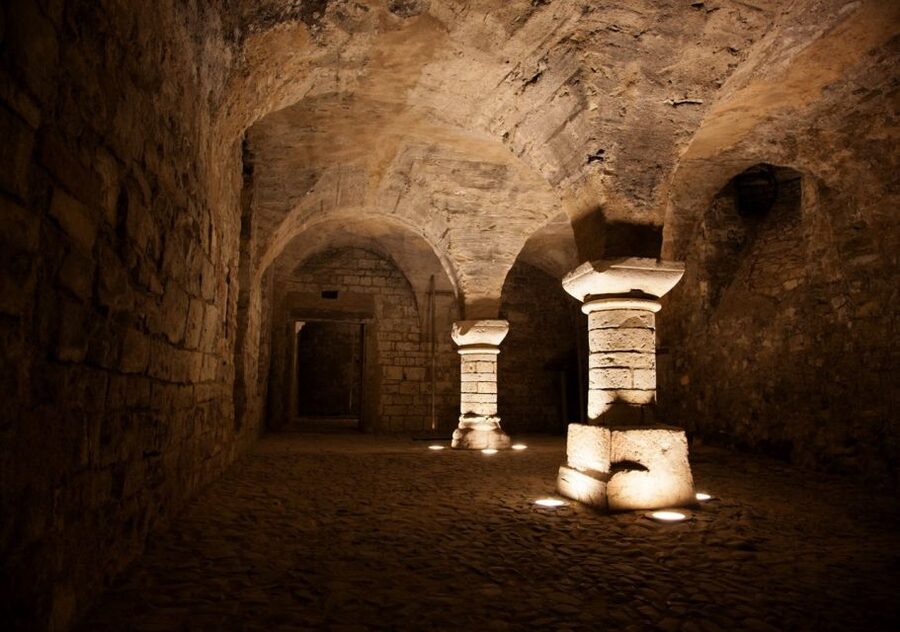
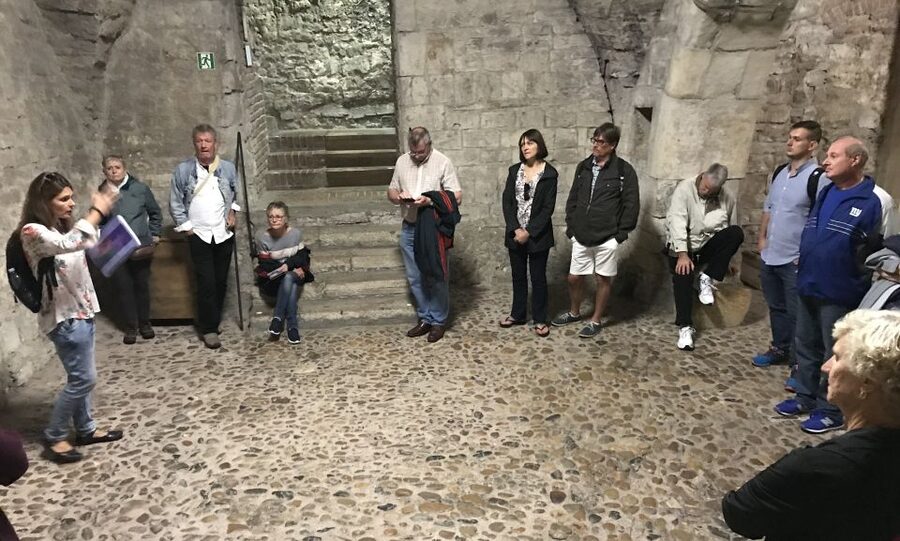
One of the more unusual stops is the underground area of U Kunštátů, a 12th-century palace in the center of Old Town. The medieval cellars served as a makeshift shelter during the war, and their atmosphere helps move the story away from grand monuments and toward everyday survival.
The setting is valuable because it shows how old Prague buildings were put to practical use during a dangerous period. You are not simply viewing a display in a modern room. You are below street level, in an older space that connects Prague’s medieval fabric with its 20th-century wartime experience.
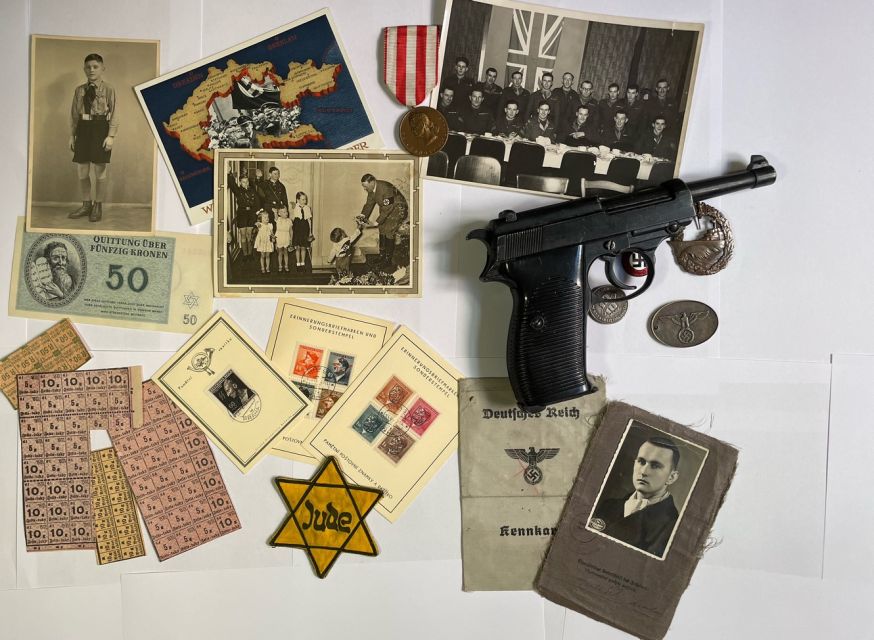
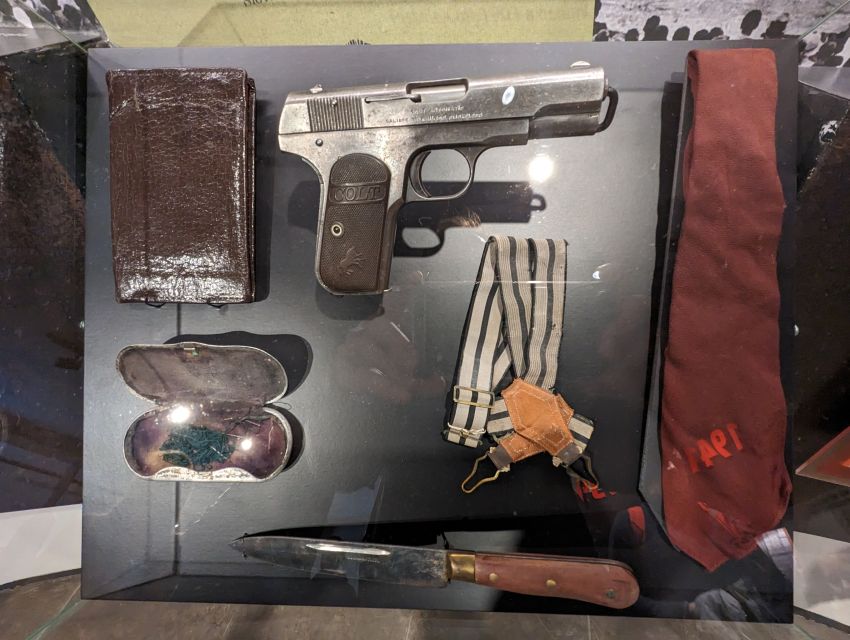
Here you also see a private collection of WWII artifacts and memorabilia. The collection gives the guide a chance to discuss objects rather than rely only on dates and names. Depending on the guide and the objects presented, you may be able to handle some original pieces, an unusual feature that several participants particularly enjoyed.
Treat the collection as a personal, focused presentation rather than a major national museum. That is part of its appeal. The objects feel close to the guide’s storytelling, and the display can prompt questions about daily life, propaganda, uniforms, equipment, and the people caught in the war.
One practical detail: some tour groups have viewed the memorabilia in a pub setting. That can make the stop feel informal and personal, but it is not the same as visiting a large, carefully labeled museum. If you want extensive exhibition text and a broad institutional collection, visit one of Prague’s dedicated museums separately.
Understanding Operation Anthropoid before the crypt
The tour builds toward Operation Anthropoid, the resistance mission aimed at Reinhard Heydrich, one of the Nazi regime’s most feared figures. The guide explains the mission’s purpose, the key decisions behind it, and the dangers faced by the agents and their helpers.
This gradual build-up is one of the tour’s strongest features. By the time you reach the cathedral, you have already heard the background. The crypt is not treated as a random final stop where you receive a quick explanation and move on.
You learn about the men involved, the citizens who helped them, and the heavy price paid by people connected to the resistance. The story also shows why the mission mattered beyond the attack itself. It raises hard questions about resistance, retaliation, sacrifice, and the choices made under occupation.
A good guide keeps the line between established fact and later legend clear. This is especially useful in a story that has been told in books, films, and popular accounts. The tour’s strength is not just suspense. It is the attempt to place the operation within Czech history and the wider war.
The guides use a mix of spoken explanation, photographs, and personal insight. Pavel has been praised for his command of Czech history and for questioning key decisions in a thoughtful way. Hannah is noted for separating legend from fact. Ottokar has been singled out for explaining small but important details that can easily be missed.
A few more Prague half-days to weigh up
- Prague: Castle Tour with Local Guide and Entry Ticket
★ 4.6 · 10,422 reviews - Prague: Klementinum Library & Astronomical Tower Guided Tour
★ 4.5 · 5,050 reviews - Prague Guided Walking Tour and Cruise with Authentic Czech Lunch
★ 5.0 · 3,627 reviews - Prague: Old Town and Jewish Quarter Guided Tour in German
★ 4.8 · 3,143 reviews
Entering Saints Cyril and Methodius Cathedral
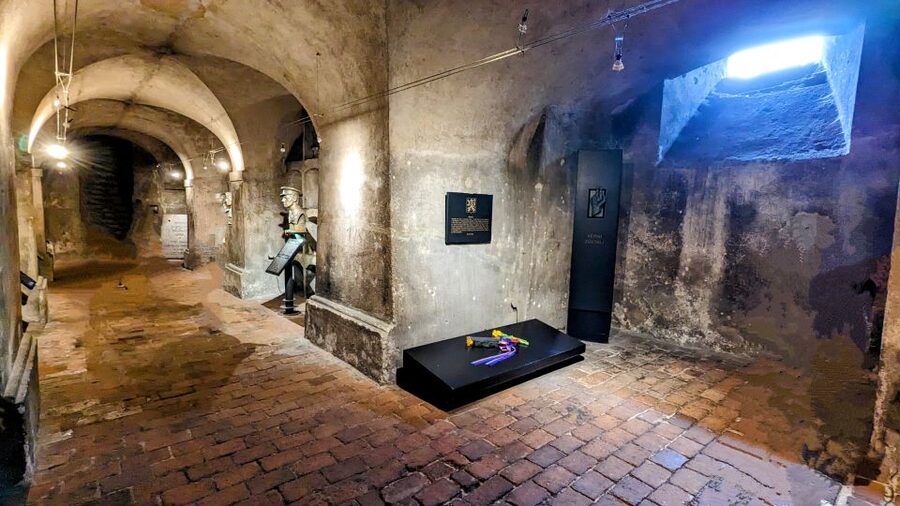
The final major stop is the Saints Cyril and Methodius Cathedral and the crypt below it. The museum documents Operation Anthropoid and the resistance fighters who sheltered there.
This is the moment when the earlier walk pays off. You have seen the city above ground, learned about the occupation, and followed the mission’s chain of events. Now the physical space makes the story immediate.
The crypt is a sober place, and the visit is best approached with patience. It is not a theatrical attraction. The power comes from the knowledge that real people hid there while facing overwhelming danger. Your guide explains the significance of the rooms and the events connected to them, then gives you space to take in the museum and crypt.
Some guides end the spoken portion before you enter, allowing you to continue through the church and crypt at your own pace. That arrangement can work well because the final stop does not feel rushed or over-scripted.
The church and crypt are especially important for anyone interested in resistance history. You see where the seven men died and gain a clearer sense of the courage and sacrifice involved. The experience can be emotional, but the tour generally reaches that point through facts and careful explanation rather than forced drama.
The Prague Uprising and the wider city story
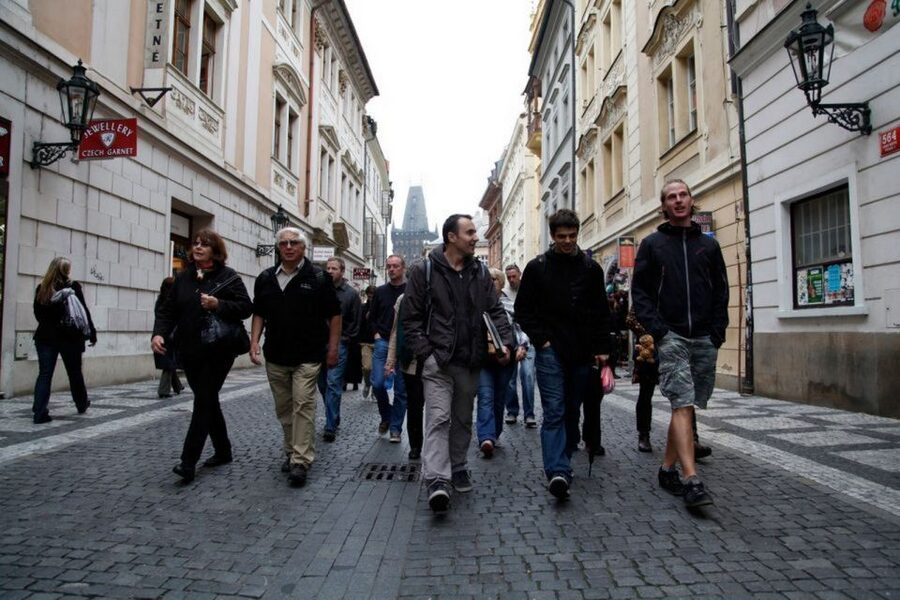
Operation Anthropoid is the headline subject, but the tour also covers the Prague Uprising and the broader experience of World War II in the city. That wider view makes the tour more useful than a single-site visit.
You learn about the people who resisted quietly, helped others, or faced the Nazi regime in less visible ways. These civilians are part of the story, not just background figures. The tour shows how resistance depended on networks of ordinary people, and how dangerous even small acts of help could become.
The Prague Uprising adds another layer by showing the city in open revolt near the end of the war. Rather than presenting liberation as a simple final scene, the guide explains the tension and uncertainty surrounding the city’s final wartime days.
The result is a fuller picture of Prague. You see the city as a place of occupation, fear, courage, and political change. That is why the tour appeals not only to dedicated WWII followers, but also to anyone who wants to understand modern Czech history through the streets they are visiting.
Walking distance, tram travel, and timing
The advertised duration is 150 minutes. That is a manageable half-day activity, but do not assume it is a short stroll around one square. The route covers several locations, includes indoor stops, and uses public transport for part of the journey.
A tram ride breaks up the walking and helps connect central Prague with the cathedral. The public transport ticket is included, and the guide organizes that part of the trip. This is a small practical benefit, especially if you are unfamiliar with Prague’s ticket system.
You should still wear comfortable walking shoes. One group found the route strenuous, while another completed it in icy conditions and found the slippery streets added to the challenge. The exact feel will depend on weather, pace, and the group, but this is not the right choice for anyone hoping to avoid walking.
The tour operates rain or shine. Bring suitable clothing and allow a little flexibility around the 150-minute estimate. Some groups have reported a tour closer to three hours, especially when questions and explanations extend the visit.
The activity is stroller accessible, but it is not suitable for wheelchair users. Pets are not allowed, though service animals are allowed. There is no hotel pickup or drop-off.
Is $42 a fair price?
At $42 per person, the price is reasonable if you want several connected experiences in one booking. You receive a live English-speaking guide, the U Kunštátů underground entry, access to the cathedral and crypt, the private WWII collection, and a public transport ticket.
The value depends on how much context you want. You could visit the cathedral and crypt independently, but you would miss the long lead-up through Old Town, the wartime photographs, the personal artifacts, and the explanation of how the sites fit together.
The private collection is also important when judging the price. It is not a substitute for a major museum, but original objects and the chance to discuss them directly with the guide add something that a standard walking tour may not provide.
I would consider the tour good value for a history-focused visitor, especially on a first Prague visit. If you already know the Operation Anthropoid story well and plan to visit the crypt independently, you may prefer to spend $42 on a larger museum or a different part of the city.
Free cancellation up to 24 hours before the start gives you useful flexibility, and you can reserve now without paying immediately. Those terms help if your Prague schedule is still changing.
Who will enjoy this tour most?
I would choose this tour if you:
- Want a serious look at Prague during WWII
- Are interested in Operation Anthropoid and resistance history
- Prefer a guide who explains cause and effect, not just isolated facts
- Enjoy seeing original photographs, objects, and historic locations
- Are happy to walk through central Prague in changing weather
- Want to connect the Jewish Quarter, Old Town, the uprising, and the crypt in one outing
It is also a good choice for history buffs who want to ask questions. The guides have handled subjects ranging from the war itself to Czech history, local sites, and the difference between accepted fact and later storytelling.
I would think twice if you need step-free access, dislike long spoken explanations, or want a quiet museum visit with no group pace. The tour is information-heavy, and the final crypt visit carries serious emotional weight.
Should you book the Prague WWII tour?
Book it if you want the crypt to mean more than a quick stop on a sightseeing list. The most praised elements are the guides’ passion, the careful use of photographs, the private artifacts, and the way the story connects real streets with real decisions.
Pavel, Paul, Hannah, George, Anna, and Ottokar are among the guides associated with especially strong presentations, though your guide will depend on the date. Wear sturdy shoes, prepare for a lot of information, and keep your schedule loose enough for a tour that may run beyond the stated 150 minutes.
For a visitor drawn to WWII, Czech resistance, and the human cost of occupation, this is a worthwhile use of half a day. For a casual sightseer seeking a quick overview, it may ask for more attention than expected.
FAQ
Where does the tour meet?
Meet about 30 meters in front of the Powder Tower at Republic Square, near the green kiosk. The closest metro stop is Náměstí Republiky.
How will I recognize the guide?
The guide will be holding a black umbrella with a white logo.
What language is the tour conducted in?
The tour is conducted in English with a live guide.
How long does the tour last?
The stated duration is 150 minutes. Some groups have found that the experience can take closer to three hours.
Is transportation included?
Yes. A public transportation ticket is included, and the route includes a tram ride.
What places are included?
The tour includes a guided walk through Prague’s Old Town, the underground cellars of U Kunštátů palace, a private WWII collection, and the Saints Cyril and Methodius Cathedral and crypt.
Is the tour suitable for wheelchair users?
No. The activity is not suitable for wheelchair users.
Can I bring a stroller?
Yes. The tour is listed as stroller accessible.
What happens if it rains?
The tour operates rain or shine, so you should dress for the weather. Pets are not allowed, but service animals are allowed.
Just added around Prague
- Prague Highlights 4 Hour Private Walking Tour★ 5.0 · 3 reviews
- VIP Prague Segway Tour Around Monastic Breweries★ 4.0 · 3 reviews
- Private Guided Tour from Prague to UNESCO Kutna Hora★ 5.0 · 3 reviews
- From Prague Day Unique Tour To Cesky Krumlov★ 4.5 · 3 reviews
- Prague: WWII Tour with Local Historian SMALL GROUP★ 5.0 · 3 reviews
- Cesky Krumlov: Insta-Perfect Walk with a Local★ 5.0 · 3 reviews
- Learn Traditional Czech Cooking from Authentic Family Recipes★ 5.0 · 3 reviews
- Prague Tour in Spanish★ 5.0 · 3 reviews
Terezín Memorial Day Trips, compared.
Terezin Concentration Camp Guided Tour w/ Audio
Read our review →
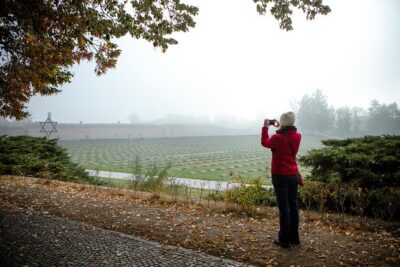
Terezin Concentration Camp Day Tour from Prague
Read our review →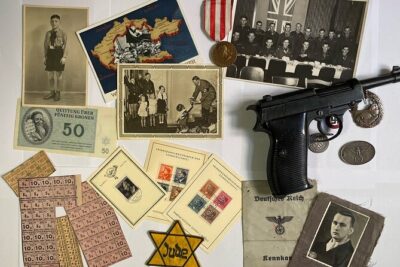
WWII in Prague Tour & The Crypt of Operation Anthropoid
Read our review →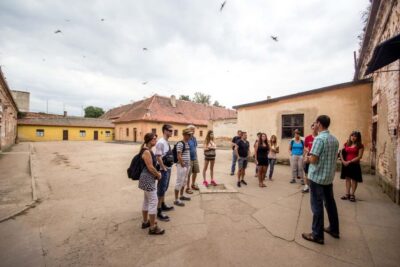
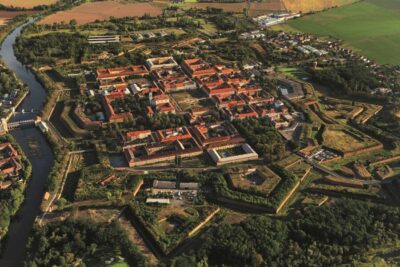
Terezin & Bohemian Switzerland from Prague: Bastei, Narnia & Café
Read our review →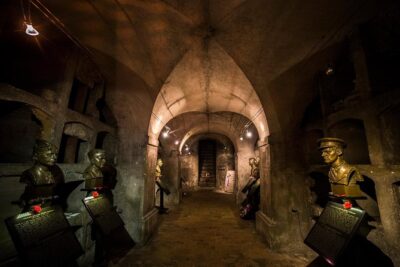
Small-Group World War 2 & Operation Anthropoid Tour in Prague
Read our review →Browse the lists this tour appears in