
Reviewed · TEREZíN MEMORIAL DAY TRIPS
World War II 4WD Tour from Prague with Lunch
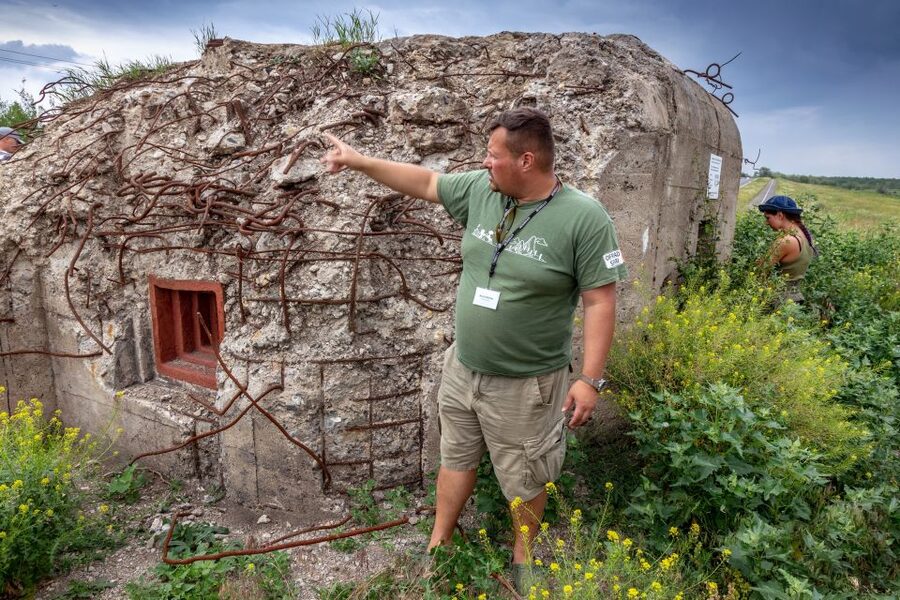
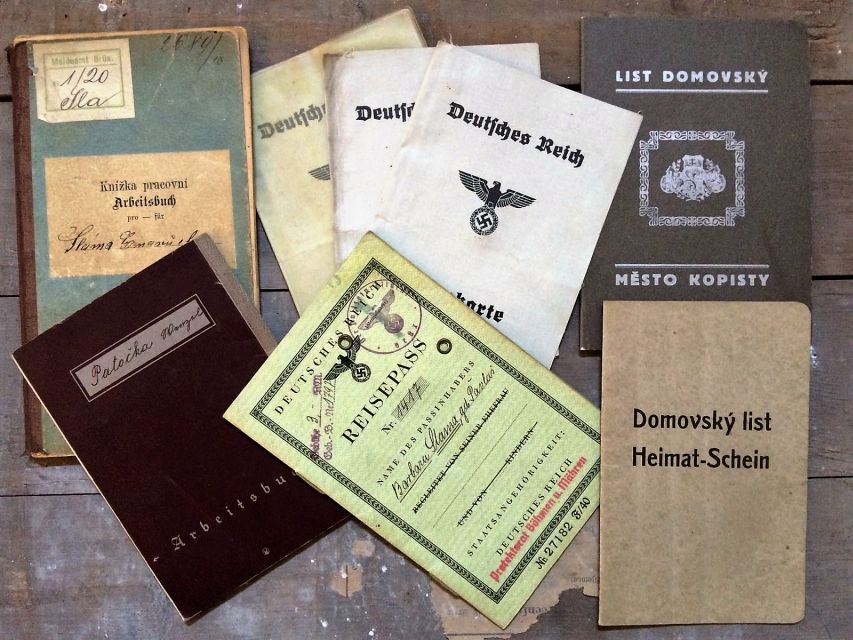
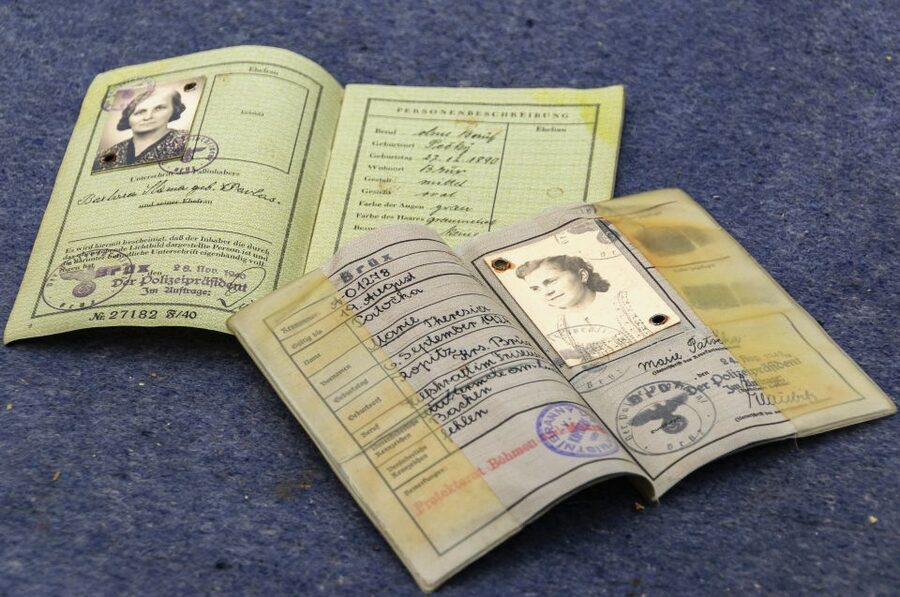
The most striking part of this seven-hour trip is its setting: former Sudetenland, about an hour northwest of Prague, where bunkers, shelters, tunnels, wartime factories, and aircraft remains still sit among ordinary Czech countryside. You are not just looking at museum displays. You can handle original documents, identity cards, maps, and old German weapons under the guide’s supervision.
I like the small maximum of six people, which gives you room to ask Martin about the occupation, Czech democracy, local customs, or the wartime sites themselves. I also like the proper local lunch, served à la carte rather than as a rushed group meal. The main consideration is that this is an outdoor history day, not a polished museum tour. Expect uneven ground, basic wartime remains, and no wheelchair access.
In This Review
- Key points at a glance
- Leaving Prague for the wartime borderlands
- Inside the underground shelter
- Bunkers, tunnels, and shelters across the countryside
- The factory built by forced labor
- Aircraft debris and the pilots behind the story
- A Czech lunch that earns its place
- Why the six-person limit matters
- Who will get the most from this day
- What to bring and how to judge the price
- Should you book the World War II 4WD Tour?
- FAQ
- Where does the World War II 4WD tour begin and end?
- How long does the tour last?
- How far from Prague does the tour go?
- What language is the tour conducted in?
- How many people can join the regular tour?
- Is lunch included?
- What historical sites will I see?
- What should I bring?
- Can I cancel the booking?
Key points at a glance
- Original underground shelter: Begin among wartime documents, maps, personal IDs, and other surviving objects.
- Former fuel-production zone: See the countryside tied to a huge petrochemical plant built with POW and forced labor.
- RAF and US Eighth Air Force bombing story: Learn why the area was targeted and hear about pilots who were shot down.
- Four-wheel-drive access: Reach scattered bunkers, air-raid shafts, shelters, camps, and industrial remains beyond the usual Prague route.
- Lunch with a local flavor: Stop for an à la carte Czech meal, with beer and bottled water included.
- Small-group format: The regular tour takes no more than six people, making conversation with Martin easier.
Leaving Prague for the wartime borderlands
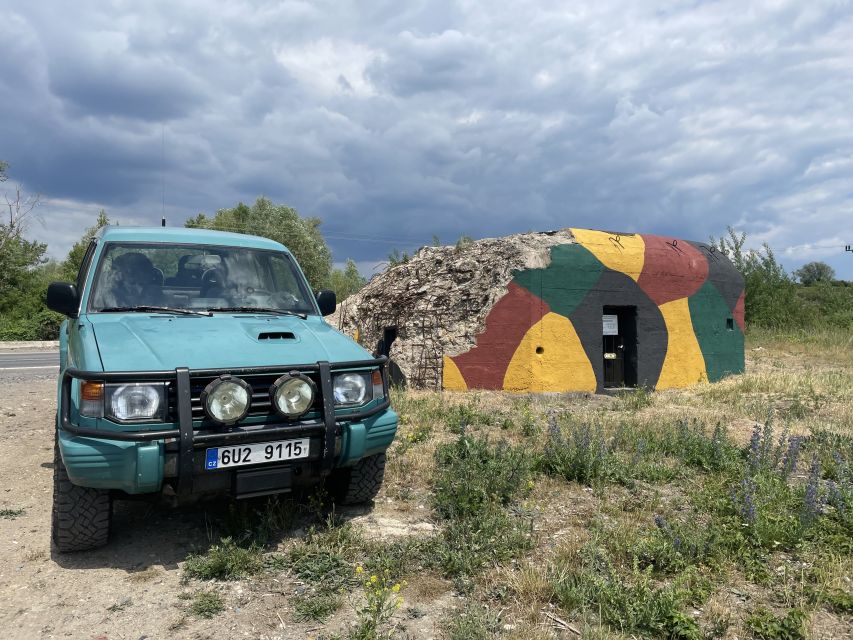
This tour begins with pickup at your Prague hotel. You should wait in the lobby about five minutes before the agreed time, then settle into the 4WD vehicle for the drive toward northwestern Bohemia.
The change from city streets to rural roads is part of the experience. You leave Prague’s grand squares and tourist crowds behind and head toward a region once known as Sudetenland. That name carries heavy political weight. Before and during World War II, the area was home to many German-speaking residents and became part of the wider story of the Munich Agreement, Nazi expansion, occupation, resistance, forced labor, and Allied bombing.
You will spend about an hour on the first guided portion, although the exact rhythm can depend on the day and the sites selected. Martin is presented as an English-speaking guide with a professional license, and the tour encourages questions well beyond military facts. You can ask about Czech traditions, daily life, political change, and how the war still fits into the country’s public memory.
That personal angle matters. A tour built only around weapons and dates can feel flat. Here, the stated aim is to connect the remains with the people who lived under occupation, worked under force, or were caught in the bombing campaign.
More Terezin memorial day trips:
- From Prague: Terezin Concentration Camp Guided Tour w/ Audio
★ 4.5 · 1,959 reviews - From Prague: Tour of Terezin Concentration Camp
★ 4.4 · 1,269 reviews - Prague: WWII Guided Tour & The Crypt of Operation Anthropoid
★ 4.7 · 1,030 reviews
Inside the underground shelter
The first major stop is an authentic underground WWII shelter filled with original objects. This is a strong opening because it gives you something concrete before you begin crossing the countryside.
You can see and touch original personal IDs, documents, maps, and other wartime material. The chance to handle historic items makes the past feel less remote, although you should treat everything carefully and follow Martin’s instructions. These are not modern replicas arranged for effect.
The shelter also sets the tone for the rest of the day. You will hear about life in occupied Czechoslovakia, the Nazi administration, and the hard choices faced by ordinary people. The information supplied for the tour does not promise a formal museum collection with labels beside every item, so you should expect the guide’s explanation to provide much of the meaning.
This stop lasts roughly two hours within the main visit portion. That is enough time for questions, but the experience may feel intense if you prefer lighter sightseeing. The subject is occupation, forced labor, bombing, and death. Families can bring children from age eight, but parents should decide if the wartime material suits their child.
Bunkers, tunnels, and shelters across the countryside
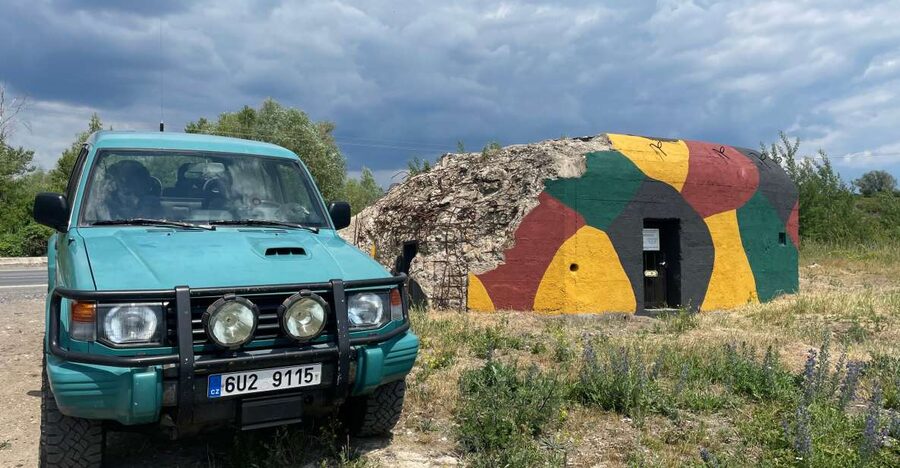
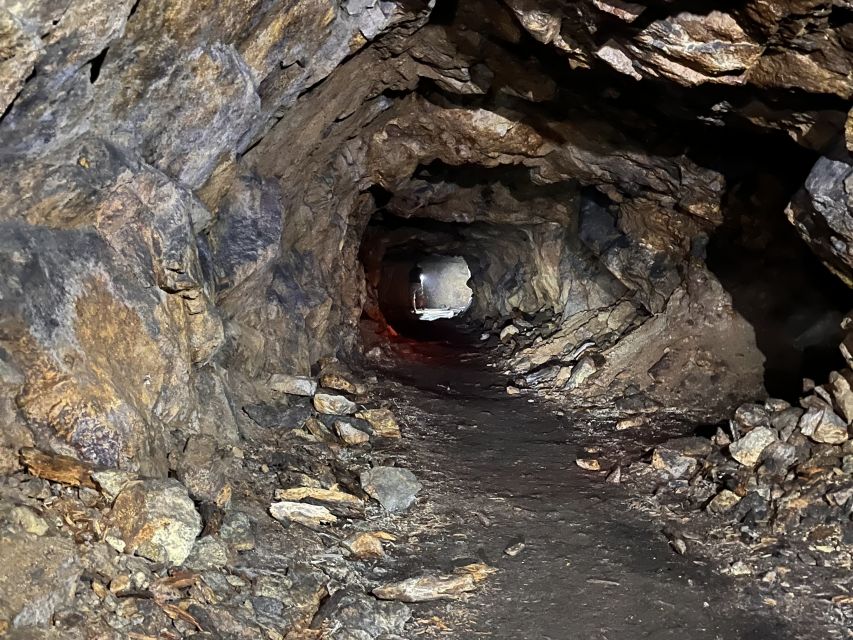
Once you are back in the 4WD, the tour takes you to scattered military remains. You may see several bunker designs, underground tunnels, shelters, and air-raid shafts built by both Czech and Nazi forces.
The variety is important. You are not visiting one bunker and then hearing the same story repeated. Different structures show how defense, shelter, storage, and wartime production shaped the area. Some remains may be easier to enter or inspect than others, and the outdoor setting means you should wear solid shoes and clothing suited to changing weather.
The 4WD vehicle is useful here. These sites are spread across rural areas rather than packed into one city museum. The vehicle allows the tour to connect several points in one day, though it also means you will spend part of the seven hours in transit.
You should not expect a theme-park ride. The appeal is access to places that have been left in their original surroundings. For me, that makes the day more meaningful than a quick stop at a reconstructed fort, but it also means the ground may be rough and the facilities simple.
The factory built by forced labor
One of the most difficult subjects is the former petrochemical factory. Nazi authorities built a huge fuel-production complex in the region using POWs and forced labor under Totaleinsatz, the German system of total wartime mobilization.
The factory story explains why the area received so much attention from Allied aircraft. Fuel was essential to the German war machine, so production sites became major targets for the Royal Air Force and the US Eighth Air Force.
Today, the industrial remains and former camp areas help show the scale of that effort. You are not simply looking at old buildings. You are connecting industrial expansion with the people compelled to work there and with the bombing raids intended to stop production.
This is one of the tour’s most valuable features for anyone who wants more than battlefield trivia. It puts military decisions beside human cost. The exact condition of the remains can vary, and the supplied details do not promise that every structure is intact. Still, the combination of factory sites, camps, bunkers, and shelters gives the day a broad scope.
A few more Prague half-days to weigh up
- Prague Guided Walking Tour and Cruise with Authentic Czech Lunch
★ 5.0 · 3,627 reviews - Prague: Vltava River Lunch Cruise in an Open-Top Glass Boat
★ 4.5 · 2,865 reviews - Prague: Hard Rock Cafe with Set Menu for Lunch or Dinner
★ 4.4 · 1,487 reviews - Communism & Nuclear Bunker Tour + 70s Canteen Lunch (own expense)
★ 5.0 · 1,036 reviews
Aircraft debris and the pilots behind the story
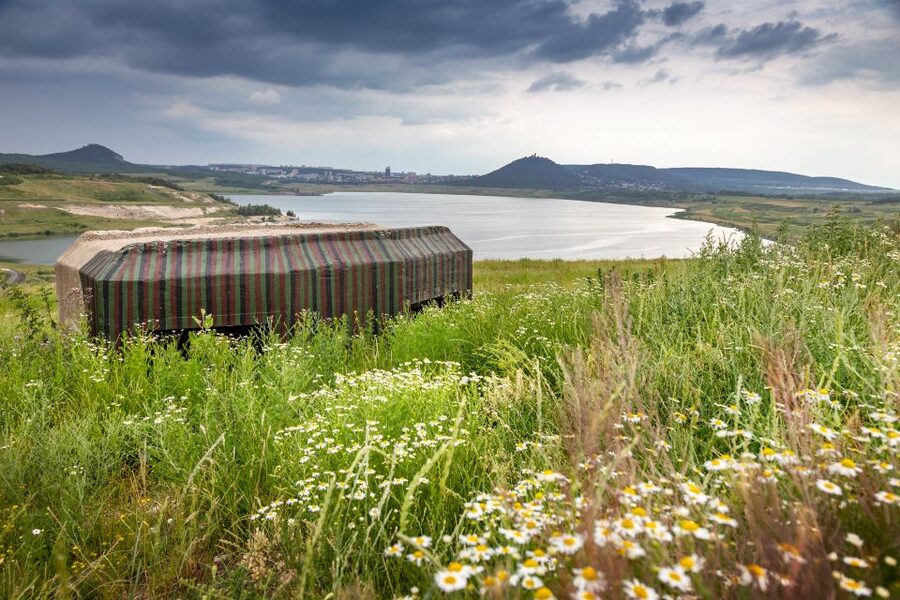
The tour also covers shut-down aircraft debris and the stories of pilots who were shot down in the area. These details bring the bombing campaign down from the level of military strategy to individual lives.
You will hear how RAF and US Eighth Air Force missions targeted Nazi fuel production and what happened to aircrews caught over the region. The information provided does not specify the aircraft types or the names of individual pilots, so you should not book this expecting a full aviation museum or a catalog of every crash.
The strength is the setting. Aircraft remains, rural sites, and the guide’s account can help you picture how the area looked during repeated raids. The story is likely to interest anyone who enjoys military aviation, but the tour is broader than aircraft alone.
A Czech lunch that earns its place
Lunch lasts about an hour at a local restaurant. You choose from an à la carte menu, and the package includes the meal, unlimited beer during lunch, and bottled water throughout the day.
I prefer this arrangement to a fixed coach-tour plate. An à la carte meal gives you a little choice and creates a genuine pause in the day. It also lets Martin continue the conversation in a less formal setting, especially if you want to ask about modern Czech life rather than return straight to wartime events.
The food is one of the better value points at a price of $293 per person. That figure is not cheap for a day outside Prague, but it covers hotel pickup and drop-off, a private-feeling 4WD ride, a licensed English-speaking guide, the lunch, beer at the meal, and water. A large part of the cost goes toward the small group limit and the specialized access to dispersed sites.
A practical note: unlimited beer is included at lunch, but you still have the second half of the tour and a vehicle ride back to Prague. Enjoy the Czech beer sensibly, especially if you plan to climb around outdoor remains or want to keep following the history closely.
Why the six-person limit matters
The regular group maximum is six people. That is a major advantage for this kind of subject because questions are part of the experience.
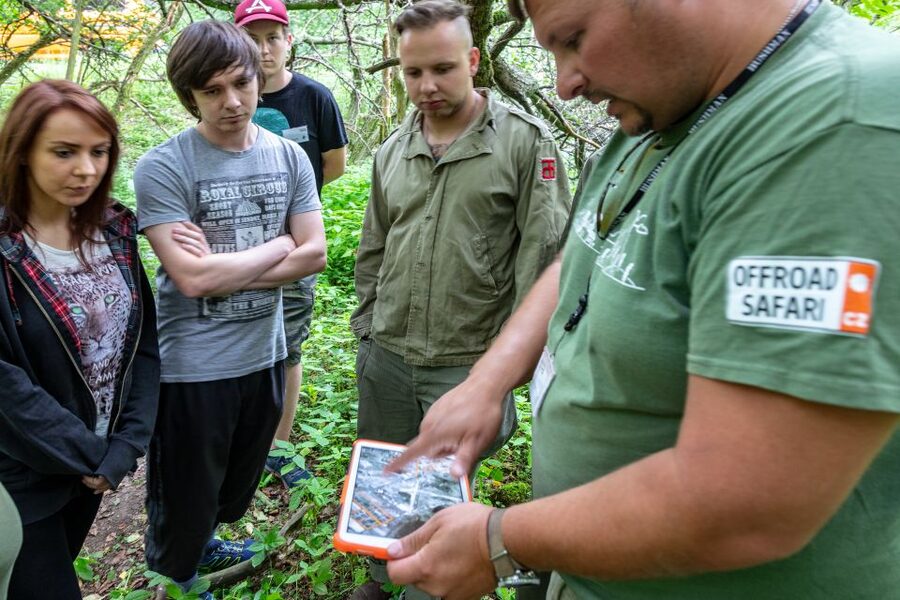
In a large group, a guide has to keep moving and simplify complicated political history. With six, you can pause over a document, ask about a bunker design, or shift from wartime events to Czech traditions. If you are traveling alone or as a couple, this format also avoids the feel of a crowded bus excursion.
The provider can arrange groups of up to 25 for company events, but that is a different experience from the standard small-group trip. If personal conversation and flexibility matter to you, confirm that you are booking the regular six-person format.
Martin is the guide name supplied for the experience, and the tour specifically invites questions about Czech history, traditions, democracy, and everyday life. That makes the human exchange a central feature, not an extra.
Who will get the most from this day
I would recommend this tour to you if you:
- Want WWII history connected to real locations rather than only city museums.
- Enjoy military remains, bunkers, aircraft stories, and industrial archaeology.
- Prefer a small group and a guide-led day with plenty of conversation.
- Are happy to spend several hours outside Prague and in a 4WD vehicle.
- Can manage uneven outdoor conditions and wear comfortable shoes.
- Are traveling with older children who can handle serious wartime subjects.
It may not suit you if you want a relaxed scenic drive with only a little history. The subject matter is grim, the schedule is long, and the sites are not designed for wheelchair users. You also should not expect a fully preserved Nazi complex or a highly staged museum presentation.
For families, the stated age range is eight to 99, but the lower age is only a guideline. Children who like history and military equipment may enjoy the original objects and vehicle ride. Children who dislike tunnels, difficult stories, or long periods of explanation may find the day demanding.
What to bring and how to judge the price
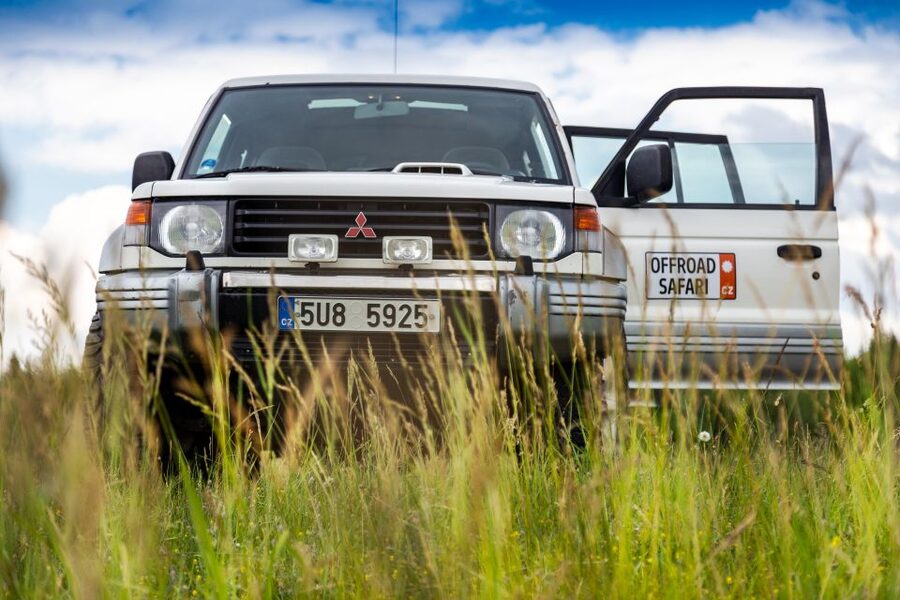
Wear comfortable shoes and outdoor clothing. Those two instructions are simple but important because the tour includes rural bunkers, shelters, tunnels, shafts, and scattered industrial remains.
The listed price is $293 per person. Compared with a standard half-day sightseeing trip from Prague, that is high. Compared with a private or very small specialist excursion that includes transport, a guide, lunch, and a full seven-hour schedule, it is easier to justify.
The value depends on your interests. If you only want a quick introduction to Czech WWII history, a Prague museum will cost less and take less time. If you want Martin’s explanations at multiple rural sites, original objects, a local meal, and the convenience of hotel pickup, this tour offers a more unusual day.
Free cancellation is available up to 24 hours before departure, and you can reserve while paying later. That gives you some flexibility if your Prague plans are still changing.
Should you book the World War II 4WD Tour?
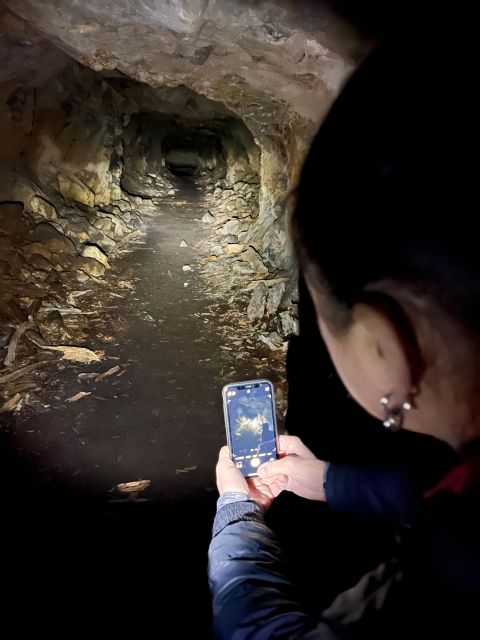
Book it if you want serious, place-based WWII history and a guide who can discuss both the war and modern Czech life. The underground shelter, original documents, forced-labor sites, bombing history, bunkers, and aircraft debris give the day more depth than a simple military photo stop.
I would be more cautious if you dislike rough outdoor sites, need step-free access, or want a polished museum with clear labels and predictable facilities. The price is substantial, but the small group, long duration, transport, lunch, and specialist subject make it reasonable for the right visitor.
My practical call: choose this tour when you have already seen Prague’s main sights and want a day that takes you into a less familiar part of Czech history. Wear good shoes, keep an open mind, and be ready for hard stories as well as interesting ones.
FAQ
Where does the World War II 4WD tour begin and end?
The tour includes pickup and drop-off at your hotel in Prague. You should wait in the hotel lobby five minutes before the scheduled pickup.
How long does the tour last?
The full experience lasts seven hours, including transport from Prague, guided visits, lunch, and the return journey.
How far from Prague does the tour go?
The tour travels to former Sudetenland in northwestern Bohemia, about an hour from Prague.
What language is the tour conducted in?
The tour is conducted in English with a live English-speaking guide.
How many people can join the regular tour?
The standard small-group tour is limited to a maximum of six participants. Company events can be arranged for groups of up to 25.
Is lunch included?
Yes. A local à la carte lunch is included at a restaurant, along with unlimited beer during lunch and bottled water during the tour.
What historical sites will I see?
The experience includes an underground WWII shelter, bunkers, tunnels, air-raid shafts, former camps, industrial remains, and aircraft debris connected with the bombing of Nazi fuel production.
What should I bring?
Bring comfortable shoes and outdoor clothing. The tour visits outdoor wartime remains and is not suitable for wheelchair users.
Can I cancel the booking?
You can cancel up to 24 hours in advance for a full refund. Reserve now and pay later is also available.
Just added around Prague
- Prague Highlights 4 Hour Private Walking Tour★ 5.0 · 3 reviews
- VIP Prague Segway Tour Around Monastic Breweries★ 4.0 · 3 reviews
- Private Guided Tour from Prague to UNESCO Kutna Hora★ 5.0 · 3 reviews
- From Prague Day Unique Tour To Cesky Krumlov★ 4.5 · 3 reviews
- Cesky Krumlov: Insta-Perfect Walk with a Local★ 5.0 · 3 reviews
- Prague: WWII Tour with Local Historian SMALL GROUP★ 5.0 · 3 reviews
- Learn Traditional Czech Cooking from Authentic Family Recipes★ 5.0 · 3 reviews
- Running Tour of Prague. Your private 6-9K intro★ 5.0 · 3 reviews
Terezín Memorial Day Trips, compared.
Terezin Concentration Camp Guided Tour w/ Audio
Read our review →
WWII Guided Tour & The Crypt of Operation Anthropoid
Read our review →
Terezin Concentration Camp Day Tour from Prague
Read our review →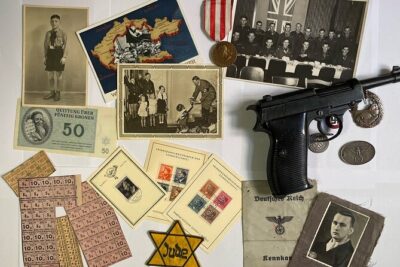
WWII in Prague Tour & The Crypt of Operation Anthropoid
Read our review →
Terezin & Bohemian Switzerland from Prague: Bastei, Narnia & Café
Read our review →Browse the lists this tour appears in