
Reviewed · BRNO & MORAVIA TRIPS
Skip the Line: 10-Z Bunker Entrance Ticket in Brno
Brno’s 10-Z bunker turns a Cold War fallout shelter into a puzzle: you receive an English map at the entrance, then find your way through the underground maze and eventually locate the exit. Along the route, old film footage, projectors, QR codes, and preserved equipment show how this shelter was meant to function in a crisis.
I like the self-guided format, since you can pause at the diesel generator, filtration room, telephone switchboard, and prison exhibits instead of following a fixed group. I also like the central Brno location and quiet atmosphere, which make this an easy one-hour stop between other sights. The main drawback is that English context is limited, with about 15 English-subtitled screenings but not every display fully explained in English.
In This Review
- Key points about the 10-Z bunker
- Entering Brno’s 10-Z bunker
- WWII and Cold War rooms with a human scale
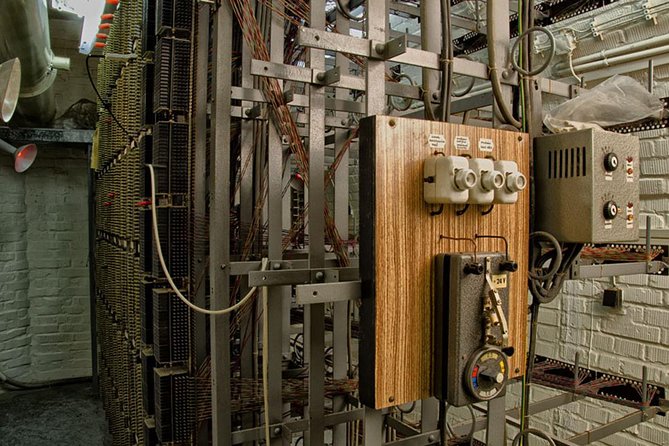
- The generator, filtration room, and telephone switchboard
- A table with an unusual political history
- The door from the cell of death
- Projectors, QR codes, and the self-guided route
- Finishing at the Milk Bar
- How much time should you allow?
- Is the $12.01 ticket good value?
- Who will enjoy this bunker most?
- My practical advice before you go
- Should you book the 10-Z bunker?
- FAQ
- Where is the 10-Z bunker experience located?
- How long does the visit take?
- Is the ticket self-guided?
- Is English information available?
- What are the opening hours?
- Can I cancel the booking for a refund?
Key points about the 10-Z bunker
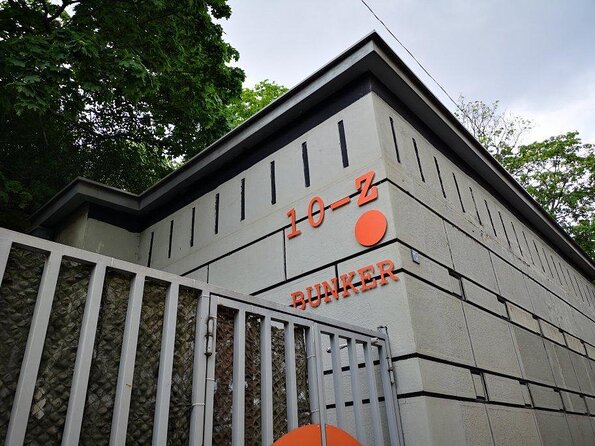
- Find your way out: The English map makes the visit part museum tour, part underground puzzle.
- See working shelter spaces: The diesel generator, filtration room, PBX switchboard, and other rooms show the bunker’s practical purpose.
- Follow Brno’s darker stories: Videos and displays connect the shelter with WWII, Stalinism, capital punishment, and Cold War fears.
- Look for hidden QR codes: Extra videos provide more material, and Wi-Fi is available throughout 10-Z.
- Finish at the Milk Bar: The route ends with a chance to rest at the café associated with Marcel Ihnacak.
- Book ahead for $12.01: A mobile skip-the-line ticket helps you fit the visit into a busy day, though the value depends on your interest in modern history.
Entering Brno’s 10-Z bunker
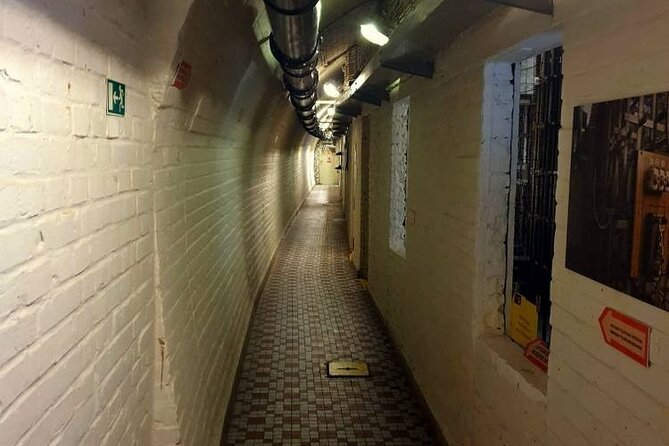
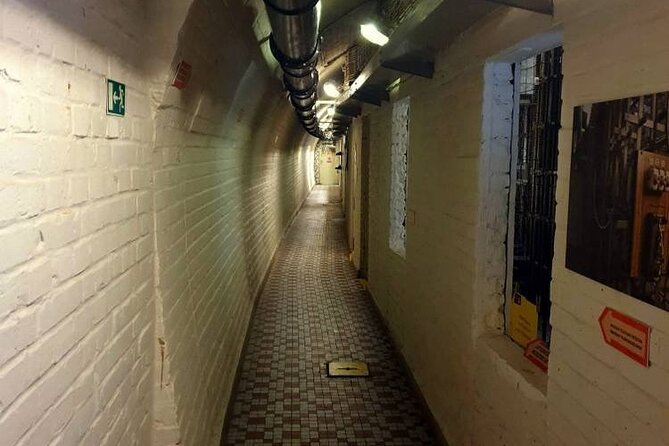
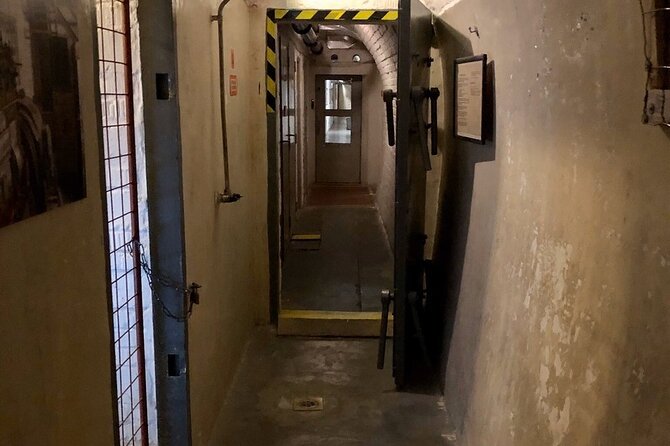
The 10-Z bunker is not a polished palace museum. Its appeal is the raw, practical setting. You enter a shelter built for danger, surrounded by concrete, narrow rooms, equipment, and the uneasy idea that people might once have needed to live underground for weeks.
At the entrance, you receive a map in English. Your task is to find your way out. That small twist changes the mood at once. Instead of simply walking from label to label, you pay attention to corridors and rooms as you work through the shelter.
This is still an easy activity for most people, but the route is not presented as a standard guided walk. If you prefer someone to explain every object as you go, you may find the experience thin. If you like examining spaces at your own speed, the format works well.
The visit can take anywhere from about 15 minutes to 1 hour and 30 minutes. That is a wide range, but it makes sense for a self-guided museum. A quick visitor can pass through the main route. Someone who watches the screenings, checks QR codes, and reads the displays will need much longer.
More Brno and Moravia trips:
- Brno: Historic Downtown Walking Tour
★ 3.9 · 278 reviews - 3-Hour Brno Themed Walking Tours
★ 3.9 · 65 reviews - Trip to the Austerlitz Battlefield near BRNO in the Czech Republic
★ 5.0 · 20 reviews
WWII and Cold War rooms with a human scale
The bunker’s subject is not only military hardware. The displays bring in people connected with the shelter and with Brno’s difficult 20th-century past. Images and projected stories appear as you move through the rooms, giving the bare concrete spaces a more personal feel.
You will see references to both World War II and the Cold War. The two periods are different, but the bunker links them through the fear of attack, occupation, imprisonment, and survival underground. That broad time span gives the visit more weight than a simple collection of old machinery.
About 15 screenings include English subtitles. These films are important because the exhibition does not rely entirely on long English wall texts. You can stop at the screens and watch the stories unfold through archival images and audiovisual material.
Still, do not expect every object to come with full English background. One of the clearest limitations is the amount of English information. The map and subtitled screenings help, but some visitors may want more explanation about how the shelter was planned, who would have used each space, and how Brno’s political history shaped the bunker.
I suggest allowing time for the screenings rather than treating them as background decoration. They provide much of the historical framing that the rooms alone cannot supply.
The generator, filtration room, and telephone switchboard
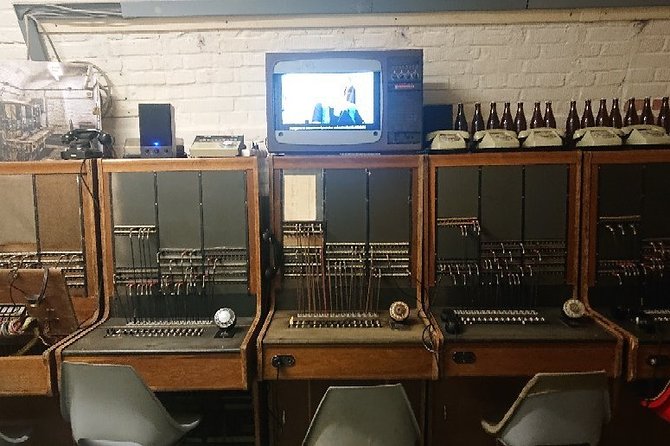
The most satisfying part of the visit is the equipment. A bunker becomes easier to understand when you see the machinery that would have kept people alive and connected.
The diesel generator shows the need for an independent power source. In a crisis, a shelter could not simply depend on ordinary city services. The generator is a solid reminder that survival plans involved fuel, maintenance, noise, and serious practical limits.
The filtration room points to another basic problem: air. A fallout shelter needed more than thick walls. It needed a way to manage contaminated or poor-quality air for people staying underground. The room helps explain the bunker as a functioning system rather than a collection of gloomy corridors.
The PBX telephone switchboard is another highlight. This old phone exchange connects the bunker to the communication needs of an emergency. It also gives you a striking piece of technology to examine, especially if you enjoy the physical look of pre-digital equipment.
Gas masks and other objects add to the atmosphere. They are simple objects, but they make Cold War anxiety feel less abstract. The threat was discussed in terms of plans, warnings, and equipment that ordinary people might have had to use.
Because the tour is self-guided, you can spend five minutes with the switchboard or move on quickly. That flexibility is useful for mixed groups. One person can study the machinery while another watches a film nearby.
A table with an unusual political history
Among the bunker’s stranger objects are functionalist tables designed by Polášek for Brno’s New Town Hall. They were forgotten in the shelter and later gained an unexpected political history.
The tables were used by Adolf Hitler and by all communist presidents during visits to Brno Town Hall. That detail gives an ordinary piece of furniture a direct link to the city’s changing rulers. It also shows how museums can preserve political history in objects that were never intended to become major exhibits.
I find this kind of detail more useful than a room full of generic labels. The tables connect the bunker to Brno itself, not just to broad European events. You are looking at an object that moved through different political eras while the city around it changed.
Look for these tables rather than rushing past them. They are easy to overlook beside heavier bunker equipment, but they offer one of the clearest links between the shelter and local civic history.
More communism and Cold War tours:
- Prague: Communism History and Nuclear Bunker Guided Tour
★ 4.7 · 2,417 reviews - Prague Communism History and Nuclear Bunker Tour
★ 5.0 · 1,742 reviews - Communism & Nuclear Bunker Tour + 70s Canteen Lunch (own expense)
★ 5.0 · 1,036 reviews - Prague: Communism and Bunker Tour with 70s Canteen Lunch
★ 4.8 · 250 reviews
The door from the cell of death
The most troubling exhibit is the door from the death cell of the former Regional Prison at Cejl in Brno. People sentenced to death during World War II and Stalinism carved messages into the door before their executions.
This is a difficult object, and it changes the visit’s tone. The bunker is already connected with fear of war and nuclear attack. The prison door adds a more intimate record of people facing certain death, with their own marks left behind.
The exhibit does not need much decoration to be powerful. The physical traces carry the story. You can think about the difference between a shelter designed to protect life and a prison space where the outcome had already been decided.
This is also where the limits of English interpretation matter most. If you want extensive political background about the prison, wartime executions, or Stalinist repression, you may find that the available explanation does not go far enough. The object itself is memorable, but more context would help many visitors understand its full importance.
Projectors, QR codes, and the self-guided route
The exhibition uses audiovisual technology throughout the shelter. Projectors show stories connected with the city and region, while hidden QR codes offer additional videos.
Wi-Fi is available in all areas of 10-Z, so the QR system is practical rather than decorative. Bring a charged phone and take your time scanning the codes you find. The extra material can help fill in the gaps left by the shorter English labels.
The map is central to the experience. You are not handed a long guided explanation at each stop. Instead, you follow the route, watch for stations, and decide how much information you want to collect.
That approach has two clear advantages. It keeps the visit flexible, and it prevents the bunker from becoming a crowded procession. The quiet atmosphere can make the underground setting feel more serious.
The downside is that you need to take responsibility for your own visit. You may miss a screen or fail to spot a QR code if you move too quickly. If you want the fullest experience, slow down and check the rooms carefully.
Finishing at the Milk Bar
At the end of the route, you can rest at the Milk Bar of Marcel Ihnacak. This is a welcome change after the dark corridors and serious exhibits.
You can also buy drinks at the beginning of the visit. The café stop gives the experience a more human ending, especially after the prison door and the Cold War material. It is not just a quick exit from the museum. It gives you a place to sit and think about what you have seen.
The café is part of the attraction’s character, but do not book the bunker solely for a food stop. The real value is the shelter itself and the way the route combines machinery, projected material, local stories, and unsettling objects.
How much time should you allow?
The official duration ranges from 15 minutes to 1 hour and 30 minutes. I would plan for about an hour if you want to watch several screenings and inspect the main rooms without rushing.
A very short visit can work if you are fitting the bunker between other Brno sights. The skip-the-line mobile ticket makes that easier, since you can book ahead and avoid spending part of your day arranging entry.
For a slower visit, allow up to 90 minutes. You may need that much time if you watch the English-subtitled films, scan QR codes, read the map closely, and stop at the generator, filtration room, switchboard, tables, gas masks, and prison door.
Opening hours listed for the current period are Tuesday through Sunday, 11:30 a.m. to 7 p.m., from December 16, 2025, through December 15, 2026. The bunker is closed on Mondays under that schedule, so check your chosen date before booking.
Is the $12.01 ticket good value?
At $12.01 per person, this is a fairly modest museum expense for Brno. The ticket includes entry and skip-the-line access, but not a guide.
The value depends on how you use the visit. If you only spend 15 minutes walking through, the price may feel less convincing. If you stay for an hour, watch the films, use the QR codes, and study the equipment, the ticket gives you a substantial look at a distinctive site.
The mobile ticket is useful for schedule planning. The attraction is not presented as a long tour with fixed departure times, so you can fit it around the rest of your day. Booking ahead also makes sense because the experience is commonly reserved about 10 days in advance.
There is a maximum capacity of 99 people. That is not a promise of an empty bunker, but the self-guided format and the possibility of quieter periods can make the visit feel unhurried.
Who will enjoy this bunker most?
I would recommend 10-Z to you if you like military history, Cold War sites, unusual museums, and places where the building itself is part of the exhibit. It is also a good choice if you want something different from Brno’s churches, squares, and civic buildings.
Families with older children may enjoy the map and find-your-way-out idea. The equipment and underground setting can make history more concrete than a standard display case. Very young children may not connect with the political material, and the prison exhibit is serious.
The bunker suits independent visitors better than people who want a fully narrated tour. You do not receive a guide, and English coverage is not complete. The English map, subtitles, Wi-Fi, and QR videos provide useful support, but you should be comfortable piecing some of the story together.
The experience also appears to make room for staff with disabilities, which adds a worthwhile social element to the visit. Most people can participate, according to the available information, but the supplied details do not provide a full description of every physical feature or access condition.
My practical advice before you go
Bring a phone with enough battery for QR videos and use the English map from the start. If you are interested in the history, do not assume the first corridor tells you how the whole route works. The goal is to find your way out, so keep the map handy.
Plan to watch the English-subtitled screenings. They supply much of the story and help explain why the rooms and objects matter.
Give special attention to the filtration room, diesel generator, PBX switchboard, Polášek tables, and the door from the death cell. Those are the exhibits most likely to stay with you after you leave.
If you prefer a quiet museum visit, avoid rushing through the route. The bunker’s impact comes from the pauses between objects, when you consider what it would mean to depend on this equipment during war or a nuclear emergency.
Free cancellation is available if you cancel at least 24 hours before the experience start time. Changes or cancellations made within 24 hours are not accepted for a refund, and all cut-off times use Brno local time.
Should you book the 10-Z bunker?
Book it if you want a short, affordable Brno experience with a strong sense of place. The map-based route, old machinery, English-subtitled films, hidden QR videos, and prison door give the visit more variety than a basic shelter tour.
Skip it if you need a fully guided English explanation at every stop. The limited English text is the main weakness, and the museum asks you to create much of your own route and understanding.
For most visitors with an interest in WWII or the Cold War, I think the $12.01 price is reasonable, especially if you allow close to an hour. It is not a grand museum, but it offers an honest look at fear, preparation, politics, and survival beneath Brno.
FAQ
Where is the 10-Z bunker experience located?
The experience takes place at the 10-Z WWII and Cold War Bunker in Brno, Czech Republic.
How long does the visit take?
The visit takes approximately 15 minutes to 1 hour and 30 minutes. Your timing depends on how many screenings you watch, how closely you examine the exhibits, and whether you use the QR videos.
Is the ticket self-guided?
Yes. You receive an English map and must find your way out of the bunker. A guide is not included.
Is English information available?
The exhibition includes about 15 screenings with English subtitles, and you receive an English map. Hidden QR codes provide extra videos, but not every part of the exhibition has full English context.
What are the opening hours?
For the listed period from December 16, 2025, through December 15, 2026, the bunker is open Tuesday through Sunday from 11:30 a.m. to 7 p.m.
Can I cancel the booking for a refund?
Yes. You can cancel up to 24 hours before the experience start time for a full refund. Cancellations or changes made less than 24 hours before the start time are not accepted for a refund.
More Skip the Line in Brno
- Prague: Skip-the-line Castle Ticket and Optional AudioGuide
★ 4.3 · 11,121 reviews - Prague Zoo: Skip-the-Line Entry Ticket
★ 4.8 · 3,440 reviews - Prague Jewish Town/Skip-the-Line Official Entry Ticket
★ 4.3 · 524 reviews - Skip the Line: Prague Castle Ticket and Introductory Overview
★ 3.5 · 358 reviews
Just added around Brno
- Brno’s Historic Gems: A Walking Tour★ 5.0 · 3 reviews
- Moravian wine trails★ 5.0 · 4 reviews
- Brno: Food tasting tour in Hidden Gems (Small Groups)★ 4.1 · 6 reviews
- Brno’s Historic Gems: A Private Walking Tour★ 5.0 · 6 reviews
- Fullday Private Tour in Lednice and Valtice with Castle Visiting★ 5.0 · 6 reviews
- 2 Hours Private Walking Tour in Brno★ 5.0 · 6 reviews
- Get to know South Moravia with us. 6 hour tour.★ 5.0 · 9 reviews
- Fullday Private Tour in Lednice & Valtice with Wine Tasting★ 5.0 · 10 reviews
Brno & Moravia Trips, compared.
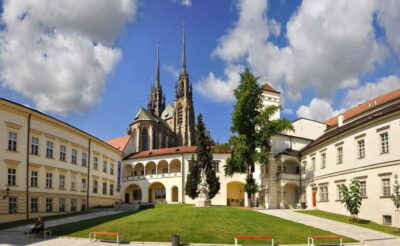
Entrance to the viewing tower of the new town hall
Read our review →
Trip to the Austerlitz Battlefield near BRNO in the Czech Republic
Read our review →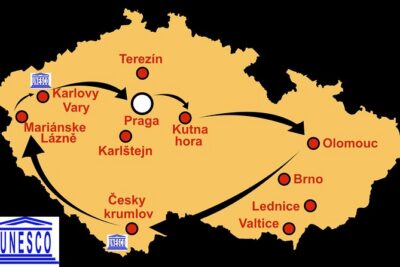
Tour of the Czech Republic – Castles and spas of Bohemia & Moravia
Read our review →
Discover Moravian Karst: Seven Stops, One Tailored Tour
Read our review →
Brno Food Tasting Tour of Hidden Gems for Small Groups
Read our review →Browse the lists this tour appears in