
Reviewed · COMMUNISM & COLD WAR TOURS
Prague: Communism and Bunker Tour with 70s Canteen Lunch
Prague’s communist past becomes far easier to understand when you see it on the streets where it happened. This tour links the 1948 Communist coup, Prague Spring, and Velvet Revolution to familiar places in Old Town and New Town, then, on the longer option, takes you into a real 1950s nuclear bunker. I like the clear timeline and the way local guides such as Klara, Leo, and Tereza use family stories, old photographs, quizzes, and humor to make a difficult subject approachable. I also like the chance to eat in a 1970s workers’ canteen, rather than treating history as something locked behind glass.
The main consideration is pace. You walk for roughly two hours before adding the canteen and bunker, and the bunker is not suitable for people with claustrophobia. Lunch is also at your own expense, although the bunker admission is included with the four-hour choice. If you want the full experience, allow four hours and wear shoes suited to city walking.
In This Review
- Key points at a glance
- Why Prague’s communist story works best as a walking tour
- Starting at the Powder Tower
- Old Town and the first hour of context
- New Town and the road to 1989
- The 1970s workers’ canteen
- Inside the 1950s nuclear bunker
- Guides, group size, and the feel of the tour
- Timing, price, and practical details
- Who should book this Prague experience
- Should you book the two-hour or four-hour tour?
- FAQ
- Where does the tour start?
- What language is the tour in?
- How long does the experience last?
- What places does the walking tour cover?
- What historical events are discussed?
- Is lunch included in the price?
- Is the nuclear bunker included?
- Is the tour suitable for people with claustrophobia?
- Can I cancel the booking?
Key points at a glance
- A walk through real political landmarks: Begin at the Powder Tower, then connect Old Town and New Town with the major events of Czechoslovakia’s communist era.
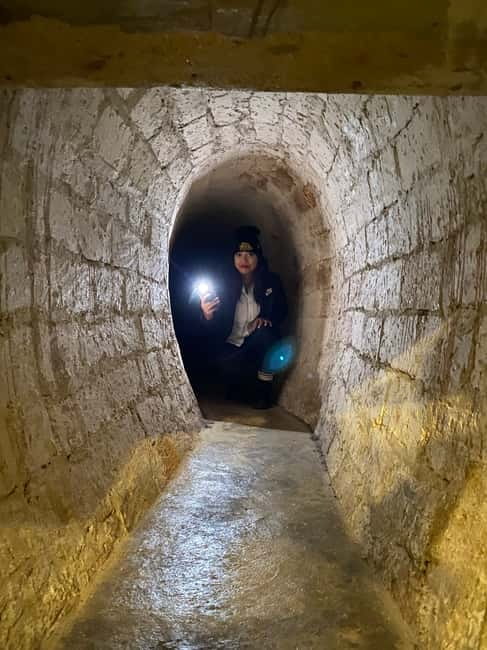
- The four-hour option adds a genuine Cold War bunker: The 1950s shelter gives you a physical sense of fear, preparation, and daily life during the Cold War.
- A retro canteen makes history feel ordinary: Stop for a Czech meal or Kofola in a workers’ canteen styled like the 1970s, with food bought separately.
- Local guides bring personal detail: Klara has shared family experiences from behind the Iron Curtain, while Leo uses questions and quizzes to keep the walk active.
- Small groups help with questions: Numbers are limited to 15, and several guides have been praised for making time for questions and adapting the discussion.
- You receive a period souvenir: The original communist-era pin is a small but memorable reminder of the tour.
Why Prague’s communist story works best as a walking tour
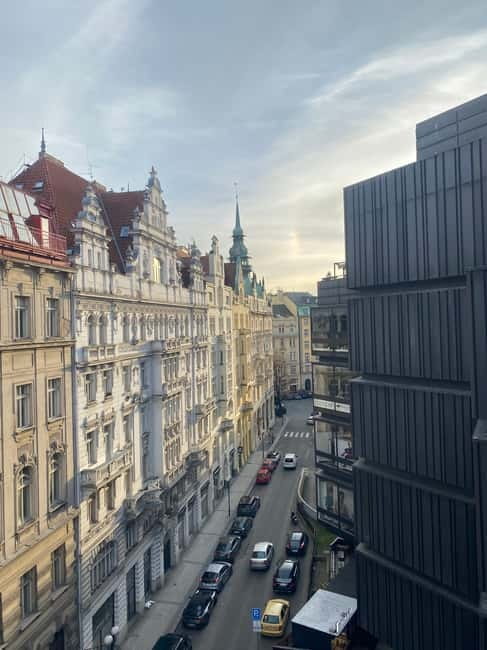
Prague’s communist period can seem like a string of dates until you see how it shaped the city. This walk begins at the Powder Tower on Náměstí Republiky, a useful central meeting point, and moves through Old Town and New Town. The route lets you place political change beside ordinary streets, squares, cafés, and public buildings.
The guide presents the story in sequence. You start with the postwar setting and the 1948 Communist takeover, then move through the Prague Spring of 1968 and the repression that followed. The story ends with the Velvet Revolution of 1989, the peaceful movement that brought communist rule to an end in Czechoslovakia.
I like this structure because it gives you a framework before the bunker visit. You are not simply walking past sites while hearing disconnected anecdotes. You are shown how one event led to another, and why 1989 mattered so much.
The subject is serious, but the tone is not stiff. Guides use old photographs and visual material to show how parts of Prague looked before, during, and after communist rule. Leo has also used quiz questions between stops, while Klara has been praised for answering questions in a direct and friendly way.
That makes the tour suitable for different levels of interest. If you already know the broad outline of Czech history, you can ask about daily life, political power, or family experience. If the subject is new to you, the guide gives you enough context to follow without turning the walk into a university lecture.
More communism and Cold War tours:
- Prague: Communism History and Nuclear Bunker Guided Tour
★ 4.7 · 2,417 reviews - Prague Communism History and Nuclear Bunker Tour
★ 5.0 · 1,742 reviews - Communism & Nuclear Bunker Tour + 70s Canteen Lunch (own expense)
★ 5.0 · 1,036 reviews
Starting at the Powder Tower
Look for the guide holding a blue umbrella near the Powder Tower at Republic Square. The starting point is easy to recognize, but central Prague can be busy, so give yourself a little time to find the group.
The Powder Tower itself is not the main subject of this experience. Its value here is practical: it places you at the edge of the historic center, within easy reach of the Old Town and New Town route. From there, the tour shifts your attention from medieval Prague to the political story of the twentieth century.
Expect a guided walk rather than a series of museum interiors. You will spend much of the first two hours outside, listening, looking at historic images, and asking questions. The tour operates rain or shine, so check the forecast and bring suitable clothing.
Old Town and the first hour of context
The Old Town section sets the scene. Prague’s grand center is often presented through Gothic towers, baroque churches, and pretty lanes, but the tour asks you to look at the same city through the experience of political control, public protest, and sudden change.
This is where the historical timeline matters most. The guide explains the 1948 coup and the creation of a communist state, then shows how power affected public life. You are not only given names and dates. The discussion includes ordinary people as well as those in government and positions of authority.
The most useful part is the chance to stop and ask questions. Guides such as Klara have used personal and family stories to explain what life behind the Iron Curtain felt like. That kind of detail can make a large political subject easier to grasp, but remember that personal stories are examples, not a complete picture of everyone’s experience.
The walk is also a good choice if you want to understand the Prague you are already sightseeing in. You will visit famous central areas, but the emphasis is on how those places relate to modern Czech history. The result is more focused than a general city tour and less formal than a museum visit.
New Town and the road to 1989
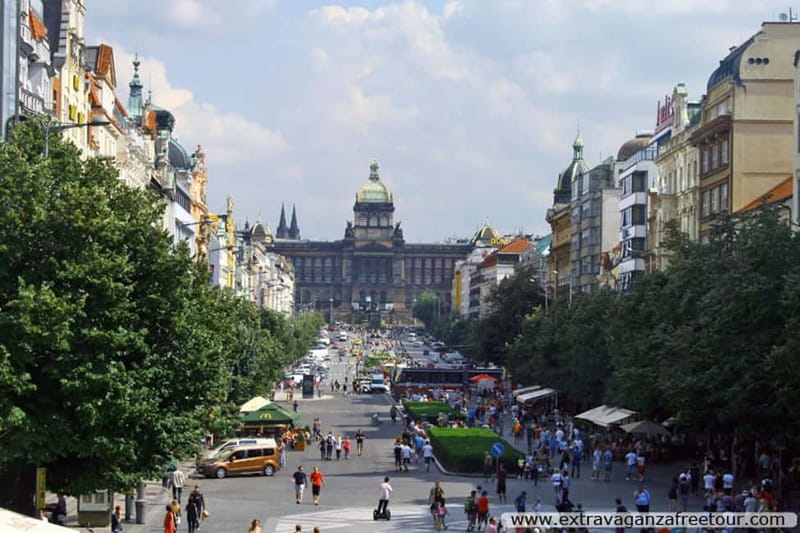
The route continues into New Town, including the area around Wenceslas Square. This part is especially important for understanding the Prague Spring and the Velvet Revolution.
The Prague Spring of 1968 is presented as an attempt to reform the communist system, followed by the end of those reforms. The guide then moves forward to 1989 and the Velvet Revolution, helping you see the difference between a crushed reform movement and a successful mass movement more than two decades later.
Wenceslas Square gives this section a strong sense of place. You are hearing about events in an area where public gatherings and political change have mattered greatly, rather than discussing them in an unrelated room.
The walk can be especially valuable early in your Prague visit. It gives you background that may sharpen your understanding of museums, memorials, and public spaces you see later. It also gives you a chance to ask basic questions without feeling that you should already know the answers.
At the same time, this is still a city walk. You will be standing outdoors and moving through central Prague. If you prefer a seated museum experience, the two-hour option may feel demanding. If you enjoy learning through places, the walking format is one of the tour’s strengths.
A few more Prague half-days to weigh up
- Prague Guided Walking Tour and Cruise with Authentic Czech Lunch
★ 5.0 · 3,627 reviews - Prague: Vltava River Lunch Cruise in an Open-Top Glass Boat
★ 4.5 · 2,865 reviews - Prague: Hard Rock Cafe with Set Menu for Lunch or Dinner
★ 4.4 · 1,487 reviews - Full-Day Prague Tour with Prague Castle, Lunch and Vltava Cruise
★ 4.0 · 921 reviews
The 1970s workers’ canteen
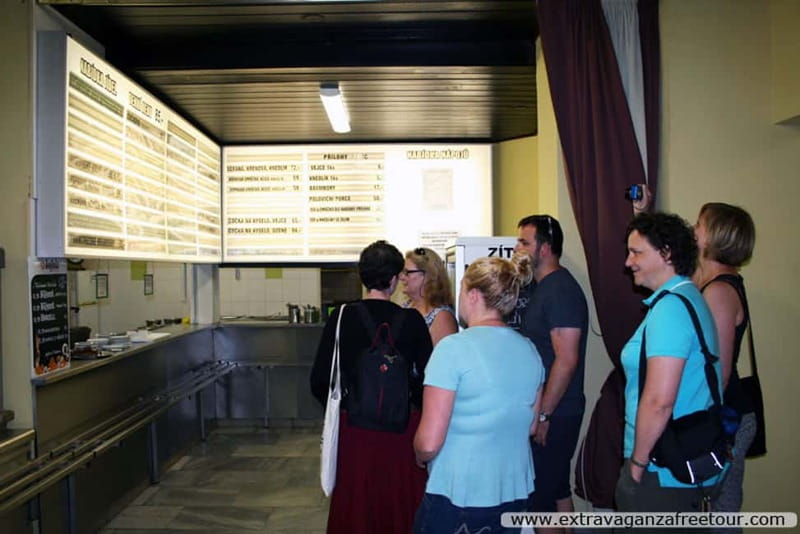
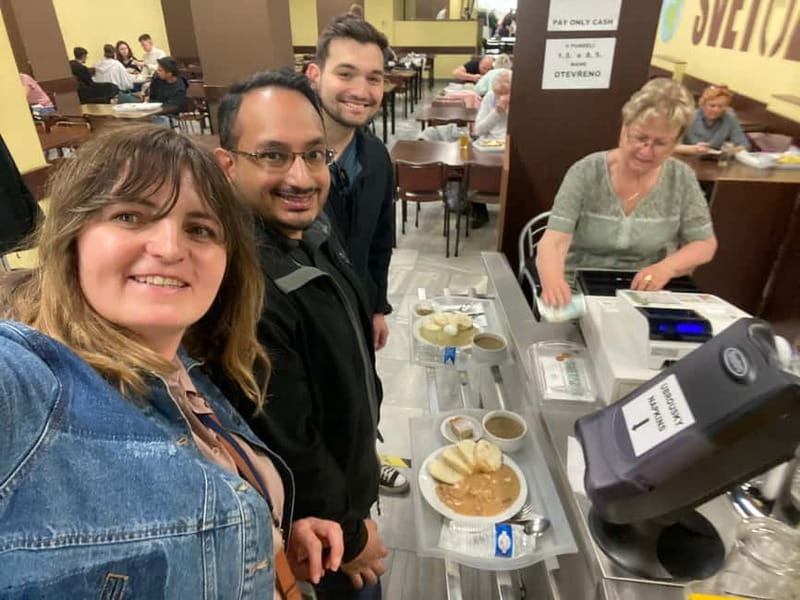
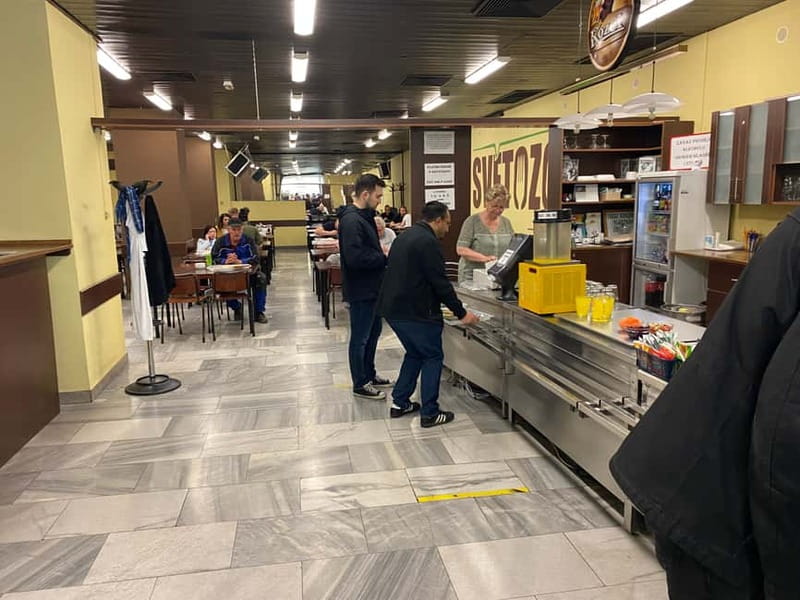
The four-hour version includes a 30-minute break at a workers’ canteen styled after the 1970s. You can buy a Czech lunch or simply have Kofola, the Czech soft drink associated with the era. Food and drink are not included in the tour price, so carry some money for this stop.
The canteen is useful because it shifts the focus from major political events to routine life. A bunker tells you about military fear and emergency planning. A workers’ canteen suggests something more ordinary: where people ate, what a workplace meal felt like, and how the period is remembered through everyday objects and habits.
Do not expect a long restaurant meal. The break lasts about 30 minutes, so think of it as a short cultural stop rather than a relaxed dining session. If you have dietary needs, the supplied information does not specify menu choices, so ask the guide or canteen staff before ordering.
Some guides may also use the break flexibly. One family group had time for a traditional Czech dish, while a guide also helped with local snack suggestions and pointed out retro Czech chocolate brands. That sort of small local advice can be useful, but the central purpose remains the canteen experience.
I like that lunch is optional. You can eat if the idea appeals to you, or choose Kofola and keep the break short. Just remember that the meal is not part of the $33 starting price.
Inside the 1950s nuclear bunker
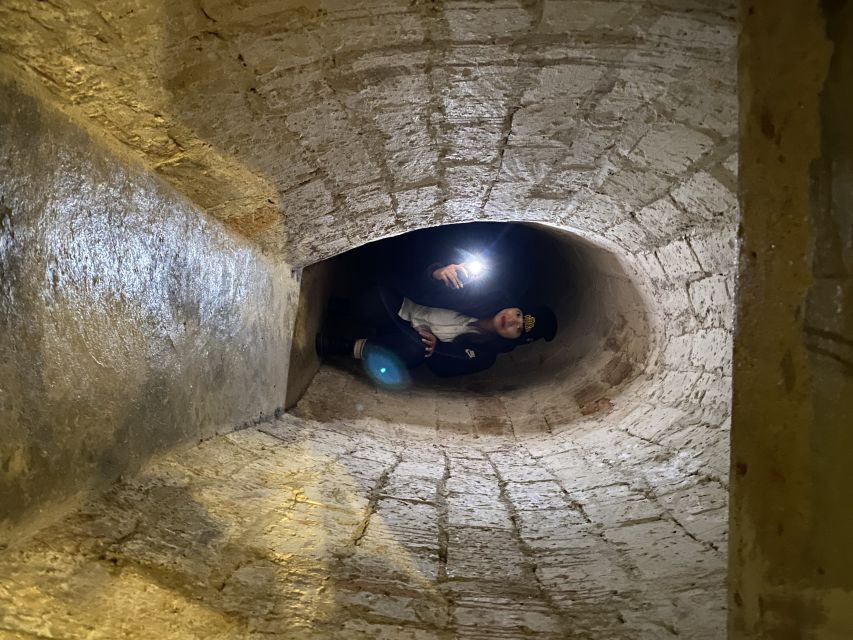
The bunker is the four-hour tour’s main physical experience. Admission, listed as worth 250 CZK or about €10, is included when you select the bunker option. You then take a guided tour through an authentic Cold War-era nuclear shelter dating from the 1950s.
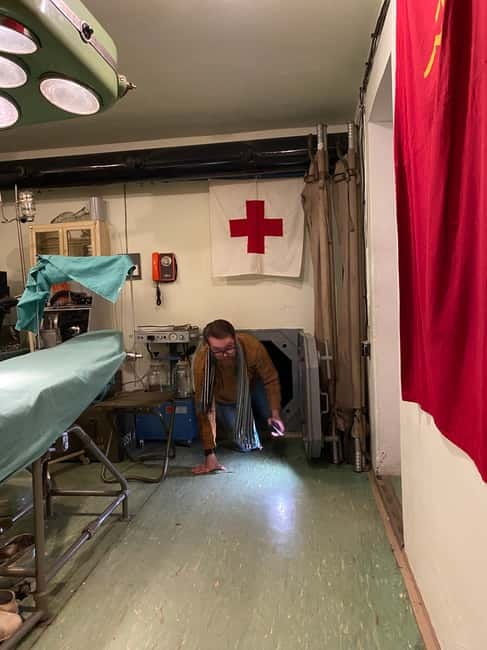
This is not simply another room where a guide talks about the Cold War. The setting gives the subject weight. Narrow passages, underground spaces, and preserved equipment can help you understand the fear of nuclear attack in a way that photographs cannot.
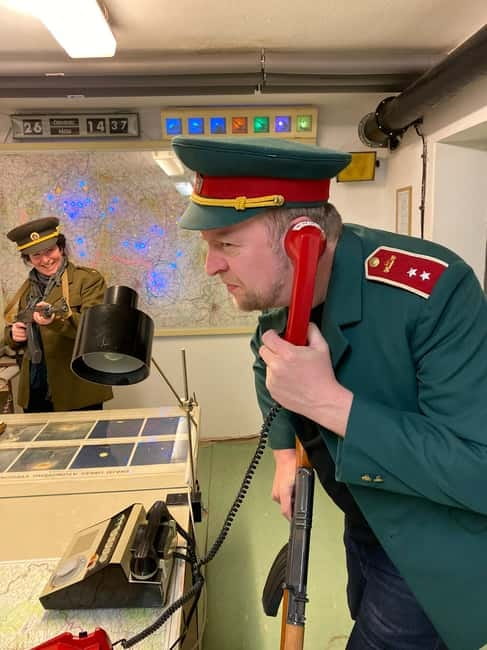
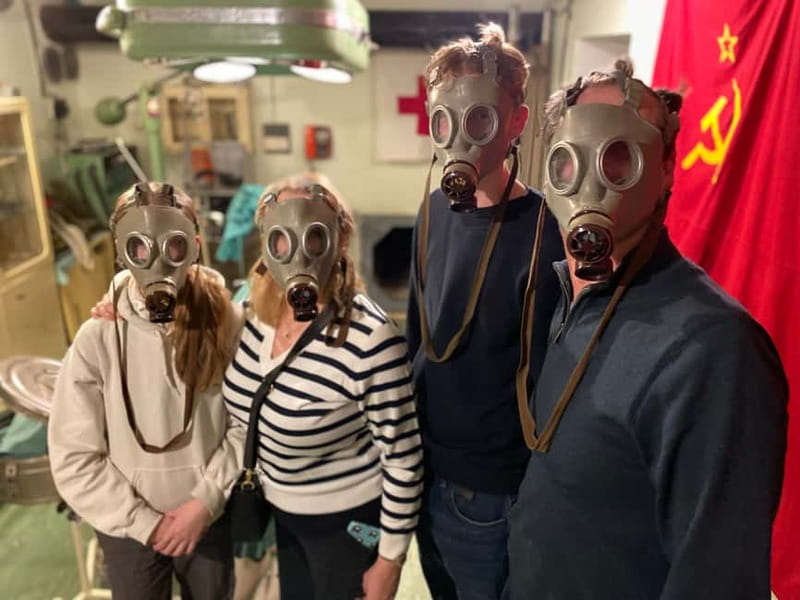
The bunker visit is also interactive. Guides have allowed people to handle or try on period uniforms and equipment, take photographs, and play along with some of the roles associated with the shelter. Klara has even used light roleplay to explain how the bunker functioned, making the visit more memorable without losing its historical purpose.
The atmosphere may not suit everyone. The tour is specifically not suitable for people with claustrophobia. If enclosed underground spaces make you uncomfortable, choose the two-hour walking tour instead. The bunker is a strong addition, but it should not be treated as a compulsory part of the Prague experience.
The extra admission included in the longer option also improves the value. You are paying more for roughly two additional hours, a canteen stop, and bunker entry, not just for extra walking. At about $33 per person, the full version is fairly priced if you want a focused history experience and an unusual site.
Guides, group size, and the feel of the tour
The group limit is 15 people, which is a practical number for a walking tour. You should be able to hear the guide and ask questions without needing to fight for attention. Smaller groups may be even better, and the tour can feel more like a conversation when numbers are low.
Klara is especially well suited to people who want personal context. She has used family experiences from the communist period, historic photographs, and easy humor to explain complicated material. Leo’s approach includes quiz questions and an energetic presentation. Tereza has also been praised for bringing a strong command of the subject and a friendly manner.
Guide quality matters a great deal here. The route itself is central Prague, but the communist story is not always visible at first glance. A guide who can explain what happened, where it happened, and how it affected daily life makes the difference between a useful tour and a generic history lecture.
You should feel free to ask questions. The guides have been described as willing to stop, explain difficult points, and answer questions from both first-time learners and people who already know basic Czech history.
Timing, price, and practical details
You can choose between a two-hour Communism Walking Tour and a four-hour tour that adds the canteen and bunker. Starting times vary, so check availability for the date you want.
The price begins at $33 per person. The two-hour option gives you the city walk and communist history focus. The four-hour option includes the 1950s bunker admission and guided bunker visit, while lunch or Kofola is paid separately.
For value, I would choose the four-hour version if you have the time and are comfortable underground. The bunker admission alone is listed at about €10, and the added canteen stop gives the experience a useful everyday angle. The shorter tour makes better sense if you have limited time, prefer outdoor sightseeing, or do not want to enter a bunker.
The tour is in English and is led by a live guide. It runs in rain or sunshine, so the weather should not be your only reason for cancelling. Free cancellation is available up to 24 hours before the start, and you can reserve now and pay later, which helps if your Prague schedule is still changing.
There is one point worth checking before you set off. The meeting information says to meet at the Powder Tower and return to the meeting point, while the route details also name Jalta Boutique Hotel as the finish. Confirm the exact ending point when you book or ask the guide at the start.
Who should book this Prague experience
I would recommend this tour to you if you want more than Prague’s castles, churches, and pretty lanes. It suits history-minded visitors, curious first-time visitors, and anyone who wants a local explanation of how the city changed during the twentieth century.
It is also a good option for families with older children and teenagers who learn better through places, questions, and hands-on objects. The bunker uniforms, photographs, and quiz-style questions can make the subject easier to follow than a long museum display.
You may want to skip it if you dislike walking, have claustrophobia, or want a broad overview of Prague rather than a tour centered on communism. The lunch is not included, and the four-hour version requires a real block of time in your schedule.
Should you book the two-hour or four-hour tour?
Choose the two-hour walk if you want a clear introduction to Prague’s communist past, prefer staying above ground, or have other plans later in the day.
Choose the four-hour tour if you want the strongest value, can handle a bunker, and like the idea of pairing major political events with a workers’ meal or Kofola. The bunker adds atmosphere, while the canteen adds an ordinary, human side to the story.
I would book the longer option for anyone with a serious interest in twentieth-century Europe. The small group, local guides, personal stories, visual material, and hands-on bunker visit give the tour more substance than a standard sightseeing walk. Just wear comfortable shoes, budget separately for lunch, and confirm the finish point before you go.
FAQ
Where does the tour start?
It starts at the Powder Tower on Náměstí Republiky, also called Republic Square. Look for guides holding a blue umbrella.
What language is the tour in?
The live guided tour is conducted in English.
How long does the experience last?
You can choose a two-hour walking tour or a four-hour tour that includes the canteen stop and nuclear bunker.
What places does the walking tour cover?
The walk begins near the Powder Tower and continues through Prague’s Old Town and New Town. The route includes the area around Wenceslas Square.
What historical events are discussed?
The guide covers the 1948 Communist coup, the Prague Spring, and the Velvet Revolution of 1989, along with the wider experience of Czechoslovakia under communism.
Is lunch included in the price?
No. The four-hour tour includes a break at a 1970s-style workers’ canteen, but the Czech meal or Kofola is bought at your own expense.
Is the nuclear bunker included?
The bunker entry fee, listed as 250 CZK or about €10, is included when you select the four-hour bunker option. The guided bunker visit is also included with that option.
Is the tour suitable for people with claustrophobia?
No. The activity is not suitable for people with claustrophobia because the longer option enters a nuclear bunker.
Can I cancel the booking?
Yes. You can cancel up to 24 hours in advance for a full refund. Reserve now and pay later is also available.
Just added around Prague
- Prague Highlights 4 Hour Private Walking Tour★ 5.0 · 3 reviews
- VIP Prague Segway Tour Around Monastic Breweries★ 4.0 · 3 reviews
- Private Guided Tour from Prague to UNESCO Kutna Hora★ 5.0 · 3 reviews
- From Prague Day Unique Tour To Cesky Krumlov★ 4.5 · 3 reviews
- Cesky Krumlov: Insta-Perfect Walk with a Local★ 5.0 · 3 reviews
- Prague: WWII Tour with Local Historian SMALL GROUP★ 5.0 · 3 reviews
- Learn Traditional Czech Cooking from Authentic Family Recipes★ 5.0 · 3 reviews
- Prague Tour in Spanish★ 5.0 · 3 reviews
Communism & Cold War Tours, compared.
Communism History and Nuclear Bunker Guided Tour
Read our review →
Prague Communism History and Nuclear Bunker Tour
Read our review →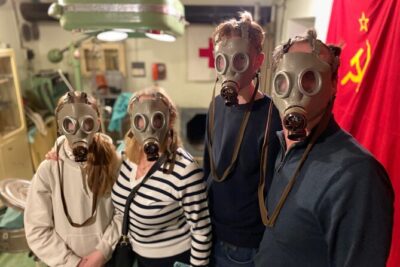
Communism & Nuclear Bunker Tour + 70s Canteen Lunch (own expense)
Read our review →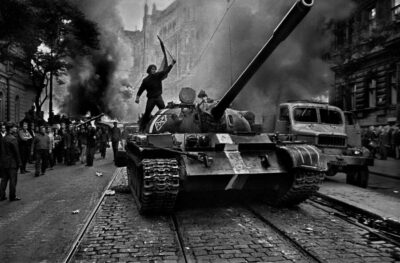
Second World War & Communism (Tip-based 3 hour tour)
Read our review →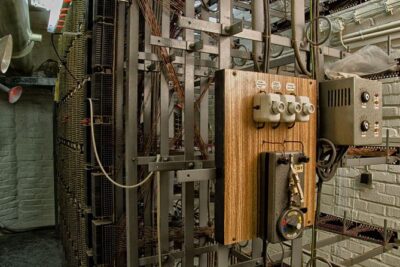
Skip the Line: 10-Z Bunker Entrance Ticket in Brno
Read our review →Browse the lists this tour appears in