
Reviewed · TEREZíN MEMORIAL DAY TRIPS
Second World War & Communism (Tip-based 3 hour tour)
Prague’s recent past comes into focus on this three-hour walk, which links the Nazi occupation, the Prague Uprising, Communism, and the Velvet Revolution through real streets and memorials. The final stop, the crypt connected with Operation Anthropoid, gives the tour its most powerful finish.
I like the clear route from Klárov to the Cathedral of Saints Cyril and Methodius, and I like the way the tour connects political events with ordinary Czech lives. Guides including Kamil, Vaclav, Katerina, Katarina, and Kuba have been praised for clear storytelling and personal accounts. The main drawback is the nearly 5-kilometer walk, plus some uncertainty about group size.
In This Review
- Key points to know before booking
- Why this route adds depth to Prague sightseeing
- Klárov: independence, occupation, and resistance
- Pinkas Synagogue and the fate of Czech Jews
- Old Town Square and the Prague Uprising
- Wenceslas Square: 1968 and Jan Palach
- Kafka’s rotating head and art under Communism
- Národní třída and the Velvet Revolution
- The National Theatre and Václav Havel
- Dancing House and the Valentine’s Day bombing
- Operation Anthropoid at Saints Cyril and Methodius Cathedral
- How the guides shape the experience
- Walking, group size, and practical value
- Who should book this Prague history walk?
- Should you book Second World War & Communism?
- FAQ
- How long is the Second World War & Communism tour?
- How much does the tour cost?
- What language is the tour offered in?
- Where does the tour begin?
- Where does the tour end?
- Is museum admission included?
- How much walking is involved?
- Can I cancel for a full refund?
Key points to know before booking
- Operation Anthropoid ends the tour: You enter the museum and crypt where resistance soldiers hid after the assassination of Reinhard Heydrich.
- Nine stops cover a century of Czech history: The route moves from independence after World War I through Nazi rule, Communism, 1968, and 1989.
- The tip-based price is unusually low: The listed cost is $3.60 per person, though you should budget an additional tip if the guide’s work earns it.
- The guides are the tour’s main strength: Kamil, Vaclav, Katerina, Katarina, and Kuba are singled out for strong explanations, storytelling, and first-hand insight.
- Plan for steady walking: One account measured the route at about 5 kilometers, and the tour is not recommended for people with mobility problems.
- Check the expected group size: The activity is described as private, yet one booking was much larger than expected, with 24 people rather than 8.
Why this route adds depth to Prague sightseeing
Prague’s castle, Old Town, and grand churches often dominate a first visit. They are worth your time, but they can leave out the events that shaped modern Czech life. This tour shifts your attention to the last century, when the country moved from independence to occupation, Soviet influence, democratic protest, and a new republic.
You are not sitting in a museum for three hours. You walk through central Prague while the guide explains why each place matters. That physical movement helps connect separate events. Wenceslas Square is not just a broad city boulevard, for example. It becomes a setting for Communist rule, the 1968 invasion, and Jan Palach’s protest.
The tour is especially useful if you know the broad outline of World War II and the Cold War but want to understand how those events affected Czechoslovakia. It also works well if you want to go beyond royal Prague and hear about resistance, Jewish communities, political pressure, and the choices people faced under two different dictatorships.
The tip-based structure makes the $3.60 booking price a low-risk way to test the subject. Still, the price is not the whole cost in practical terms. A good guide carries much of the experience, so I would plan to give a fair tip at the end if the tour is clear, thoughtful, and well paced.
More Terezin memorial day trips:
- From Prague: Terezin Concentration Camp Guided Tour w/ Audio
★ 4.5 · 1,959 reviews - From Prague: Tour of Terezin Concentration Camp
★ 4.4 · 1,269 reviews - Prague: WWII Guided Tour & The Crypt of Operation Anthropoid
★ 4.7 · 1,030 reviews
Klárov: independence, occupation, and resistance
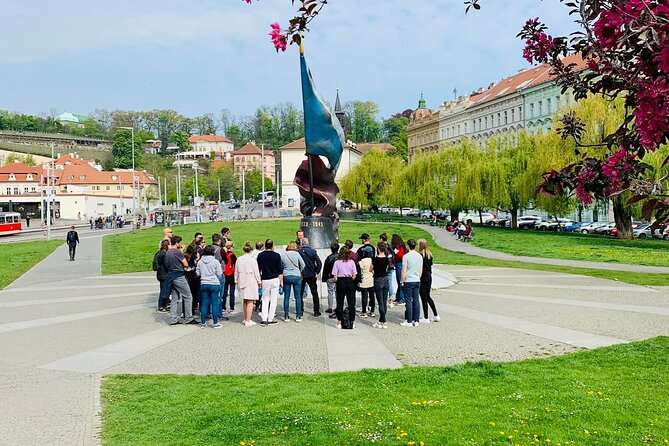
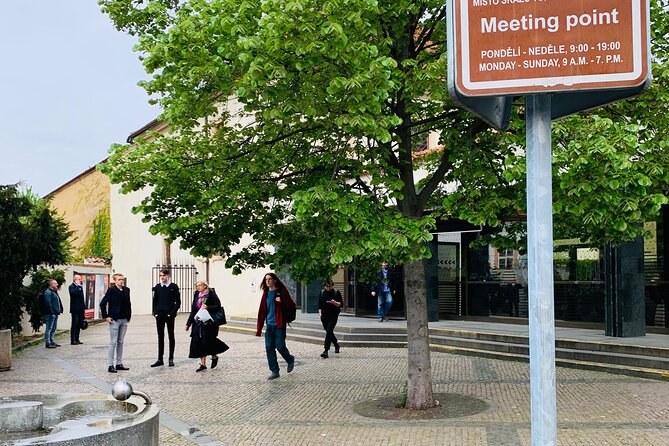
The walk begins at Metrocafe Klárov in Malá Strana. This is a useful opening because two monuments nearby frame the first part of the story: the Memorial to the Second Resistance and the Winged Lion Memorial.
Here, the guide explains how Czechoslovakia gained independence after World War I, why it became one of the first countries occupied by Hitler, and what happened to Czechoslovak soldiers during World War II. Those subjects give you the political setup before the route moves into the human cost of occupation.
Allow about 20 minutes at Klárov. Admission is free, and the stop is outdoors, so you can expect the usual city conditions rather than a formal museum setting. This opening is less about a single dramatic building and more about setting the timeline in place.
I like that the tour begins with independence rather than treating 1939 as the starting point. You get a clearer sense of what was lost when the young country was occupied. If you are mainly interested in military operations, this section may feel introductory, but it gives the later stops much-needed context.
Pinkas Synagogue and the fate of Czech Jews
At Pinkas Synagogue, the focus turns to Czech Jewish communities during the war. The guide discusses how many people managed to emigrate and what happened to those who remained.
The scheduled explanation here lasts about 15 minutes, with no separate admission included because the stop itself is listed as free. The synagogue is an important place for this subject, but the tour’s value comes from the explanation rather than from a lengthy interior visit.
This is one of the more somber sections of the route. It also prevents the war story from becoming only a tale of armies and political leaders. You hear about emigration, the shrinking choices available to Jewish families, and the fate of those who could not leave.
You should expect a compact treatment rather than a full study of Czech Jewish life. The tour has nine stops and covers a large period, so this section introduces the subject within the larger route instead of giving it an entire morning.
Old Town Square and the Prague Uprising
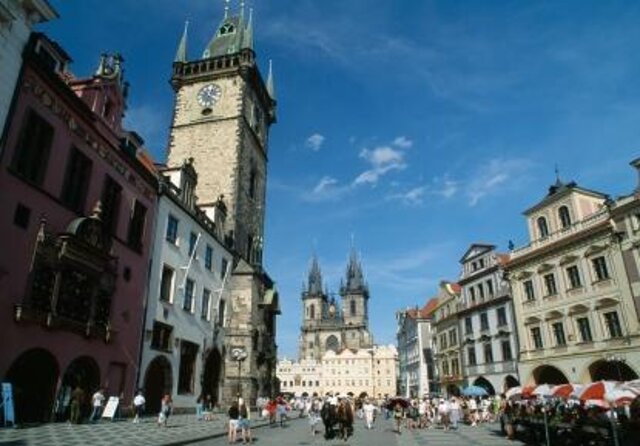
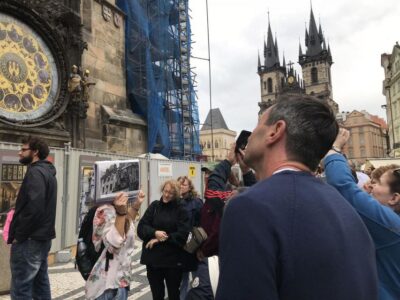
At Staroměstské náměstí, beside the Old Town Hall, the guide explains the Prague Uprising and the final stage of World War II. The stop lasts about 20 minutes.
This is where the tour begins connecting the end of the war with what followed. The guide explains how the political situation after liberation helped set the stage for the rise of Communism in Czechoslovakia. That link is one of the most useful parts of the walk because it avoids treating 1945 and 1948 as unrelated events.
Old Town Square is usually crowded with sightseeing traffic, and that can make it harder to hear. A clear guide matters here. The strongest descriptions of this experience praise guides for presenting the material in a straight, easy-to-follow order, which is particularly helpful in a busy public square.
I would pay close attention to the transitions at this stop. The tour is not only asking what happened during the war. It is asking why the end of the war did not simply restore the political life that had existed before occupation.
More communism and Cold War tours:
- Prague: Communism History and Nuclear Bunker Guided Tour
★ 4.7 · 2,417 reviews - Prague Communism History and Nuclear Bunker Tour
★ 5.0 · 1,742 reviews - Communism & Nuclear Bunker Tour + 70s Canteen Lunch (own expense)
★ 5.0 · 1,036 reviews - Prague: Communism and Bunker Tour with 70s Canteen Lunch
★ 4.8 · 250 reviews
Wenceslas Square: 1968 and Jan Palach
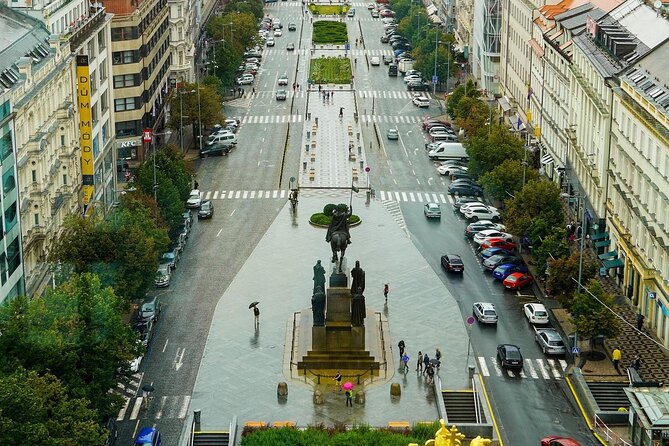
The walk continues to Wenceslas Square for another 20-minute stop. Here, you learn what happened after Communism began, why Warsaw Pact armies invaded Czechoslovakia in 1968, and where Jan Palach set himself on fire in protest.
This is likely to be one of the most recognizable places on the route, but the political meaning is easy to miss if you only see the square as a shopping and transport area. The guide turns it into a place of protest, state power, and public memory.
The 1968 invasion is a key subject for anyone trying to understand the Cold War beyond the usual story of Berlin and the Cuban Missile Crisis. The tour places Czechoslovakia inside that larger struggle while keeping the focus on what happened in Prague.
The stop also introduces Jan Palach, whose self-immolation became a symbol of resistance. The subject is difficult, and the guide’s tone matters. Feedback specifically praises guides for explaining these events with clarity and, in one case, for sharing first-hand accounts of life under Communism.
Kafka’s rotating head and art under Communism
At OC Quadrio, you see the Rotating Head of Kafka and hear about art during Communism. This stop lasts approximately 15 minutes.
The Kafka sculpture gives the guide a concrete way to discuss how artists worked under political restrictions. You are not simply looking at a modern sculpture. You are using a public artwork to consider what could be expressed, what might be censored, and how art could carry ideas indirectly.
This is a shorter stop, but it adds variety to a route otherwise filled with military and political events. I appreciate that the tour includes cultural life rather than presenting Communism only through invasions, leaders, and official policy.
Do not expect a separate art tour. The stop is brief, and the subject is part of the broader story. If your main interest is architecture or contemporary sculpture, you may want more time at the site than the tour provides.
Národní třída and the Velvet Revolution
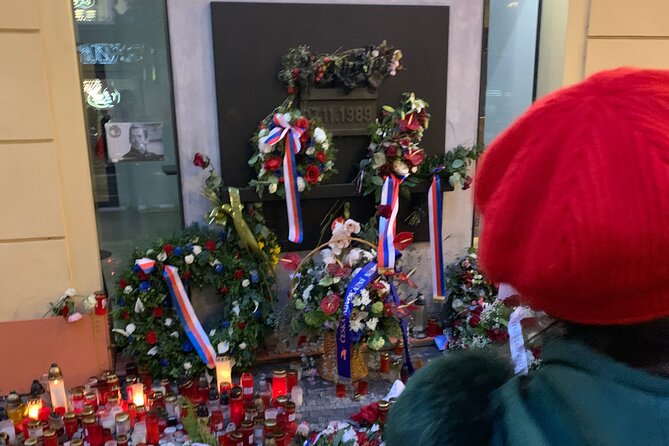
At Národní třída, the route reaches the hands reaching out of a wall, a memorial connected with the fall of Communism and the Velvet Revolution. The explanation lasts about 15 minutes.
This is the point where the story moves from repression and protest toward political change. The guide explains the Velvet Revolution and the collapse of Communist rule, helping you see 1989 as a public movement rather than just a date in a textbook.
The stop pairs well with Wenceslas Square. At Wenceslas, you hear about protest under Communist authority. At Národní třída, you hear about the movement that helped bring that system down.
The imagery of the hands gives the discussion a strong visual anchor. You might find this section especially useful if you know that Václav Havel became president but are less familiar with the street-level events that made his political role possible.
The National Theatre and Václav Havel
The National Theatre receives a shorter 10-minute explanation. The guide introduces Václav Havel, the first president of Czechoslovakia after the fall of Communism, and explains his role during the Velvet Revolution.
This stop gives the political story a human face. Havel was not introduced only as a president. The tour places him within the movement that challenged Communist rule, making his later office part of the same chain of events.
Because the stop is brief, you should not expect a full biography. Its purpose is to connect the public buildings and protests along the route with one of the most important figures in modern Czech politics.
The National Theatre also provides a change of setting after the memorial at Národní třída. The route continues to use ordinary parts of the city as places where the recent past remains visible.
Dancing House and the Valentine’s Day bombing
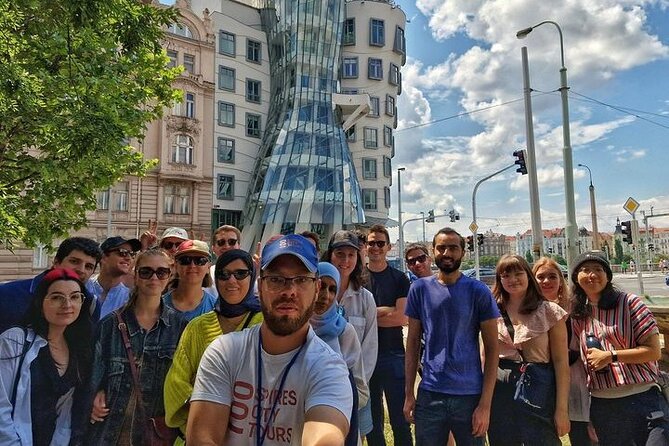
At the Dancing House, the guide shows you the building and tells the story of the Valentine’s Day bombing. This stop lasts about 10 minutes.
The subject is a reminder that the city’s wartime story includes events outside the main military timeline. The tour places the bombing alongside the modern building, creating a contrast between Prague’s later architectural identity and the violence of the war years.
This is a short stop, so listen for the basic facts and the connection to the wider story. The route does not treat every location as a full lecture. Instead, each one adds a piece to a chronological walk.
The Dancing House is also a practical marker near the end of the tour. The final cathedral and crypt are about a one-minute walk from the Dancing House or Charles Square, so you can easily orient yourself once the group moves on.
Operation Anthropoid at Saints Cyril and Methodius Cathedral
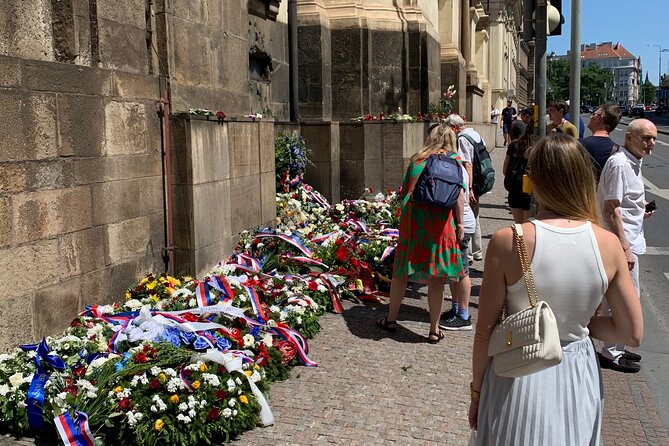
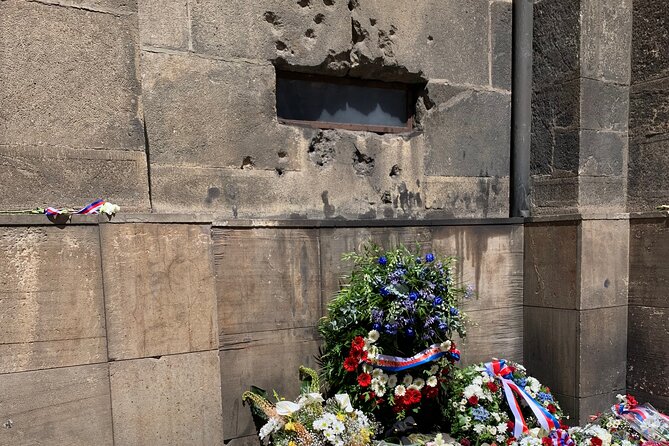
The tour finishes at the Orthodox Cathedral of Saints Cyril and Methodius on Resslova Street. The final explanation lasts about 20 minutes and covers Operation Anthropoid, described as the most important achievement of the Czechoslovak resistance during World War II.
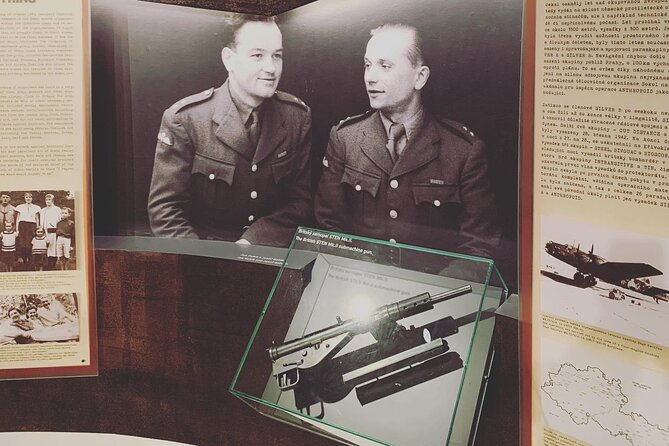
You also receive entry to the Museum of Anthropoid Operation. The tour ends in the crypt, which served as the hideout for soldiers involved in the operation. This is the only included museum entry listed, and it gives the final stop more weight than a standard outdoor explanation.
Ending here is a strong structural choice. The tour begins with broad political questions at Klárov and finishes with a focused resistance story in a specific place. After several stops on occupation, Communism, and protest, the crypt brings the wartime story back to individual courage and danger.
Animals are not allowed inside the war memorial, although service animals are allowed on the tour generally. The activity information also warns that the route is not recommended for people with mobility problems. You should be prepared for a walking tour that ends inside a memorial space rather than at a typical sightseeing plaza.
How the guides shape the experience
The guide is the most important variable here. Kamil is praised for combining strong knowledge of the subject with passion and personal experience. Vaclav is described as a clear, linear storyteller who built suspense and handled a fairly large group well.
Katerina and Katarina are both praised for making the movement from World War II through Communism and into the present easy to follow. One account specifically valued first-hand stories about life under Communism. Kuba is also described as informative and easy to follow.
Those names do not mean you can necessarily request a particular guide. They show the range of guiding styles associated with the experience. You can expect an English-speaking, certified guide in person, but the exact personality and pacing will depend on who leads your departure.
The strongest praise focuses on three things: clear organization, storytelling, and personal perspective. That combination matters in a subject with many dates, political shifts, and unfamiliar names. A guide who keeps the order straight can make the three hours feel surprisingly quick.
Walking, group size, and practical value
The route takes about three hours and covers roughly 5 kilometers according to one account. You will be on city streets and moving between stops, so comfortable shoes and a moderate level of fitness are sensible.
The tour is near public transportation, begins at Metrocafe Klárov 51, and ends at the cathedral on Resslova Street in Prague 2. Since the start and finish are in different parts of central Prague, do not treat the meeting point as the return point. The end is close to the Dancing House and Charles Square.
The activity is described as private, with only your group participating. However, one account reported a group of 24 people despite expecting no more than 8. If a small group is important to you, confirm the current arrangement before booking rather than assuming the private-tour description guarantees a tiny party.
At $3.60 per person, the listed price is hard to judge like a standard commercial tour because this is a tip-based experience. The booking charge gets you onto the walk, while the guide’s compensation depends largely on what you decide the experience was worth. One person specifically appreciated that structure and chose to pay much more than for similar tours because the guide delivered strong value.
You can cancel for a full refund up to 24 hours before the start time. Cancellations or changes inside that window are not refunded or accepted, and the provider may cancel if the minimum number of participants is not reached.
Who should book this Prague history walk?
I would choose this tour if you want modern Czech history explained while you walk through the city. It is a good fit for World War II and Cold War buffs, but you do not need specialist knowledge. The guide builds the story from independence and occupation, then moves through Jewish persecution, resistance, Communist rule, 1968, 1989, and Havel.
It also suits you if you have already seen Prague’s main medieval sights and want a different side of the city. The route adds meaning to places you might otherwise pass without understanding, especially Wenceslas Square, Národní třída, and the area around the Dancing House.
I would hesitate if you dislike long walks, have mobility problems, or want extensive time inside museums. Most stops are short, and the tour covers a lot of ground. You should also check group size if you prefer a quiet, intimate discussion.
Should you book Second World War & Communism?
Book it if you want a compact, serious introduction to Prague’s last century, especially the links between Nazi occupation, resistance, Communism, and the Velvet Revolution. The final Anthropoid museum and crypt are a strong reason to go, and the low tip-based price keeps the financial risk small.
Skip it if your Prague plans are already packed with walking tours or if you want detailed coverage of one subject only. This experience moves quickly across many events. For most history-minded visitors, though, the clear route, strong guide reports, and meaningful final stop make it a worthwhile three hours.
FAQ
How long is the Second World War & Communism tour?
The tour lasts approximately three hours.
How much does the tour cost?
The listed price is $3.60 per person. It is a tip-based tour, so you can choose what to pay the guide based on the experience.
What language is the tour offered in?
The tour is offered in English and includes a certified, in-person guide.
Where does the tour begin?
The meeting point is Metrocafe Klárov 51, 118 00 Praha 1-Malá Strana, Czechia.
Where does the tour end?
The tour ends at the Orthodox Cathedral of Saints Cyril and Methodius on Resslova Street. The final stop is in the crypt connected with the Anthropoid operation.
Is museum admission included?
Yes. Entry to the Museum of Anthropoid Operation is included.
How much walking is involved?
The tour covers about 5 kilometers according to one account and requires a moderate level of physical fitness. It is not recommended for people with mobility problems.
Can I cancel for a full refund?
Yes. You can cancel at least 24 hours before the local start time for a full refund. Cancellations or changes made less than 24 hours before the start time are not accepted or refunded.
More 3-Hour Experiences in Prague
- Prague: 3-Hour Walking Tour of Old Town & Prague Castle
★ 4.7 · 5,696 reviews - Prague: 3-Hour Old Town and Prague Castle Tour in German
★ 4.8 · 5,671 reviews - 3-hour Complete Prague Bike Tour
★ 5.0 · 3,674 reviews - Prague 3-hour Afternoon Walking Tour including Prague Castle
★ 5.0 · 1,899 reviews
Just added around Prague
- Prague Highlights 4 Hour Private Walking Tour★ 5.0 · 3 reviews
- VIP Prague Segway Tour Around Monastic Breweries★ 4.0 · 3 reviews
- Private Guided Tour from Prague to UNESCO Kutna Hora★ 5.0 · 3 reviews
- From Prague Day Unique Tour To Cesky Krumlov★ 4.5 · 3 reviews
- Cesky Krumlov: Insta-Perfect Walk with a Local★ 5.0 · 3 reviews
- Prague: WWII Tour with Local Historian SMALL GROUP★ 5.0 · 3 reviews
- Learn Traditional Czech Cooking from Authentic Family Recipes★ 5.0 · 3 reviews
- Prague Tour in Spanish★ 5.0 · 3 reviews
Terezín Memorial Day Trips, compared.
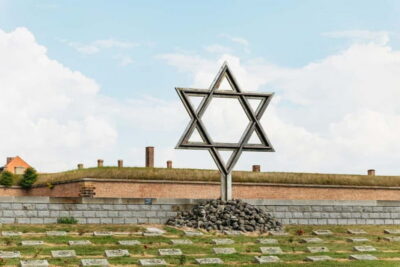
Terezin Concentration Camp Guided Tour w/ Audio
Read our review →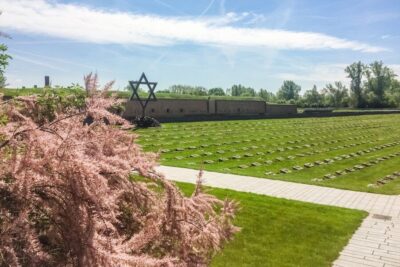
WWII Guided Tour & The Crypt of Operation Anthropoid
Read our review →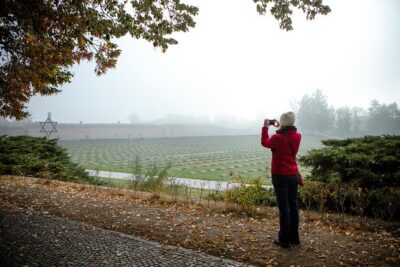
Terezin Concentration Camp Day Tour from Prague
Read our review →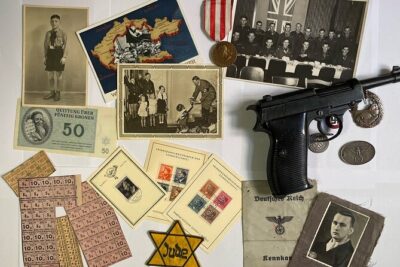
WWII in Prague Tour & The Crypt of Operation Anthropoid
Read our review →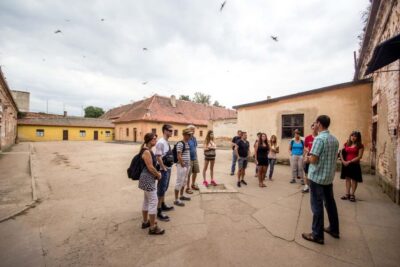
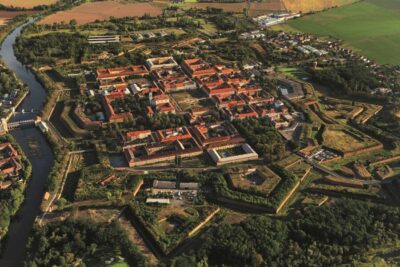
Terezin & Bohemian Switzerland from Prague: Bastei, Narnia & Café
Read our review →Browse the lists this tour appears in