

Reviewed · TEREZíN MEMORIAL DAY TRIPS
WWII and Communism History in Prague’s Old Town Private Tour
The most powerful part of this tour is the way it connects Prague’s streets with the city’s darkest political chapters. You move from the Jewish Quarter and Nazi occupation to the 1945 Prague Uprising, then on to the Communist takeover and the 1989 Velvet Revolution. History happens at street level here, not in a dry classroom.
I like the private format, which gives you room to ask questions, and I like the clear route through Josefov, Old Town Square, Petschek Palace, and Wenceslas Square. Guide Sofija earned special praise for answering difficult questions and adding small anecdotes, while Markéta was described as entertaining and highly informed. The main drawback is that the two-hour option is mostly an outdoor walk and does not include the Museum of Communism.
In This Review
- Key points to know before you book
- A serious history walk through Prague’s Old Town
- Starting in Josefov, Prague’s Jewish Quarter
- Old Town Square and the May 1945 uprising
- Petschek Palace and the machinery of Nazi repression
- Wenceslas Square and the road to 1989
- What the four-hour Museum of Communism adds
- How the private guide changes the experience
- Timing, pace, and practical planning
- Who will get the most from this tour?
- Should you book the WWII and Communism History Tour?
- FAQ
- Where does the tour meet?
- How long does the tour last?
- Is the Museum of Communism included?
- What places are included in the walking route?
- What languages are available?
- Is the tour private?
- Can I cancel the booking?
Key points to know before you book
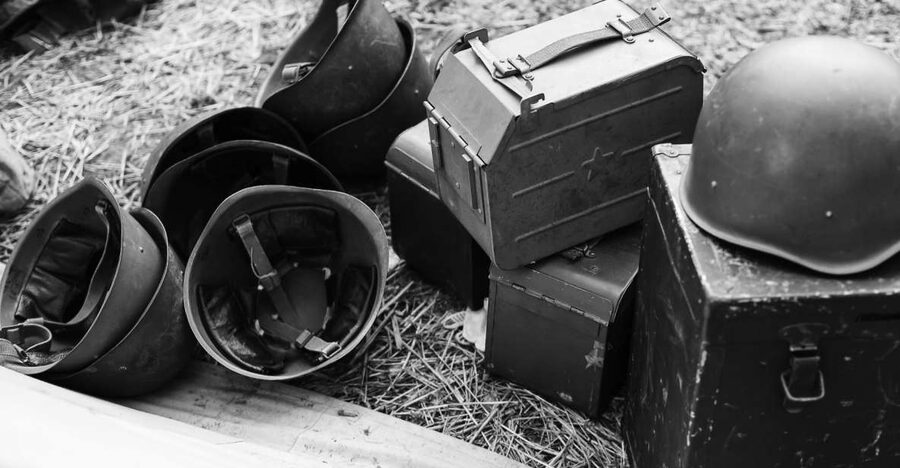
- The route links four turning points: Nazi occupation, the Prague Uprising of 1945, Communist rule, and the Velvet Revolution of 1989.
- Josefov adds a serious opening: You hear about Czech Jews sent to Theresienstadt and the Nazi plan for a museum about an extinct people.
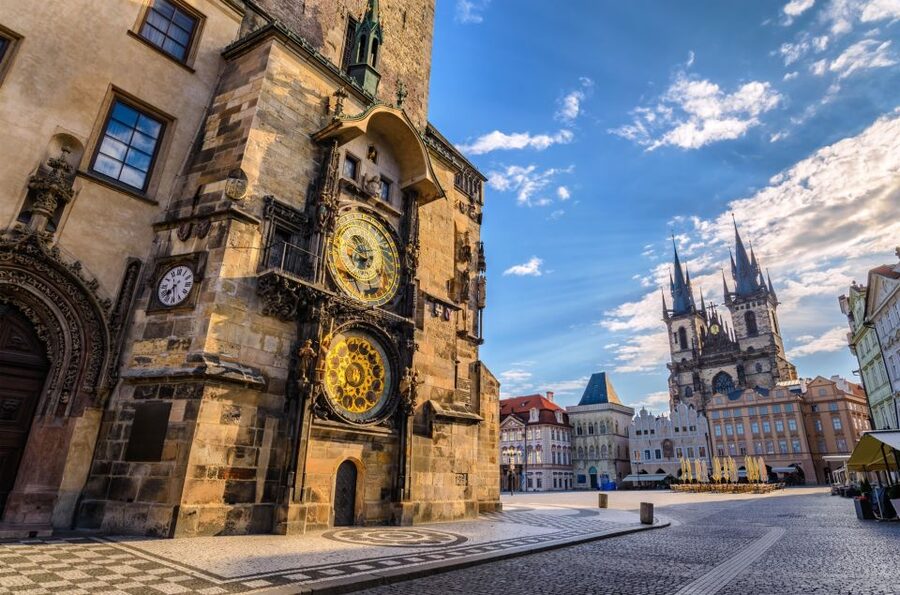
- Old Town Square shows wartime damage: The Astronomical Clock and Old Town Hall suffered during the battles of May 5 to 9, 1945.
- Petschek Palace reveals the cost of resistance: The former Gestapo headquarters is tied to interrogations, torture, and Czech resistance work.
- The four-hour choice adds the Museum of Communism: Its displays cover the Cold War, Prague Spring, the 1968 Soviet invasion, Jan Palach, propaganda, and the Velvet Revolution.
- You get a private guide in your language: Tours are offered in English, French, German, Italian, Polish, Russian, Spanish, and Czech.
A serious history walk through Prague’s Old Town
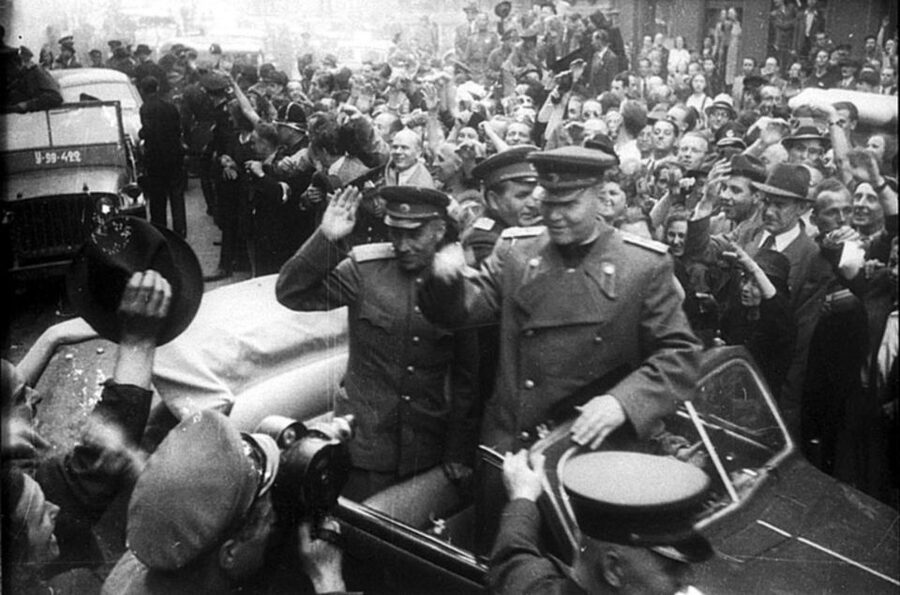
This is not a general sightseeing tour with a few wartime facts added along the way. The route has a focused purpose: to explain how Prague lived under German occupation, how the city fought back in 1945, how Communist rule took hold, and how ordinary people helped end it in 1989.
That focus makes the tour a good choice if you want political history tied to real places. You will not simply hear that an uprising happened. You will stand at Old Town Square and learn how the fighting affected the Old Town Hall. You will not just hear that the Gestapo operated in Prague. You will walk to Petschek Palace, its former headquarters.
The tour lasts two hours in its shorter form, or four hours if you add the Museum of Communism. At $104 per person, the cost is easier to justify for a small private group that wants an expert-led history lesson rather than a broad city overview. For one or two people, it is a substantial expense. For a family or group sharing the private guide, the value improves because the pace and questions can be shaped around your interests.
More Terezin memorial day trips:
- From Prague: Terezin Concentration Camp Guided Tour w/ Audio
★ 4.5 · 1,959 reviews - From Prague: Tour of Terezin Concentration Camp
★ 4.4 · 1,269 reviews - Prague: WWII Guided Tour & The Crypt of Operation Anthropoid
★ 4.7 · 1,030 reviews
Starting in Josefov, Prague’s Jewish Quarter
Meet your guide in front of the World of Franz Kafka at Náměstí Franze Kafky 16/1 in Staré Město. From there, the walk begins in Josefov, one of Europe’s best-preserved Jewish quarters.
The opening gives you an important warning about the limits of looking at Prague only through its pretty buildings. You will see the Maisel Synagogue and the Spanish Synagogue while learning about the forced transport of Czech Jews to Theresienstadt concentration camp.
Your guide also explains Hitler’s plan to create a museum about the extinct Jewish people after the Nazi genocide. That detail is especially chilling because it shows how the Nazi regime treated cultural objects and historic buildings as part of its propaganda, even while destroying the communities that gave them meaning.
The synagogues are not presented as isolated sights. They help explain what was lost. If you have already visited Josefov’s museums and synagogues, this part may repeat some background, but the tour’s emphasis on occupation and deportation gives the quarter a different frame.
Expect the tone to be sober from the start. This is not a light introductory walk, and families should decide in advance if the subject matter suits younger children.
Old Town Square and the May 1945 uprising
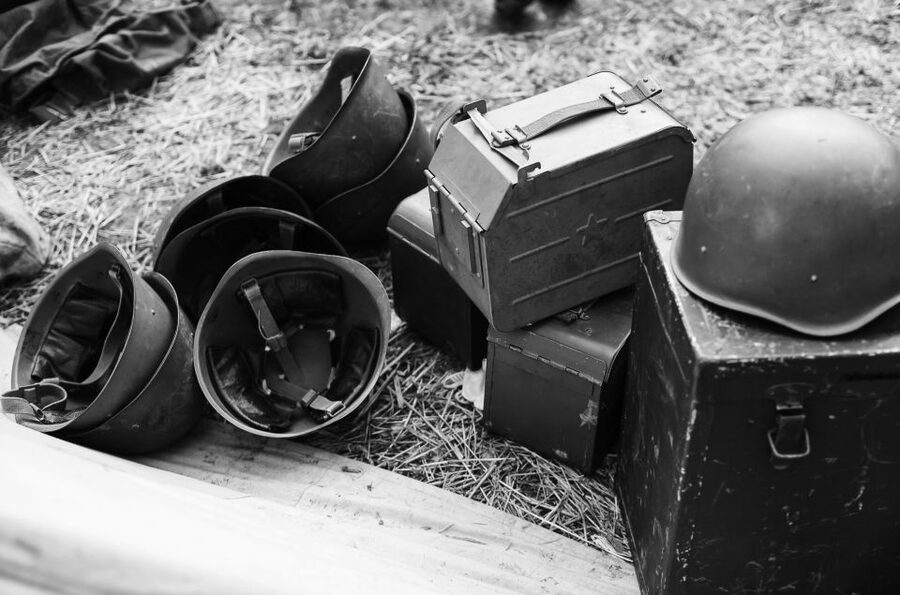
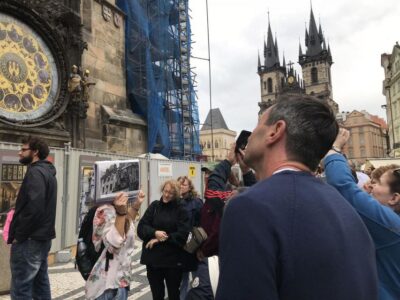
The route continues to Old Town Square, where your guide explains the Prague Uprising of May 5 to 9, 1945. This was a bloody fight for the city as the war was ending, and the Old Town Hall suffered heavy damage.
The Astronomical Clock remains one of Prague’s most familiar sights, but here you look at it with a different question: what happened to this building when the city rose against German rule? The clock’s place on the Old Town Hall facade makes the wartime damage especially easy to picture.
This stop also covers Prague’s liberation and the role of the Red Army. The military help was later used by the Czechoslovak Communist Party to build support for Communism. That connection is one of the tour’s most useful ideas. Liberation did not lead straight to a free democratic government. The end of Nazi rule created room for a new political order, and Soviet influence helped shape what came next.
I like this part because it avoids treating 1945 as a simple happy ending. You get the bravery of the uprising, the destruction caused by the fighting, and the political consequences that followed. The guide’s role matters here. Dates alone will not explain why liberation by one power could also aid the rise of another system.
Petschek Palace and the machinery of Nazi repression
From Old Town, you walk to Petschek Palace, the former Gestapo headquarters. A memorial plaque on the corner honors Czech resistance members.
This is one of the most sobering stops because the building connects the broad story of occupation with the personal cost of resistance. Your guide discusses interrogation and torture, along with the efforts of Czech men and women who opposed the Nazi regime.
The exterior visit has an obvious limitation: the tour does not promise access to the building’s interior. You are learning beside the former headquarters, using the plaque and the guide’s explanation to understand the place. Some people may prefer a museum setting with documents and objects, but the street location makes the story immediate.
The private format works well here. You can ask how the resistance operated, how people were caught, or how the Gestapo used the building. The tour description promises substantial attention to events and personalities, but the exact balance depends on your guide and your questions.
Guide Sofija was praised for handling questions with ease and adding personal anecdotes to the wider political story. That kind of response is valuable at a stop like Petschek Palace, where a short plaque cannot explain the full human cost.
More Old Town and Charles Bridge walks:
- Prague: Old Town Hall Tower Entry Ticket
★ 4.5 · 6,749 reviews - Prague: 3-Hour Walking Tour of Old Town & Prague Castle
★ 4.7 · 5,696 reviews - Prague: 3-Hour Old Town and Prague Castle Tour in German
★ 4.8 · 5,671 reviews - Prague: Canal Cruise Around Charles Bridge
★ 4.4 · 3,495 reviews
Wenceslas Square and the road to 1989

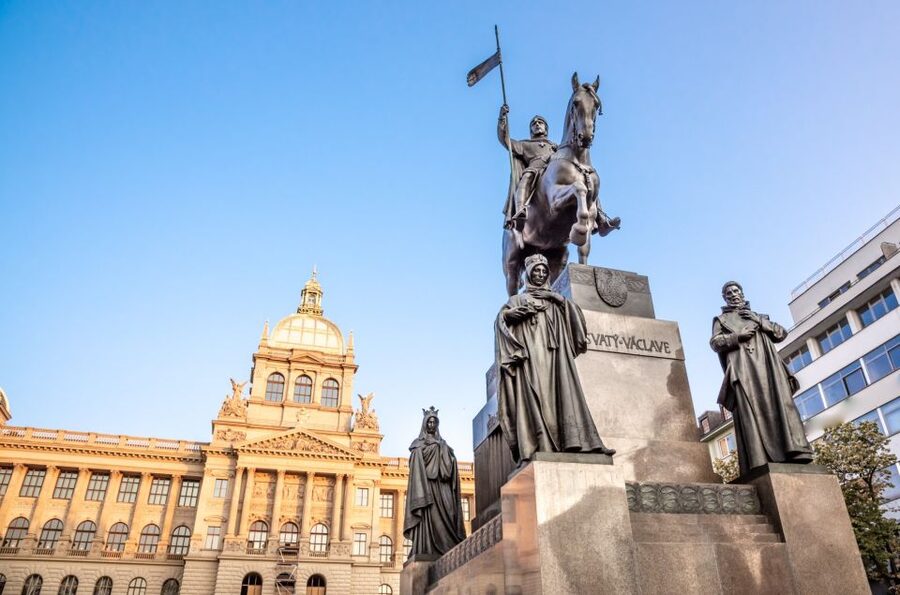
The two-hour walk ends at Wenceslas Square, a broad historic space used by the Nazis for mass demonstrations and later by the crowds of the 1989 Velvet Revolution.
This final stop brings the two halves of the tour together. The square lets you compare one-party mass politics under Nazi and Communist influence with the public demonstrations that helped bring Communist rule to an end.
The Velvet Revolution was not a distant event in Czech history. It is part of the memory of modern Prague, and Wenceslas Square gives the story a physical setting. Your guide explains the demonstrations and the movement for independence and democracy.
You will also hear about the decades between 1945 and 1989, including propaganda, censorship, political trials, and executions. The shorter tour can introduce these subjects, but it cannot examine each one at length. If Communist history is your main reason for booking, choose the extended option.
What the four-hour Museum of Communism adds
The four-hour option includes regular admission to the Museum of Communism. The museum covers the roughly four decades of Communist rule in Czechoslovakia and gives the outdoor walk a fuller political context.
Subjects include the Cold War, the Prague Spring, the Soviet invasion of 1968, the suicide of student Jan Palach, and the Velvet Revolution. You will also encounter the methods of the totalitarian regime: propaganda, censorship, political trials, and executions.
This extra time changes the tour from a concentrated street history lesson into a broader study of daily life and state power. The outdoor route shows where major events happened. The museum helps explain how the system worked over time.
For me, the four-hour version is the stronger choice if you have a serious interest in twentieth-century Central Europe. The Prague Spring and 1968 invasion need more than a passing mention, and Jan Palach’s story is difficult to understand without some context about censorship, political pressure, and public protest.
The tradeoff is time. Four hours is a large block in a short Prague visit, especially if you also want to see the city’s art, castle, churches, and neighborhoods. The museum is also a more formal stop, so choose the shorter option if you mainly want an outdoor orientation with the key sites.
Tickets to the museum are included only in the four-hour option. If you select the two-hour walk, museum admission is not included, so check the option carefully before paying.
How the private guide changes the experience
A private tour gives you a more flexible conversation than a large group walk. The guide can spend more time on Nazi occupation, resistance, Communist rule, or the Velvet Revolution, depending on what you want to understand.
The experience is offered in English, French, German, Italian, Polish, Russian, Spanish, and Czech. That matters for a subject filled with political terms, names, and painful personal stories. Hearing the explanation in the language you handle best can make a real difference.
The recent guide feedback points to two qualities worth looking for: strong command of facts and an engaging way of presenting them. Sofija was praised for answering every question put to her and adding anecdotes. Markéta was described as entertaining and highly informed. Olivier from France also valued personal moments shared by his guide, which helped connect national history with lived experience.
Those comments do not mean every tour will feel identical. Private guiding is personal, and the final tone depends on the person leading you. Still, the format gives you the best chance to ask for clarification rather than letting a confusing point pass.
The walk is listed as wheelchair accessible. You should still check the starting details and the day’s arrangements in advance, since the route uses public streets and several historic areas.
Timing, pace, and practical planning
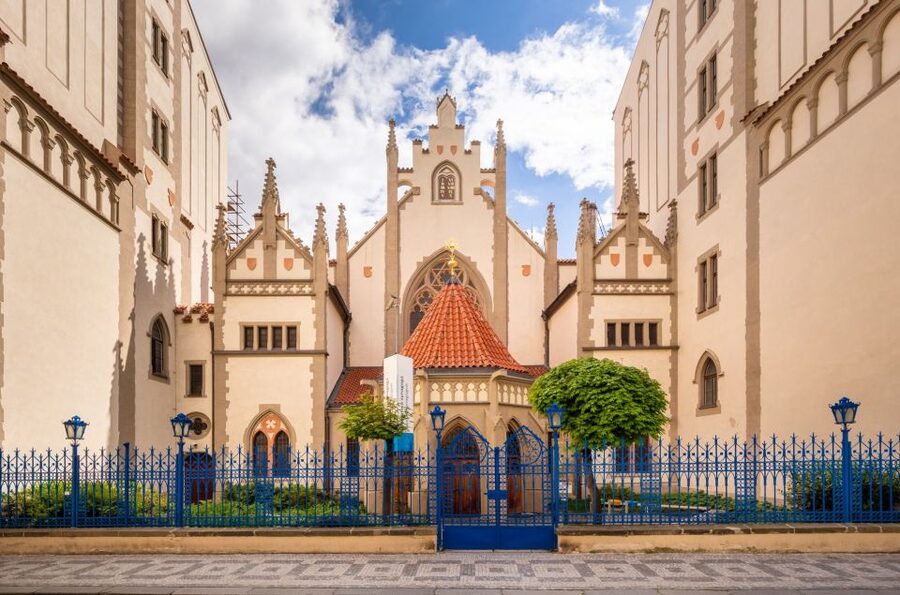
The meeting point is easy to identify: in front of the World of Franz Kafka at Náměstí Franze Kafky 16/1. Check your email the day before, since important tour information is sent then.
Starting times vary, so you need to check availability for your date. The activity is a walking tour, and the itinerary moves through several central Prague locations. Wear comfortable shoes and leave enough room in your schedule to listen, ask questions, and pause at the main sites.
The two-hour option is best placed early in your Prague stay if you want political bearings before visiting more museums. It can also work near the end of a city day because it finishes at Wenceslas Square, a useful central location.
The four-hour option needs more planning. You are combining a substantial outdoor route with museum time, so it is less suited to a rushed morning between other bookings. Give the subject the time it deserves.
Free cancellation is available up to 24 hours before the tour for a full refund, and you can reserve now and pay later. Those terms help if your Prague plans are still shifting, but the key choice remains the duration and museum option.
Who will get the most from this tour?
I would choose this tour if you enjoy history, want a private guide, and prefer places connected to events over a list of famous photo stops. It suits first-time visitors who want a serious introduction to Prague’s twentieth century, as well as returning visitors who have already seen the main monuments.
The four-hour version is especially useful for students, history-minded families, and anyone interested in the Cold War or the collapse of Communist governments in Europe. It gives you a better chance to understand the period between the Nazi occupation and the Velvet Revolution.
The two-hour option fits you better if you want a compact overview. It covers the most important outdoor locations, but it cannot provide the same detail as the museum extension.
This may not be the right choice if you want a relaxed, humorous city walk or a tour centered on architecture and food. The subject includes deportation, torture, executions, suicide, censorship, and political repression. The guide may present it with warmth and clarity, but the material remains heavy.
Should you book the WWII and Communism History Tour?
Book it if Prague’s wartime and Communist history is a priority, especially if you can share the $104 per-person cost with a private group and want the chance to ask detailed questions. I would lean toward the four-hour option because the Museum of Communism gives needed context to the outdoor stops.
Choose the two-hour walk if your schedule is tight or you mainly want the essential locations: Josefov, Old Town Square, Petschek Palace, and Wenceslas Square. You will get a focused route and a strong political outline, but not a full picture of daily life under Communism.
The best reason to book is the connection between place and story. You see the synagogue quarter, the damaged Old Town Hall, the former Gestapo headquarters, and the square where Communist rule was challenged. With a guide such as Sofija or Markéta, the tour can turn those locations into a clear account of how Prague endured occupation, dictatorship, and the long fight for democracy.
FAQ
Where does the tour meet?
Meet your guide in front of the World of Franz Kafka at Náměstí Franze Kafky 16/1, 110 00 Staré Město, Czechia.
How long does the tour last?
You can choose a two-hour walking tour or a four-hour option that includes the Museum of Communism.
Is the Museum of Communism included?
Museum admission is included in the four-hour option. It is not included in the basic two-hour option.
What places are included in the walking route?
The route includes Josefov, the Maisel Synagogue area, the Spanish Synagogue area, Old Town Square, the Old Town Hall and Astronomical Clock, Petschek Palace, and Wenceslas Square. The number of attractions depends on the option selected.
What languages are available?
The live guide can lead the tour in English, French, German, Italian, Polish, Russian, Spanish, or Czech.
Is the tour private?
Yes. The activity is arranged for a private group with a history expert guide.
Can I cancel the booking?
You can cancel up to 24 hours in advance for a full refund. You can also reserve now and pay later, keeping your travel plans flexible.
More History Walks around Prague
- Prague: Oldtown, Medieval Underground & Dungeon History Tour
★ 4.2 · 8,244 reviews - Prague Old Town, Medieval Underground and Dungeon Historical Tour
★ 4.5 · 3,227 reviews - Prague: Historic City Center Bus Tour with Top Sights
★ 4.4 · 2,360 reviews - Prague Historic Pub Tour with Drinks Included
★ 5.0 · 2,084 reviews
More Communism and Cold War Tours
- Prague: Communism History and Nuclear Bunker Guided Tour
★ 4.7 · 2,417 reviews - Prague Communism History and Nuclear Bunker Tour
★ 5.0 · 1,742 reviews - Communism & Nuclear Bunker Tour + 70s Canteen Lunch (own expense)
★ 5.0 · 1,036 reviews - Prague: Communism and Bunker Tour with 70s Canteen Lunch
★ 4.8 · 250 reviews
Just added around Prague
- Prague Highlights 4 Hour Private Walking Tour★ 5.0 · 3 reviews
- VIP Prague Segway Tour Around Monastic Breweries★ 4.0 · 3 reviews
- Private Guided Tour from Prague to UNESCO Kutna Hora★ 5.0 · 3 reviews
- From Prague Day Unique Tour To Cesky Krumlov★ 4.5 · 3 reviews
- Cesky Krumlov: Insta-Perfect Walk with a Local★ 5.0 · 3 reviews
- Prague: WWII Tour with Local Historian SMALL GROUP★ 5.0 · 3 reviews
- Learn Traditional Czech Cooking from Authentic Family Recipes★ 5.0 · 3 reviews
- Ebike tour in Prague – Express Tour★ 5.0 · 3 reviews
Terezín Memorial Day Trips, compared.
Terezin Concentration Camp Guided Tour w/ Audio
Read our review →
WWII Guided Tour & The Crypt of Operation Anthropoid
Read our review →
Terezin Concentration Camp Day Tour from Prague
Read our review →
WWII in Prague Tour & The Crypt of Operation Anthropoid
Read our review →
Terezin & Bohemian Switzerland from Prague: Bastei, Narnia & Café
Read our review →Browse the lists this tour appears in